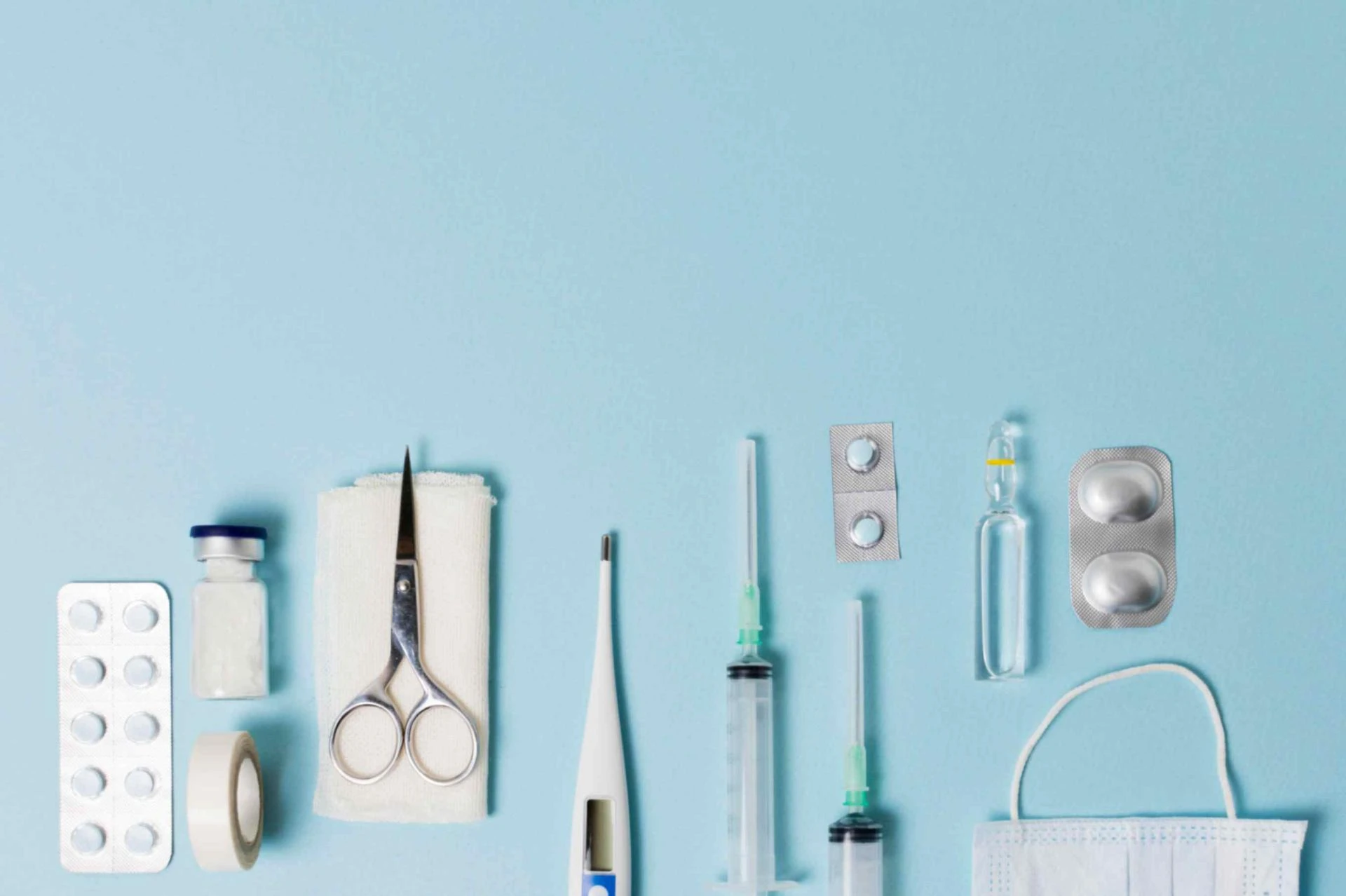

Sharps waste is one of the most hazardous types of clinical waste, requiring careful handling and disposal to prevent injury and the spread of infections. Sharps bins play a crucial role in ensuring the safe containment, transport, and disposal of needles, scalpels, and other sharp medical instruments. Proper use of sharps bins is essential for maintaining hygiene, protecting healthcare workers, and complying with waste disposal regulations.
Understanding Sharps Waste
Sharps waste includes any medical instruments that can puncture or cut the skin, such as:
- Needles and syringes
- Scalpels and lancets
- Broken glass vials
- Contaminated blades and sutures
- Infusion sets and IV catheters
Improper disposal of these items can lead to accidental injuries, increasing the risk of transmitting infections such as HIV, hepatitis B, and hepatitis C. The use of designated sharps bins minimises these risks and ensures that sharps waste is handled correctly.
Importance of Sharps Bins in Healthcare Settings
Prevention of Needlestick Injuries
Healthcare workers, waste handlers, and even patients are at risk of accidental needlestick injuries if sharps are not disposed of properly. Sharps bins provide a secure container for used needles and other sharp objects, reducing the likelihood of accidental contact.
Infection Control and Hygiene
Used sharps can carry infectious agents that pose significant health risks. Containing them in a sealed, puncture-resistant bin prevents contamination of the surrounding environment and reduces the spread of infections in healthcare facilities.
Regulatory Compliance
In Australia, healthcare facilities must adhere to strict guidelines for clinical waste disposal, including the proper use of sharps bins. Regulations require that sharps bins be correctly labelled, colour-coded, and disposed of by licensed waste management companies to ensure safety and compliance.
Types of Sharps Bins and Their Uses
Sharps bins come in various sizes and designs to cater to different healthcare settings. Common types include:
- Small, portable sharps bins: Used in home healthcare settings, such as diabetes care.
- Medium-sized sharps bins: Found in GP clinics, pharmacies, and dental practices.
- Large, high-capacity sharps bins: Used in hospitals and surgical centres where sharps waste is generated in large volumes.
These clinical waste bins are made from puncture-resistant materials and feature secure lids to prevent accidental spillage or tampering. Some are designed for single-use disposal, while others can be collected, emptied, and reused by certified waste management services.
Best Practices for Using Sharps Bins
Immediate Disposal
Used sharps should be disposed of immediately after use to prevent accidental injury. Never leave needles or blades exposed in open spaces.
Proper Placement
Sharps bins should be placed in easily accessible locations within healthcare facilities, ensuring that staff can dispose of used sharps safely and conveniently.
Do Not Overfill
Overfilling sharps bins increases the risk of needlestick injuries. Bins should be closed and replaced when they reach the designated fill line.
Secure Closure
Once full, sharps bins must be securely sealed before disposal to prevent leakage or spillage during transport.
Disposal by Licensed Waste Services
Sharps bins should only be collected and processed by authorised clinical waste disposal services to ensure compliance with health and safety regulations.
Environmental Considerations in Sharps Waste Disposal
While the primary focus of sharps bins is safety, efforts are being made to improve the environmental impact of sharps disposal. Some waste management providers offer eco-friendly alternatives, such as reusable sharps containers that can be sanitised and refilled. Additionally, proper segregation of sharps waste helps prevent unnecessary landfill disposal and supports responsible waste treatment practices.
Conclusion
Sharps bins are an essential component of safe clinical waste disposal, protecting healthcare workers, patients, and the public from the dangers associated with sharps waste. By following best practices and complying with regulatory standards, healthcare facilities can minimise the risks of needlestick injuries and infections while promoting hygiene and safety. As waste management evolves, innovations in sharps disposal will continue to enhance both safety and environmental sustainability.






















Sign in to leave a comment.