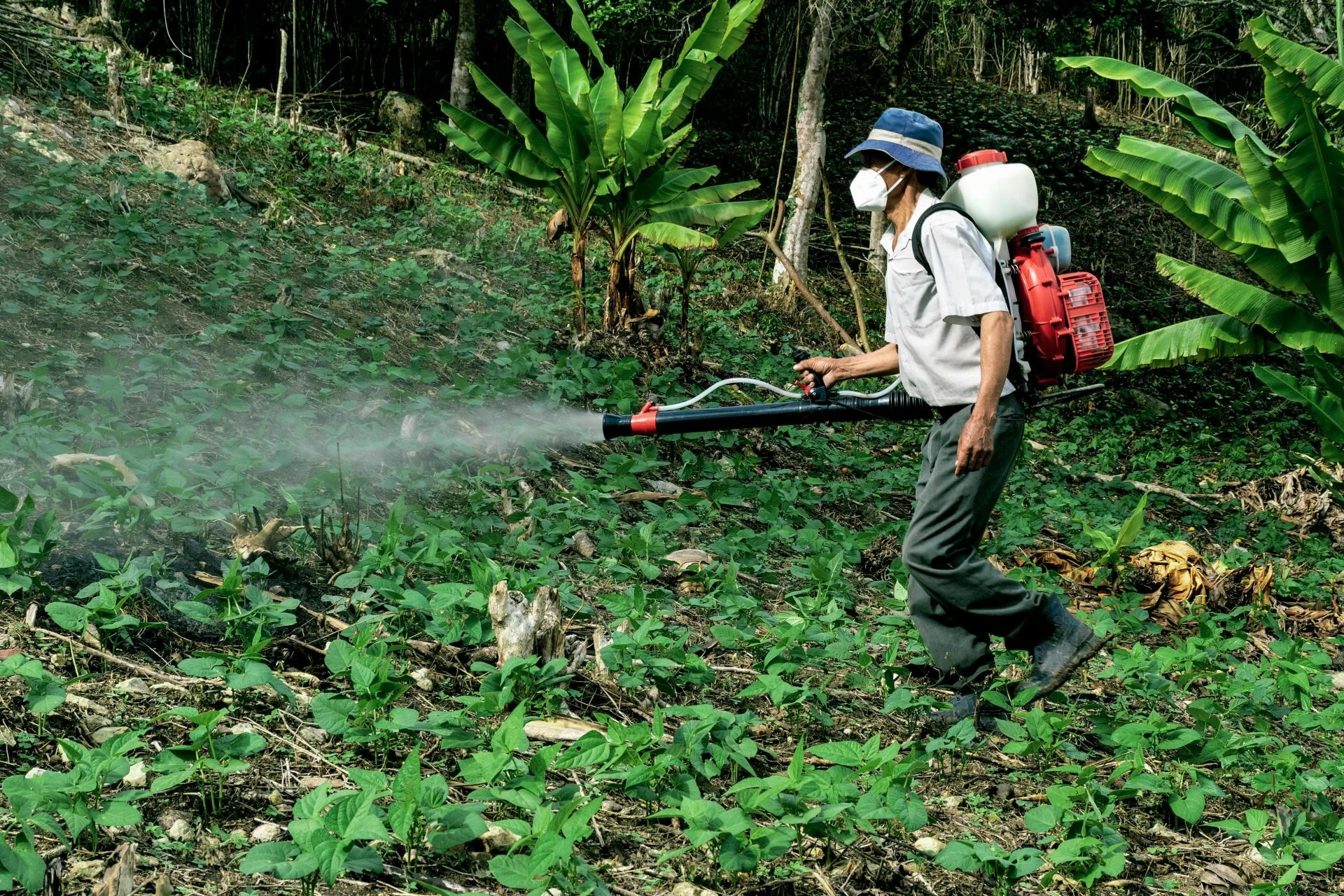

Across Australia, changing seasons and warmer conditions create ongoing pest pressure around residential properties. Ants become active in summer, rodents seek shelter during cooler months, and cockroaches thrive in humid conditions. While harsh chemical sprays may seem like a quick solution, long-term pest management begins with making your home less inviting in the first place.
Reducing pest attraction is about practical household habits, structural awareness and professional support when required. A considered approach can significantly lower pest activity while limiting reliance on chemical-heavy responses.
Understand What Attracts Pests
Most household pests are driven by three essentials: food, water and shelter.
Crumbs on kitchen floors, pet food bowls left overnight, leaking taps, blocked gutters and cluttered storage areas all provide ideal conditions. In Australian suburbs, especially in cities such as Sydney, Brisbane and Melbourne, high-density living and close neighbouring properties can also increase pest movement between homes.
Addressing these factors creates an environment that is far less appealing to insects and rodents.
Improve Food Storage and Waste Management
Kitchens are the most common hotspot for pest activity.
Dry goods such as rice, flour and cereals should be stored in sealed containers rather than open packaging. Pantry shelves need regular cleaning to remove food particles. Even small spills can attract ants and cockroaches.
Rubbish bins should have tight-fitting lids and be emptied regularly. Outdoor bins must remain closed and positioned away from entry points where possible. In warmer regions like Queensland and northern New South Wales, organic waste can attract flies and rodents quickly, so regular disposal is essential.
Pet feeding areas also require attention. Leftover food and water bowls should not remain outside overnight.
Improve Food Storage and Waste Management
Kitchens are the most common hotspot for pest activity.
Dry goods such as rice, flour and cereals should be stored in sealed containers rather than open packaging. Pantry shelves need regular cleaning to remove food particles. Even small spills can attract ants and cockroaches.
Rubbish bins should have tight-fitting lids and be emptied regularly. Outdoor bins must remain closed and positioned away from entry points where possible. In warmer regions like Queensland and northern New South Wales, organic waste can attract flies and rodents quickly, so regular disposal is essential.
Pet feeding areas also require attention. Leftover food and water bowls should not remain outside overnight.
Reduce Clutter and Storage Risks
Storage areas such as garages, sheds and roof voids can provide shelter for rodents and insects.
Cardboard boxes are particularly attractive to cockroaches and silverfish. Where possible, use sealed plastic storage containers instead. Items stored against walls should allow small gaps for airflow and visibility.
Firewood should be kept away from the home’s exterior walls. Timber stacked directly against the property increases the risk of termite activity.
Maintaining clear, organised spaces makes it easier to identify early signs of pest presence before infestations develop.
Seal Entry Points
Small gaps around doors, windows and utility penetrations can allow pests to enter.
Door seals and weather strips should be in good condition. Cracks in walls or around pipe entry points may require professional sealing. Flyscreens must fit securely without tears.
Rodents can squeeze through surprisingly small openings. Regular inspection of the property exterior can identify areas that require attention.
While sealing entry points reduces risk, it does not replace professional pest management, particularly in areas with high rodent pressure.
Maintain Outdoor Areas
Gardens and yards can influence indoor pest activity.
Overgrown vegetation touching the house provides easy access for ants and spiders. Trimming plants back from walls creates separation between greenery and the building structure.
Mulch should not be placed directly against foundations. In termite-prone regions of Australia, maintaining visible inspection zones around the property perimeter supports professional monitoring.
Outdoor lighting can attract flying insects, which may then enter the home. Position lights away from entry doors where possible.
Why Professional Support Matters
While good housekeeping practices reduce pest attraction, they do not address established infestations or hidden activity within walls and roof spaces.
Professional pest control services provide detailed inspections and targeted treatment plans based on the property type and local conditions. In Australia, termite management is especially important due to the aggressive nature of native species.
Routine inspections allow trained technicians to identify signs of termite activity, rodent nesting or cockroach harbourage early. Early detection reduces the likelihood of extensive structural damage.
Professional services also use controlled application methods designed for residential safety standards, rather than over-the-counter products that may be misapplied.
Local Conditions Across Australia
Pest pressures vary by region.
In tropical northern Australia, humidity increases cockroach and ant activity throughout much of the year. In southern states, rodents often move indoors during winter. Coastal homes face higher moisture exposure, increasing termite and silverfish risks.
Understanding local patterns allows for a more targeted approach to household management and professional servicing schedules.
Frequently Asked Questions
How often should my home be inspected for termites?
In termite-prone regions, annual inspections are widely advised. Some properties may require more frequent assessments depending on construction type and surrounding conditions.
Are natural cleaning products enough to manage pests?
Good hygiene reduces attraction, but established infestations usually require professional intervention. Household products rarely address hidden nesting areas.
Do pests return after treatment?
Pest activity can return over time, particularly in high-risk areas. Ongoing monitoring and routine servicing support long-term management.
Is professional pest control safe for families and pets?
Licensed technicians follow Australian regulations and use approved products according to strict guidelines. Safety instructions are provided following each service.
A Balanced Approach to Pest Management
Making your home less attractive to pests starts with practical habits: reducing food sources, managing moisture, sealing entry points and maintaining tidy storage areas. These steps reduce risk and support a healthier living environment.
However, Australian conditions mean pest pressure is ongoing. Professional inspections and tailored treatment plans remain an important part of responsible home maintenance.
By combining smart household management with experienced pest control support, homeowners can reduce reliance on harsh chemical use while maintaining confidence in their property’s condition.



















Sign in to leave a comment.