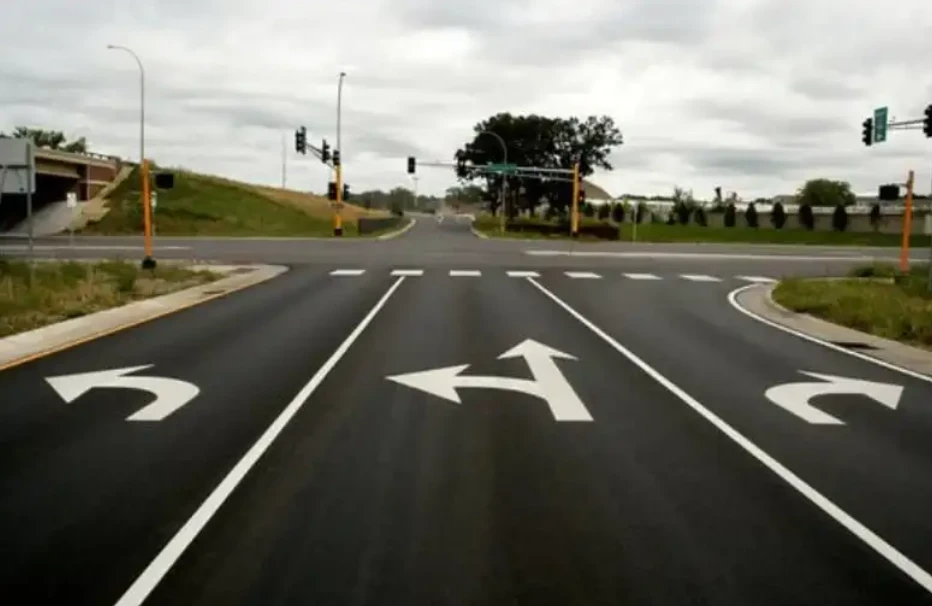

Highway safety has always been a priority for transportation authorities, engineers, and city planners. As traffic volume grows and road networks expand, the demand for durable, visible, and eco-friendly road marking solutions has surged. One innovation leading this transformation is thermoplastic materials, which are now widely used in highway road markings due to their resilience, high visibility, and cost efficiency.
In this article, we’ll explore how thermoplastic technology is changing the way we view road safety, the benefits it offers over traditional materials, and why it’s becoming the go-to choice for highways worldwide.
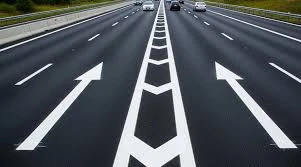
1. Understanding Thermoplastic Materials
Thermoplastic materials are a type of polymer that becomes soft and moldable when heated and hardens upon cooling. This unique property allows them to be applied in molten form to road surfaces, where they quickly set into a strong, wear-resistant layer.
In highway applications, these materials are combined with pigments, glass beads, and fillers to create bright, reflective, and skid-resistant markings. The result is a surface that not only guides drivers during the day but also maintains visibility in low-light or adverse weather conditions.
Key properties of thermoplastic materials include:
- Durability: Withstands heavy traffic and harsh weather.
- Reflectivity: Embedded glass beads improve nighttime visibility.
- Flexibility: Adheres well to various road surfaces.
- Eco-friendliness: Many formulations are lead-free and non-toxic.
2. The Evolution of Highway Road Markings
Road markings have come a long way from the days of simple paint lines that faded quickly under traffic and weather. Traditionally, solvent-based paints were the main option, but they lacked the longevity and reflectivity required for high-speed, high-volume highways.
The introduction of thermoplastic materials in the mid-20th century revolutionized this field. Unlike paint, thermoplastics bond physically and chemically with the road surface, creating a thicker, more durable line that can last several years without frequent maintenance. This longevity reduces costs and minimizes disruption to traffic flow.
3. Why Thermoplastic Materials Are Ideal for Highway Road Markings
Highways present unique challenges for road marking materials due to constant vehicle movement, high speeds, and exposure to extreme conditions. Thermoplastic markings meet these challenges effectively:
a) Superior Durability
Thermoplastic markings typically last 3–5 years depending on traffic volume, compared to 6–12 months for traditional paint. This long lifespan is a major advantage for highways where shutting down lanes for maintenance can cause significant delays.
b) Enhanced Visibility
The inclusion of retroreflective glass beads ensures markings are highly visible at night or in poor weather. The beads reflect headlights back to drivers, improving lane guidance and reducing accidents.
c) Skid Resistance
Safety isn’t just about visibility—road markings must also prevent skidding. Thermoplastic materials often include anti-skid additives, which provide additional friction, especially in wet conditions.
d) Environmental Benefits
Modern thermoplastic formulations are free from heavy metals like lead and are designed to minimize VOC (volatile organic compounds) emissions during application.
4. Application Process of Thermoplastic Highway Road Markings
The process of applying thermoplastic markings is both an art and a science. It requires precision, specialized equipment, and safety protocols.
Steps include:
- Surface Preparation: The road surface must be clean, dry, and free of debris.
- Heating the Material: Thermoplastic granules are heated to around 200°C (392°F) until molten.
- Application: The molten material is applied using screed, extrusion, or spray methods.
- Glass Bead Integration: Glass beads are dropped onto the surface before the thermoplastic sets, embedding them for reflectivity.
- Cooling and Setting: The material cools rapidly, allowing traffic to resume within minutes.
5. Types of Highway Road Markings Using Thermoplastic Materials
Thermoplastic materials can be used for a variety of highway markings, each serving a unique purpose:
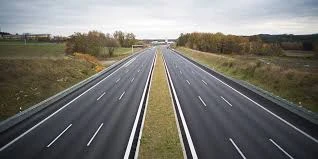
- Lane Lines: Separate traffic moving in the same or opposite directions.
- Edge Lines: Define the boundaries of the roadway.
- Center Lines: Indicate the separation of opposing traffic flows.
- Arrow Markings: Guide drivers for lane changes, turns, or exits.
- Pedestrian Crossings: Enhance pedestrian safety on highway exits and intersections.
- Symbols & Legends: Communicate speed limits, bus lanes, or bicycle lanes.
6. Advantages for Municipalities and Contractors
For road authorities and contractors, thermoplastic materials offer a combination of cost-effectiveness and operational efficiency. Longer-lasting markings mean reduced maintenance schedules, saving on labor, equipment costs, and lane closure times.
Additionally, thermoplastics can be applied year-round in various weather conditions (provided surfaces are dry), making them a versatile option for maintenance teams.
7. Global Adoption and Future Trends
Countries worldwide are adopting thermoplastic technology for highway road markings. In North America, Europe, and parts of Asia, this method has become standard for major roads and highways. Future innovations are focusing on:
- Smart Road Markings: Incorporating LED elements and sensors for real-time guidance.
- Eco-Enhanced Formulations: Reducing carbon footprint and improving recyclability.
- High-Contrast Markings: Enhancing visibility for autonomous vehicle sensors.
These advancements promise to make roads safer for both human drivers and the next generation of smart transportation systems.
8. Maintenance and Lifespan Considerations
While thermoplastic markings are highly durable, they are not maintenance-free. Heavy snow plowing, oil spills, and extreme temperatures can shorten their lifespan. Regular inspections and touch-ups are essential for maintaining their performance.
To maximize lifespan:
- Apply during optimal weather conditions.
- Ensure proper thickness during application.
- Use high-quality materials from trusted suppliers.
9. Safety Impact of Thermoplastic Highway Markings
Statistics show that clear, visible road markings reduce lane departure accidents and improve overall traffic flow. The bright, reflective quality of thermoplastic materials enhances driver awareness, helping reduce collisions on high-speed roads.
For example, studies conducted by transportation agencies indicate that reflective markings can improve nighttime lane recognition by up to 50%, especially for older drivers.
10. Why Choose Thermoplastic for Your Highway Projects
If you are involved in road construction, maintenance, or municipal planning, thermoplastic materials offer a proven solution for safer, more durable, and cost-effective highway markings. When combined with professional application and routine inspections, they ensure maximum safety for all road users.
FAQs
Q1: How long do thermoplastic highway markings last?
They typically last 3–5 years depending on traffic, climate, and surface preparation quality.
Q2: Are thermoplastic markings more expensive than paint?
While the initial cost is higher, the longer lifespan and reduced maintenance make them more cost-effective in the long run.
Q3: Can thermoplastic be applied on all road types?
Yes, but performance is best on asphalt and concrete surfaces that are clean and dry during application.
Q4: What makes thermoplastic markings reflective?
Glass beads embedded in the surface reflect light from vehicle headlights, improving nighttime visibility.
Q5: Are thermoplastic materials eco-friendly?
Modern formulations are free from harmful heavy metals and have low VOC emissions, making them safer for the environment.
Final Thoughts
The integration of thermoplastic materials into highway road markings has transformed road safety standards worldwide. By offering unmatched durability, visibility, and environmental benefits, thermoplastics have become the preferred choice for modern highways. As technology continues to evolve, we can expect even smarter and more sustainable marking solutions in the years ahead.

























Sign in to leave a comment.