

A robust online presence is crucial for businesses and individuals in today's digital landscape. An essential aspect of achieving this is Search Engine Optimization (SEO), which is pivotal in improving website visibility and ranking on SERPs. While SEO strategies encompass various elements, website development services form the foundation directly impacting a site's SEO performance. This blog explores the critical role of website development services in SEO and ranking, highlighting key areas where developers can optimize websites for search engines, enhance user experience, and ultimately drive organic traffic.
Understanding SEO and Its Importance
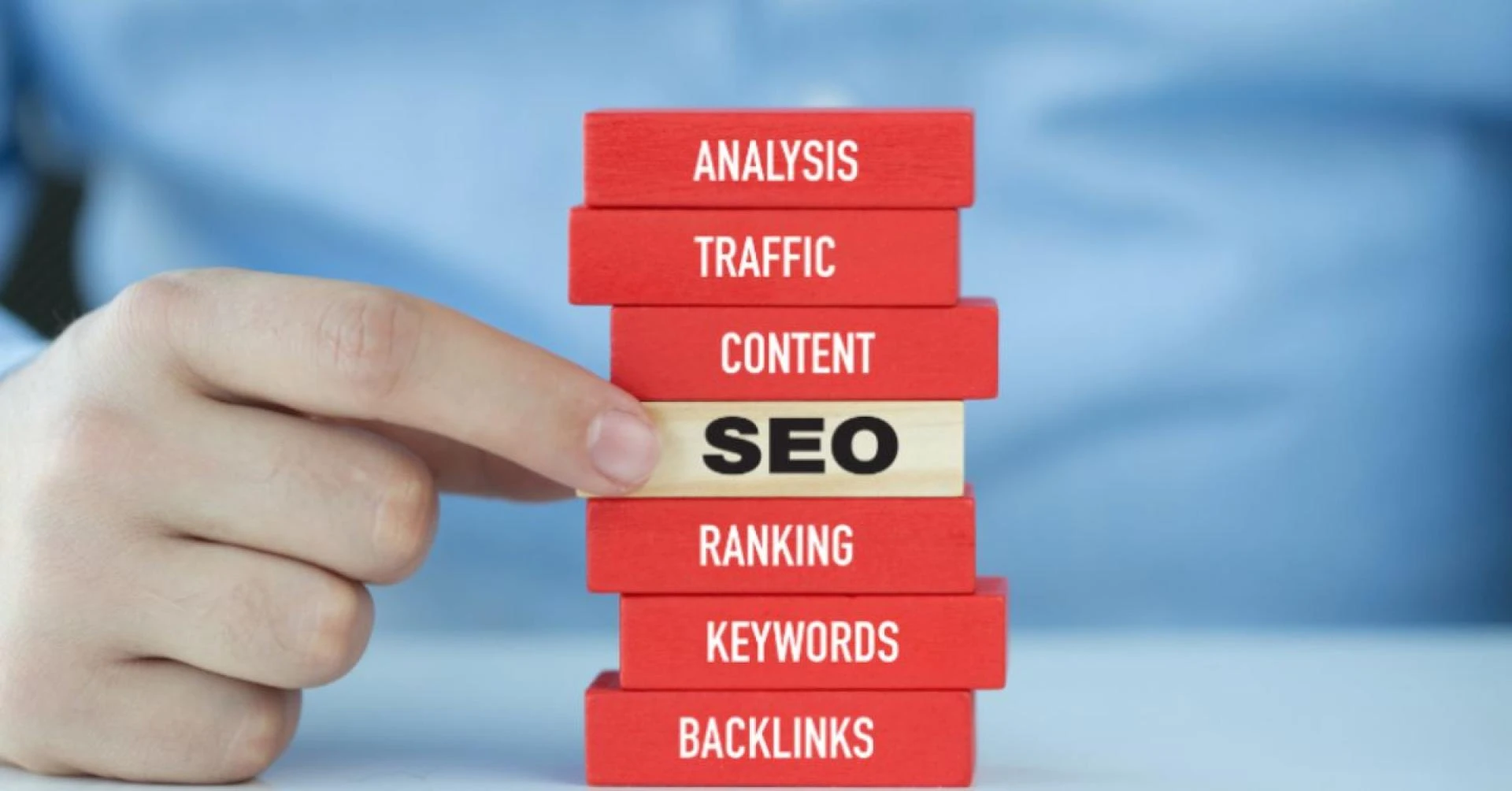
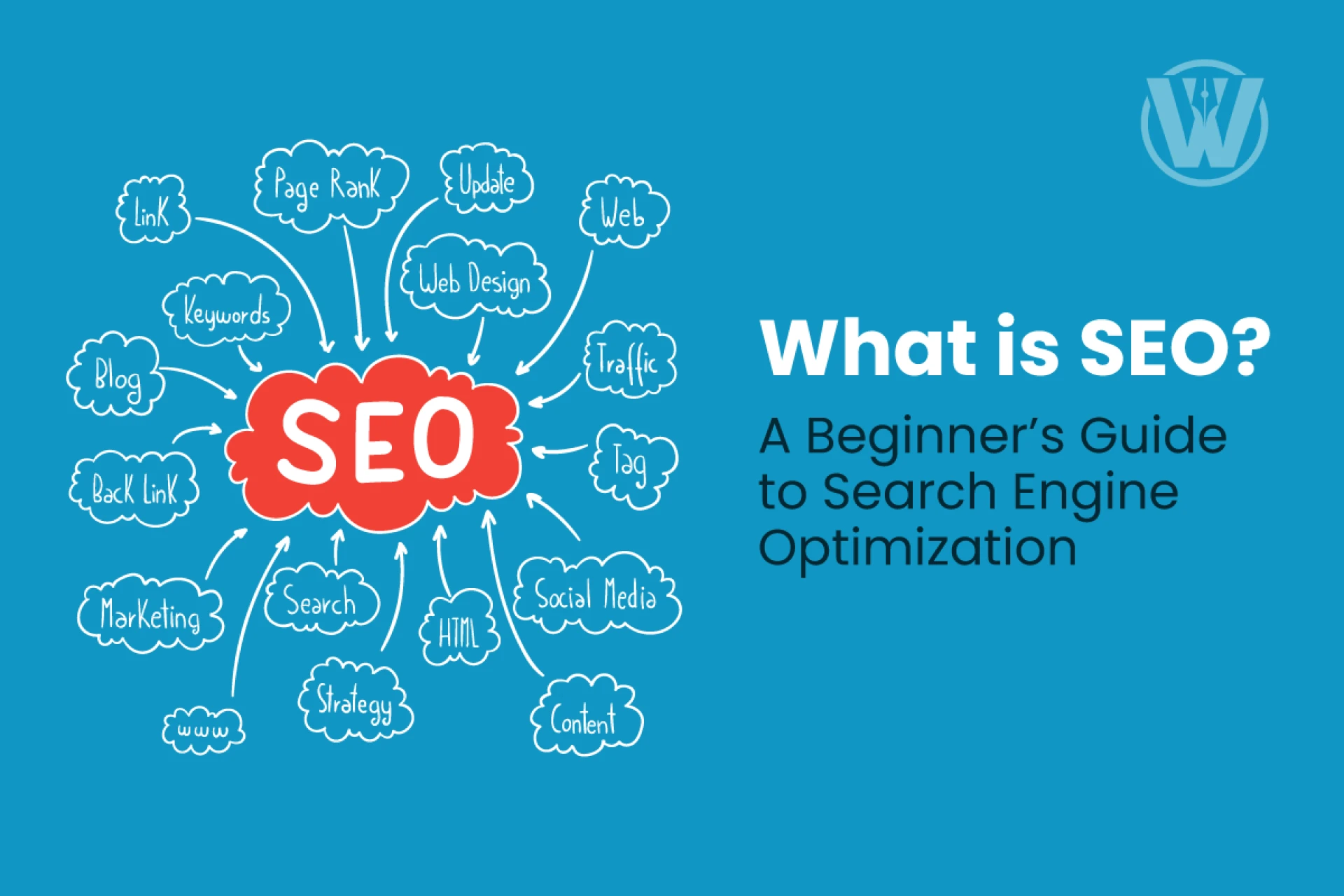
1.1 What is SEO? SEO refers to optimizing websites to improve their visibility and ranking on search engines, Bing, and Yahoo. It involves techniques and best practices that help search engines understand a website's content, relevance, and authority, presenting it as a valuable resource to users searching for related information.
In the ever-expanding digital world, where millions of websites compete for users' attention, search engines act as gatekeepers determining which websites most deserve top positions. SEO aims to align a website's content and structure with the criteria search engines use to rank pages. Businesses and individuals can enhance their online visibility and attract organic traffic, leading to higher conversion rates and sustained growth.
1.2 The Importance of SEO High-ranking positions on SERPs directly correlate to increased organic traffic, better brand visibility, and higher chances of conversion. Businesses implementing effective SEO strategies can tap into a significant source of potential customers actively seeking their products or services. Therefore, understanding and incorporating SEO is vital for long-term success in the digital landscape.
By investing in website development services prioritizing SEO, individuals and businesses can set themselves up for long-term growth and success online. The relationship between website development and SEO goes beyond surface-level design and aesthetics; it involves the fundamental aspects of a website's structure, technical functionality, and user experience.
Section 2: The Relationship Between Website Development and SEO
2.1 Website Structure and Navigation A well-structured website with straightforward navigation is user-friendly and search engine-friendly. Search engines use site structure to crawl and index pages effectively. Developers should create a logical hierarchy, implement proper internal linking, and optimize the URL structure to enhance user experience and search engine accessibility.
A well-structured website with intuitive navigation helps users find what they are looking for and facilitates search engine crawlers' understanding of the website's content and organization. By categorizing content, using relevant keywords in page URLs, and creating a logical flow, developers can ensure that search engines index the site accurately, leading to better ranking opportunities.
2.2 Mobile Responsiveness and SEO With most internet users accessing the web through mobile devices, mobile responsiveness is a crucial ranking factor. Website development services must ensure that websites adapt seamlessly to various screen sizes and devices, as Google and other search engines prioritize mobile-friendly sites in their rankings.
The rise of mobile internet usage has significantly influenced the way search engines evaluate and rank websites. Google's mobile-first indexing approach means that the mobile site is now the primary basis for determining its ranking on search engine result pages. Therefore, website development services must prioritize mobile responsiveness to provide a consistent and seamless user experience across all devices.
2.3 Page Loading Speed Website loading speed significantly impacts user experience and search engine optimization services. Slow-loading sites lead to higher bounce rates and decreased user satisfaction, affecting search engine rankings negatively. Website developers must optimize code, compress images, and leverage caching to improve page loading speed.
In today's fast-paced digital world, users have become increasingly impatient. Studies have shown that most users abandon websites that take more than a few seconds to load. Search engines also consider page loading speed when ranking sites, aiming to deliver the best user experience. Website development services must prioritize optimizing site performance to ensure quick loading times, reduce bounce rates, and improve SEO rankings.
Section 3: Technical SEO and Website Development Services
3.1 Website Indexing Ensuring search engines can easily crawl and index website content is fundamental to SEO success. Website development services play a vital role in creating sitemaps, implementing robots.txt files, and managing redirects to direct search engine bots effectively.
Website indexing is how search engines discover, analyze, and store information from a website. A website's content may not be included in search engine databases without proper indexing, leading to poor visibility and ranking. Developers must generate and submit sitemaps to search engines, which act as blueprints of the website's structure, guiding search engine crawlers to all relevant pages.
Additionally, using robots.txt files allows developers to control which parts of the website are accessible to search engine crawlers, preventing duplicate content issues and ensuring that the correct pages get indexed.
3.2 Schema Markup Implementation Implementing schema markup, such as JSON-LD, helps search engines understand the context and content of a webpage better. This can lead to rich snippets in search results, improving the website's visibility and click-through rates.
Schema markup provides additional context to search engines about the content on a webpage. It helps search engines present more informative and visually appealing results in search engine result pages, known as rich snippets. By implementing schema markup, website development services enable search engines to understand the page's purpose, which can lead to increased visibility and improved click-through rates.
Rich snippets, such as star ratings, reviews, event information, and recipe details, enhance a website's presence on SERPs and can attract more users to click on the link, potentially boosting organic traffic.
3.3 SSL Certificate and Website Security Search engines prioritize secure websites (HTTPS) over non-secure ones (HTTP). Website development services must integrate SSL certificates to encrypt data transmission, providing a secure browsing experience and a potential boost in SEO rankings.
Website security is paramount for protecting user data and maintaining trust and credibility with search engines and website visitors. Websites with HTTPS encryption provide a secure connection between the user's browser and the website's server, safeguarding sensitive information from potential cyber threats.
In addition to improving security, HTTPS has become a ranking signal for search engines. Google, for instance, has explicitly stated that HTTPS is a lightweight ranking factor. Websites with SSL(Secure Sockets Layer) certificates are more likely to rank higher in search results, making it essential for website development services to prioritize website security to impact SEO positively.
Section 4: Content Management and SEO
4.1 SEO-Friendly URLs Developers should create clean, descriptive, and keyword-rich URLs that convey the page's content to users and search engines.
URLs play a crucial role in SEO, providing clues to search engines and users about a page's content. Using descriptive and keyword-rich URLs can enhance a page's visibility on search engine result pages and make it more appealing to users. For instance, a URL like "https://www.digisoftsolution.com/digital-marketing-services" is more informative and SEO-friendly than "www.example.com/page123."
Website development services should create easily readable URLs, contain relevant keywords, and accurately represent the page's content. Additionally, they should avoid using dynamic parameters in URLs, as they can lead to duplicate content issues and confusion for search engine crawlers.
4.2 Content Organization and Structuring Effective content management through website development ensures content is well-organized, using appropriate headings, subheadings, and HTML tags. This enhances readability and helps search engines understand the content's hierarchy and relevance.
Organizing content clearly and logically benefits both users and search engines. Users can easily navigate the information they seek, while search engine crawlers can understand the page's structure and the relationship between different sections.
Website development services must ensure that HTML tags, such as H1 for headings, H2 for subheadings, and so on, are used correctly to indicate the hierarchical structure of the content. This gives search engines valuable signals about the page's leading and supporting topics, potentially influencing how the page ranks for relevant search queries.
4.3 Image Optimization Optimizing images for size, alt tags, and compression reduces page load time, improves user experience, and contributes to image search optimization.
Images are essential elements of any website, contributing to its visual appeal and overall user experience. However, large and uncompressed images can slow page loading times, leading to user frustration and negatively affecting SEO.
Website development services should optimize images by compressing them without compromising quality, which reduces file sizes and improves page loading speed. Additionally, using descriptive alt tags for images helps search engines understand their context, making them more likely to appear in image search results.
Section 5: User Experience and SEO
5.1 Responsive Design, A seamless user experience across all devices, facilitated by responsive ui UX design & development services, positively impacts user engagement, ultimately contributing to better SEO performance.
Responsive design ensures that a website adapts fluidly to various screen sizes and devices, providing users with an optimal viewing experience. With the growing number of mobile users, search engines have significantly emphasized mobile-friendliness as a ranking factor.
Websites that offer a seamlessly responsive experience regardless of the device users use are more likely to engage visitors and inspire them to stay longer. Longer dwell times and lower bounce rates signal to search engines that users find the content valuable, leading to potential improvements in SEO rankings.
5.2 Mobile-First Indexing With Google's mobile-first indexing, websites' mobile versions are now the primary basis for ranking. Website development services must prioritize mobile optimization to succeed in SEO.
Mobile-first indexing represents a significant shift in how search engines evaluate and rank websites. Google mainly use the mobile version of a website for ranking and indexing, making it essential for website development services to prioritize mobile optimization.
Developers should ensure that content, meta tags, structured data, and other crucial elements are present and accessible on the mobile version of the website. Failure to do so may lead to content not being indexed or considered for ranking, resulting in reduced visibility on search engine result pages.
Conclusion
Website development services are critical in shaping a website's SEO performance and ranking. By focusing on technical SEO aspects, content management, mobile optimization, and user experience, developers can create a strong foundation that enables businesses and individuals to thrive in the competitive online landscape. Embracing the symbiotic relationship between website development and SEO will help establish a solid online presence, driving organic traffic and achieving sustainable success in the digital realm.
As businesses and individuals seek to navigate the vast online landscape and stand out, website development services prioritizing SEO become increasingly indispensable. A well-optimized website can be a powerful marketing tool, attracting organic traffic and boosting conversion rates.
Organizations and individuals can take the necessary steps to build a solid online presence, connect with their target audience, and achieve their digital goals by understanding the crucial role of website development in SEO and ranking. In a constantly evolving digital world, staying ahead in SEO requires a proactive approach to website development, continuous optimization, and a commitment to providing users with exceptional experiences.























Sign in to leave a comment.