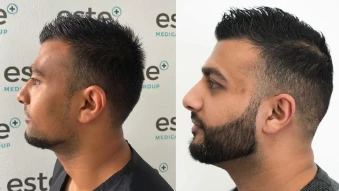

Beard transplants have gained immense popularity over the past decade, with men around the world seeking ways to enhance their facial hair or even grow a beard where there was none before. The desire for a fuller, thicker, and more defined beard has led to the rise of beard transplant procedures as an effective solution for many. But how exactly does a beard transplant work, and what is the science behind this process? In this article, we explore the procedure, its benefits, and the technology that makes it possible.
Understanding Beard Transplants
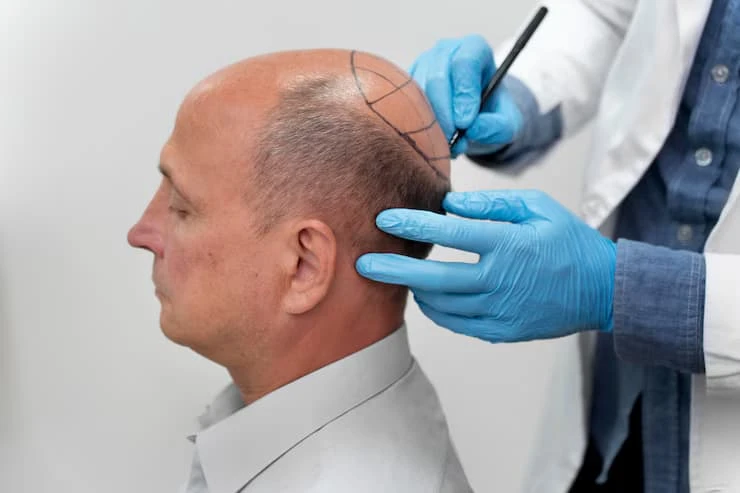
A beard transplant is a surgical procedure in which hair follicles are taken from one area of the body, typically the back or sides of the scalp, and transplanted into the facial region where the beard is thin or patchy. It is a method that allows individuals to enhance their facial hair and achieve a fuller and more natural-looking beard. The procedure is similar to a hair transplant, with the key difference being the area in which the hair follicles are placed.
The science behind a beard transplant is grounded in the principle of hair follicle transplantation. The hair follicles are extracted in a way that preserves their growth characteristics, ensuring that they continue to grow when transplanted into the beard area. This technique relies heavily on the concept of donor dominance, which means that the hair follicles from the donor area will maintain their characteristics, such as texture and growth rate, even when transplanted into a different region.
The Process of a Beard Transplant
The beard transplant procedure typically takes between 4 to 8 hours, depending on the complexity of the case and the amount of hair being transplanted. The process is minimally invasive and is done under local anesthesia to ensure that the patient does not experience any discomfort during the procedure.
- Consultation and Assessment: Before the procedure begins, a thorough consultation with the surgeon is necessary. During this consultation, the surgeon will assess the patient's facial hair growth patterns, discuss the patient's goals, and determine the most suitable donor area for hair extraction.
- Hair Follicle Extraction: There are two main methods of hair follicle extraction: Follicular Unit Transplantation (FUT) and Follicular Unit Extraction (FUE).
- FUT: In this technique, a strip of scalp tissue is removed from the donor area, and individual hair follicles are then extracted from this strip. The incision is closed with stitches, leaving a linear scar that is typically hidden by the surrounding hair.
- FUE: The more popular and advanced method, FUE involves the extraction of individual hair follicles directly from the donor area using a small, circular punch. This technique leaves no linear scar and is often favored for its minimally invasive nature and faster recovery time.
- Preparation of Hair Follicles: Once the hair follicles have been extracted, they are carefully prepared for transplantation. This involves sorting the follicles based on their size and quality to ensure that the healthiest and most viable follicles are transplanted into the beard area.
- Transplantation: The surgeon then creates tiny incisions in the recipient area, where the hair follicles will be implanted. The follicles are placed strategically to mimic natural beard growth, ensuring that the transplanted hairs blend seamlessly with the existing facial hair.
- Recovery and Aftercare: After the procedure, the transplanted hair follicles go through a shedding phase within the first few weeks. This is normal and is followed by a period of regrowth. Patients are advised to follow a strict aftercare regimen, which may include applying prescribed medications, avoiding direct sunlight, and refraining from touching or scratching the transplanted area.
The Science Behind Hair Growth
The success of a beard transplant relies on the principle of how hair follicles grow and regenerate. Hair growth occurs in cycles, with each hair follicle going through phases of growth (anagen), rest (telogen), and shedding (catagen). When a hair follicle is transplanted, it initially goes into a dormant phase before starting to grow again in its new location.
The hair follicles used in a beard transplant are typically taken from areas of the scalp where the hair is genetically programmed to grow for a lifetime. This is why the results of the transplant are usually permanent, as these follicles maintain their growth characteristics. The transplanted hair will continue to grow and behave like the hair from the donor area, ensuring that the beard grows naturally over time.
The density and growth rate of the transplanted hair depend on various factors, including the quality of the donor hair, the surgeon's skill, and the individual’s overall health. While some shedding of transplanted hairs is normal, the majority of the follicles will begin to produce new hair after a few months, with full results typically visible within 6 to 12 months.
Benefits of a Beard Transplant
A beard transplant offers several advantages for individuals who are dissatisfied with their facial hair growth. Some of the key benefits include:
- Permanent Results: One of the most significant advantages of a beard transplant is the permanence of the results. Once the transplanted hair follicles start growing, they will continue to do so for a lifetime, unlike temporary solutions like beard growth serums or implants.
- Natural-Looking Results: The technique of strategically placing the transplanted follicles ensures that the beard appears natural and blends seamlessly with the existing facial hair. The surgeon takes into account the patient's natural hairline, growth patterns, and facial structure to achieve the best results.
- Boost in Confidence: Many men who struggle with patchy or sparse beards often experience a lack of confidence. A successful beard transplant can restore self-esteem, allowing individuals to feel more confident and comfortable with their appearance.
- Minimal Scarring: Especially with the FUE method, the scarring from a beard transplant is minimal and not easily noticeable. The tiny, dot-like scars from the follicle extractions usually fade over time, making the procedure virtually scar-free.
- Improved Facial Aesthetics: A well-defined, full beard can enhance the contours of the face, improve the overall facial aesthetic, and create a more masculine appearance. For many, a beard transplant helps to achieve the look they have always desired.
Factors Affecting the Success of a Beard Transplant
While beard transplants have a high success rate, several factors can influence the outcome of the procedure. These include:
- Age: Younger individuals may experience faster growth and better results than older patients, as hair growth tends to slow down with age.
- Overall Health: Good health plays a critical role in the success of the procedure. Individuals with certain medical conditions, such as diabetes, may experience slower healing or complications during recovery.
- Donor Hair Quality: The quality and quantity of hair in the donor area are crucial in determining the success of the transplant. Thick, strong hair follicles typically yield the best results.
- Surgeon's Expertise: The skill of the surgeon is a major factor in the success of a beard transplant. A skilled surgeon will ensure that the follicles are extracted and placed in a manner that results in a natural, aesthetically pleasing beard.
Conclusion
Beard transplants have revolutionized the way men approach facial hair growth, offering a permanent, natural solution for those who struggle with patchy or absent beards. The procedure, grounded in the principles of hair follicle transplantation, allows individuals to achieve fuller and more defined facial hair with minimal scarring and lasting results.
For those considering a beard transplant, it is important to consult with a qualified surgeon who can provide a personalized assessment and help determine the best approach for achieving the desired outcome. With careful consideration and proper aftercare, a beard transplant can lead to a transformation that boosts confidence and enhances one’s appearance.
If you're looking to explore beard transplant options, get in touch with Este Medical Group today for a consultation. Take the first step toward a fuller beard and a renewed sense of confidence!





















Sign in to leave a comment.