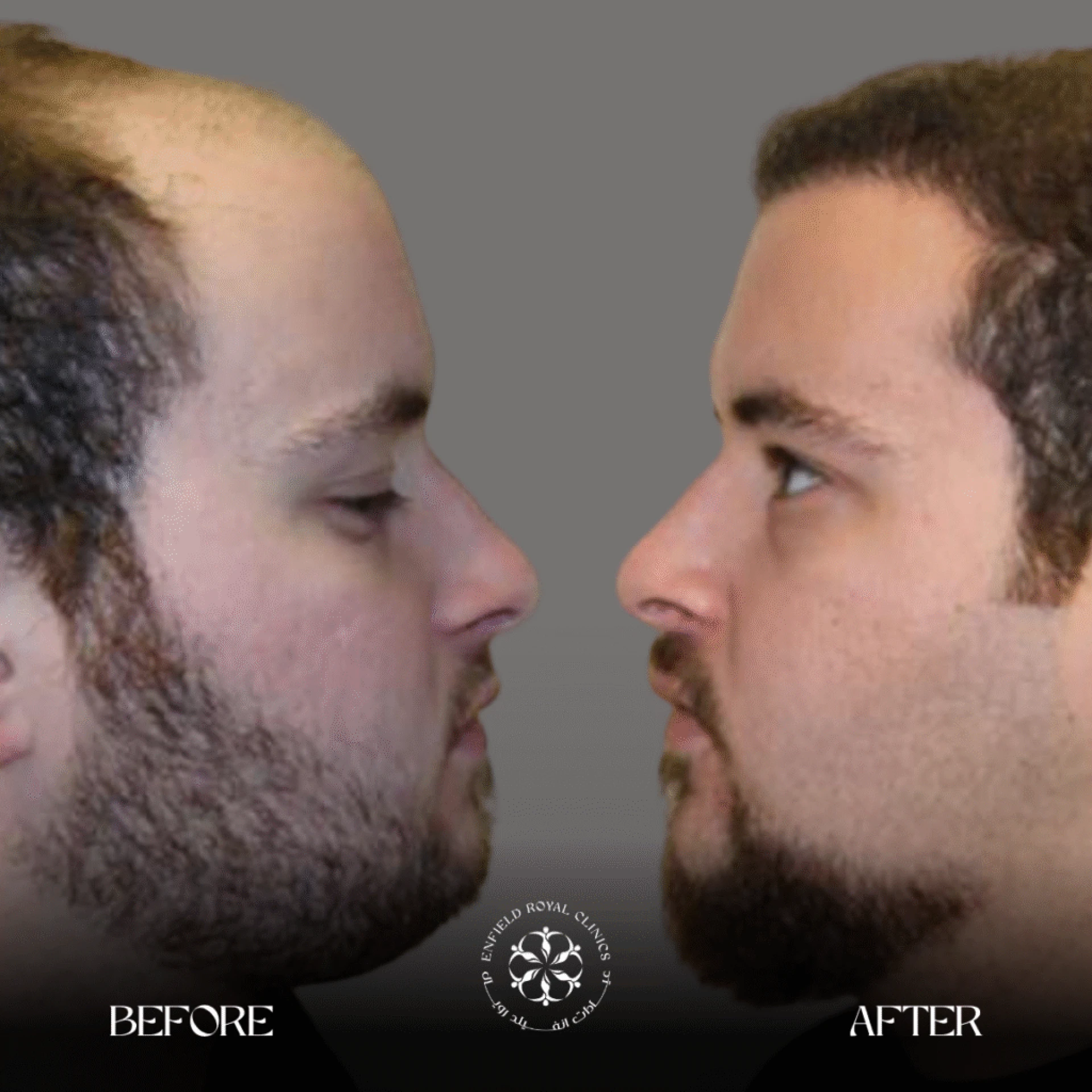

Hair loss is a common concern for both men and women, often impacting confidence and quality of life. While many temporary treatments promise results, hair transplant surgery stands apart as a science-driven, permanent solution. Backed by medical research and advanced technology, modern hair transplants offer natural, long-lasting hair restoration.
Understanding the Science Behind Hair Loss
Hair loss is primarily influenced by genetics, hormones, and follicle sensitivity. In conditions like pattern hair loss, certain hair follicles gradually shrink and stop producing hair, while follicles in other areas remain resistant.
Hair transplant surgery is based on this scientific principle—relocating healthy, resistant follicles to areas affected by hair loss.
How Hair Transplants Achieve Permanent Results
The key to permanent hair growth lies in the donor hair. Hair follicles taken from the back or sides of the scalp are genetically resistant to hair loss. Once transplanted, these follicles continue to grow hair naturally in their new location.
Because the follicles retain their original characteristics, the results are designed to be long-lasting.
Advanced Hair Transplant Techniques
Modern hair restoration uses precise, research-backed techniques:
Follicular Unit Extraction (FUE)
- Individual follicles are extracted using specialized instruments
- Minimal scarring and quicker recovery
- Ideal for natural hairline design
Follicular Unit Transplantation (FUT)
- Allows transplantation of a higher number of grafts
- Efficient donor area use
- Recommended in selected cases
The technique chosen depends on hair loss severity, donor area strength, and patient goals.
Precision and Technology in Hair Restoration
Advanced hair transplant surgery relies on:
- Microscopic graft handling
- Strategic follicle placement
- Accurate angle and direction control
- Density planning for natural results
These scientific methods ensure transplanted hair blends seamlessly with existing hair.
The Growth Timeline: What Science Predicts
After transplantation, follicles enter a temporary resting phase. New hair growth typically begins within 3–4 months, followed by gradual thickening over time. According to clinical experience, full results are usually visible within 9–12 months.
This predictable growth cycle is a key reason hair transplants are considered reliable and permanent.
A Personalized, Evidence-Based Approach
Science-driven hair restoration is not one-size-fits-all. Treatment plans are tailored based on:
- Hair loss pattern and progression
- Hair density and texture
- Age and future hair loss risk
- Long-term restoration goals
Personalized planning ensures sustainable, natural outcomes.
Safety and Medical Supervision
Hair transplant surgery is a medical procedure and should always be performed by qualified professionals. Proper assessment, sterile techniques, and post-procedure care are essential for safe and effective results.
Conclusion
Hair transplant surgery offers a science-driven path to permanent hair growth by combining medical knowledge, advanced technology, and personalized care. By addressing hair loss at the follicular level, modern hair transplants deliver natural, lasting results and renewed confidence.

































Sign in to leave a comment.