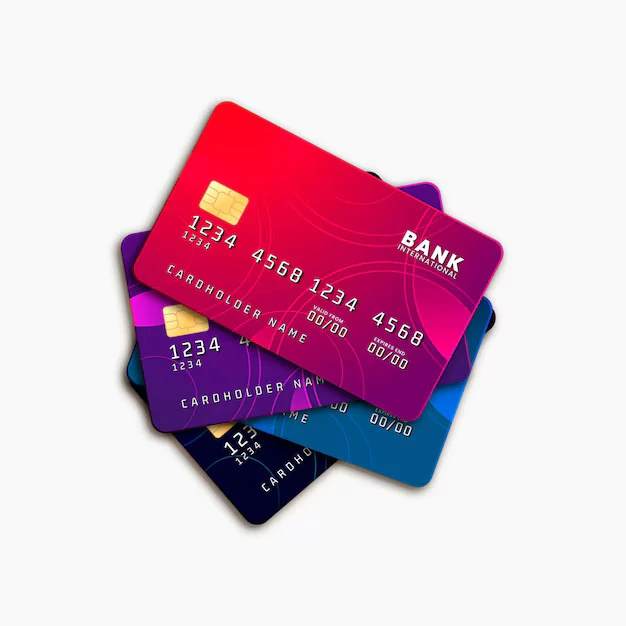

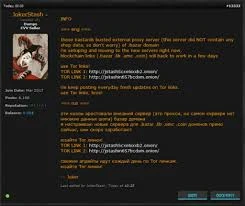
Feshop, a well-known darknet marketplace, was notorious for offering a wide variety of illicit digital products that cybercriminals used for illegal activities. These products ranged from stolen financial data to hacking tools, making it a hub for online fraud, identity theft, and more.
In this blog, we’ll take a closer look at the digital goods that were frequently sold on feshop, their uses, and the potential risks they posed to both buyers and victims.
🕵️♂️ What Are Digital Goods?
Digital goods refer to any products or services that exist in a digital format and are often delivered electronically. In the context of Feshop and the dark web, digital goods typically refer to illicitly obtained data, software tools, and services used for cybercrime.
These goods are particularly dangerous because they can be distributed easily online, require little effort to replicate, and can be used to commit various types of fraud and attacks. For cybercriminals, digital goods are an essential part of their toolkit.
🏷️ Types of Digital Goods Sold on Feshop
Here are some of the most common digital goods that were sold on Feshop:
1. Stolen Financial Data (Fullz & CVV)
As one of the primary commodities on Feshop, stolen credit card data (including Fullz and CVV), was readily available to anyone willing to pay. Fullz packages, as discussed earlier, contain a complete set of personal and financial information that can be used for identity theft or fraudulent transactions. CVVs are typically used for card-not-present transactions like online shopping.
Key Features:
- Fullz: Complete identity profiles, including personal information and credit card data.
- CVV: Credit card numbers, expiration dates, and security codes, typically used for online fraud.
Uses:
- Online purchases and carding activities.
- Identity theft and account takeovers.
2. Hacking Tools & Malware
Feshop was also a marketplace for various hacking tools and malware that cybercriminals used for unauthorized access to systems and data. These tools were often marketed as “crimeware” packages and could be used by both novice and advanced cybercriminals to compromise victims' systems.
Key Features:
- RATs (Remote Access Trojans): Software that allows an attacker to take control of a victim's computer remotely.
- Keyloggers: Programs designed to record keystrokes and capture sensitive data like usernames, passwords, and credit card information.
- Botnets: A collection of compromised computers used for launching DDoS (Distributed Denial of Service) attacks, sending spam, or stealing personal data.
- Exploit Kits: Bundles of software designed to exploit vulnerabilities in systems or websites.
Uses:
- Data breaches and hacking into personal or corporate systems.
- Spreading malware and infections across large networks.
3. Phishing Kits
Phishing kits were another type of digital product offered on Feshop. These are pre-made packages that help criminals set up fake websites that mimic legitimate sites (like banks or e-commerce platforms). The goal is to trick users into providing sensitive information like usernames, passwords, or credit card details.
Key Features:
- Website templates that replicate popular sites.
- Email templates designed to lure victims into clicking on malicious links.
- Server-side tools to collect the stolen data.
Uses:
- Stealing login credentials and personal data from unsuspecting victims.
- Setting up fake sites to trick users into entering their information.
4. Software Cracking Tools
Feshop also hosted a variety of cracking tools that allowed cybercriminals to bypass the activation or licensing systems of commercial software. These tools could be used to generate cracks or keygens to allow the use of software without purchasing a legitimate license.
Key Features:
- Crack software: Bypass restrictions on software like Microsoft Office, Adobe Creative Suite, or games.
- Keygens: Software used to generate valid product keys to activate pirated software.
Uses:
- Pirating software or breaking licensing systems.
- Illegal distribution of cracked software to evade licensing fees.
5. Stolen Accounts & Credentials
Along with financial data, Feshop buyers could purchase stolen accounts and credentials from a variety of online services, including social media, email, and gaming platforms. These accounts could be used for various illegal purposes, such as social engineering, scamming others, or gaining access to premium content without paying.
Key Features:
- Stolen login credentials for popular websites like Facebook, Instagram, Gmail, or Netflix.
- Credentials for gaming platforms like Steam or Xbox Live.
Uses:
- Impersonating victims for fraudulent activities.
- Account takeovers and identity theft.
6. Fake Documents & ID Templates
Feshop also offered forged documents and identity templates, which could be used for a variety of fraudulent purposes. Buyers could use these templates to create fake identification cards, passports, or driver’s licenses.
Key Features:
- Fake IDs and driver’s licenses.
- Passport and visa templates.
Uses:
- Creating fake identities for money laundering, illegal travel, or smuggling.
- Evading law enforcement or committing other fraudulent activities.
🛑 The Risks of Digital Goods
While digital goods might seem convenient or profitable to cybercriminals, there are significant risks associated with purchasing and using these products on platforms like Feshop:
1. Legal Consequences
Buying or selling digital goods related to cybercrime is illegal and punishable by law. Engaging in activities like carding, identity theft, or distributing malware can result in serious criminal charges, including fines and imprisonment.
2. Cybersecurity Risks
If you are buying digital goods (like malware or cracking tools) from darknet marketplaces, there’s a high risk that your device could be infected or compromised. Many products on platforms like Feshop come with malicious code that can infect your computer and put your personal information in danger.
3. Fraudulent Transactions
Buyers on Feshop face the constant risk of being scammed. Many sellers on darknet markets are fraudulent, offering counterfeit goods, or taking payment without ever delivering the product. Even if the transaction is completed, there's no guarantee that the purchased digital goods will work as promised.
🛡️ How to Protect Yourself from Digital Goods Fraud
- Avoid the Darknet: Never engage in buying or selling digital goods on illegal platforms like Feshop. It’s illegal and dangerous.
- Use Strong Cybersecurity Practices: If you’re concerned about your personal data, ensure that you use strong, unique passwords and enable two-factor authentication (2FA) for your online accounts.
- Monitor Your Financial Accounts: Regularly check your bank statements for unauthorized transactions and report any suspicious activity immediately.
- Educate Yourself on Cybercrime: Stay informed about common cybercrimes to recognize and avoid falling victim to scams or fraud.
Final Thoughts
Feshop was a hub for various illicit digital goods that empowered cybercriminals to commit a wide range of fraudulent activities and hacks. Whether it was stolen financial data, malware, phishing kits, or cracked software, Feshop facilitated the growth of online criminal activity. However, engaging with these illegal markets comes with serious consequences and significant risks.



























Sign in to leave a comment.