
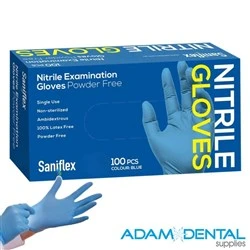
Nitrile is generally a superior disposable glove material across many industries. This article explores the significance of nitrile gloves in dentistry.
In the realm of dentistry, maintaining stringent hygiene and ensuring patient safety is paramount. Among the myriad tools and materials used in dental practices, nitrile gloves stand out as an essential component. These gloves have become the sterile and safe friend to all dentists, offering a blend of protection, comfort, and reliability that is unmatched. This article delves into the significance of nitrile gloves in dentistry, exploring their advantages and the crucial role they play in daily dental operations.
Unmatched Protection and Sterility
One of the foremost reasons why nitrile gloves are favoured in dental practices is their superior protective qualities. Nitrile, a synthetic rubber compound, is inherently resistant to a wide range of chemicals, punctures, and tears. This resilience is crucial in a dental setting, where professionals are frequently exposed to sharp instruments and various chemicals.
Sterility is another critical aspect. Nitrile gloves are available in sterile versions, which are essential for surgical procedures and environments requiring the highest levels of hygiene. These gloves undergo rigorous sterilisation processes, ensuring that they are free from bacteria, viruses, and other contaminants. This level of sterility is vital for preventing infections and ensuring patient safety during dental procedures.
Allergy-Free Alternative
Latex gloves were once the standard in many medical and dental practices. However, latex allergies have become a significant concern, affecting both patients and healthcare providers. Nitrile gloves offer a hypoallergenic alternative, reducing the risk of allergic reactions. This feature makes them an inclusive choice, ensuring that all patients and staff can be protected without the fear of adverse reactions.
Enhanced Comfort and Dexterity
For dentists, the ability to perform delicate procedures with precision is essential. Nitrile gloves are designed to provide a snug fit, mimicking the natural contour of the hand. This snug fit ensures that dentists can maintain high levels of dexterity and tactile sensitivity, crucial for performing intricate dental work.
The material’s flexibility allows for ease of movement, reducing hand fatigue during prolonged use. Moreover, the gloves\' textured surface enhances grip, providing dentists with the confidence to handle instruments securely and accurately.
Durability and Cost-Effectiveness
Nitrile gloves are known for their durability, often lasting longer than their latex or vinyl counterparts. This durability translates to fewer glove changes, reducing the overall consumption and cost. For dental practices, this cost-effectiveness is a significant advantage, allowing for better allocation of resources without compromising on safety and quality.
Versatility in Use
The versatility of nitrile gloves extends beyond their use in dental practices. They are suitable for a wide range of tasks, from routine examinations to complex surgical procedures. Their chemical resistance makes them ideal for handling various dental materials and substances, ensuring that the gloves remain intact and protective in diverse situations.
Environmental Considerations
While the primary focus in a dental setting is patient safety and hygiene, environmental impact is also an important consideration. Many manufacturers are now producing nitrile gloves that are more environmentally friendly, with options for biodegradable and recyclable materials. This shift towards sustainable practices reflects a broader commitment to reducing the ecological footprint of medical and dental practices.
Summing up, nitrile gloves have indeed become the sterile and safe friend to all dentists, providing unparalleled protection, comfort, and reliability. Their hypoallergenic nature, combined with superior durability and dexterity, makes them an indispensable tool in the dental profession.
































Sign in to leave a comment.