When Pain Hides Behind Silence
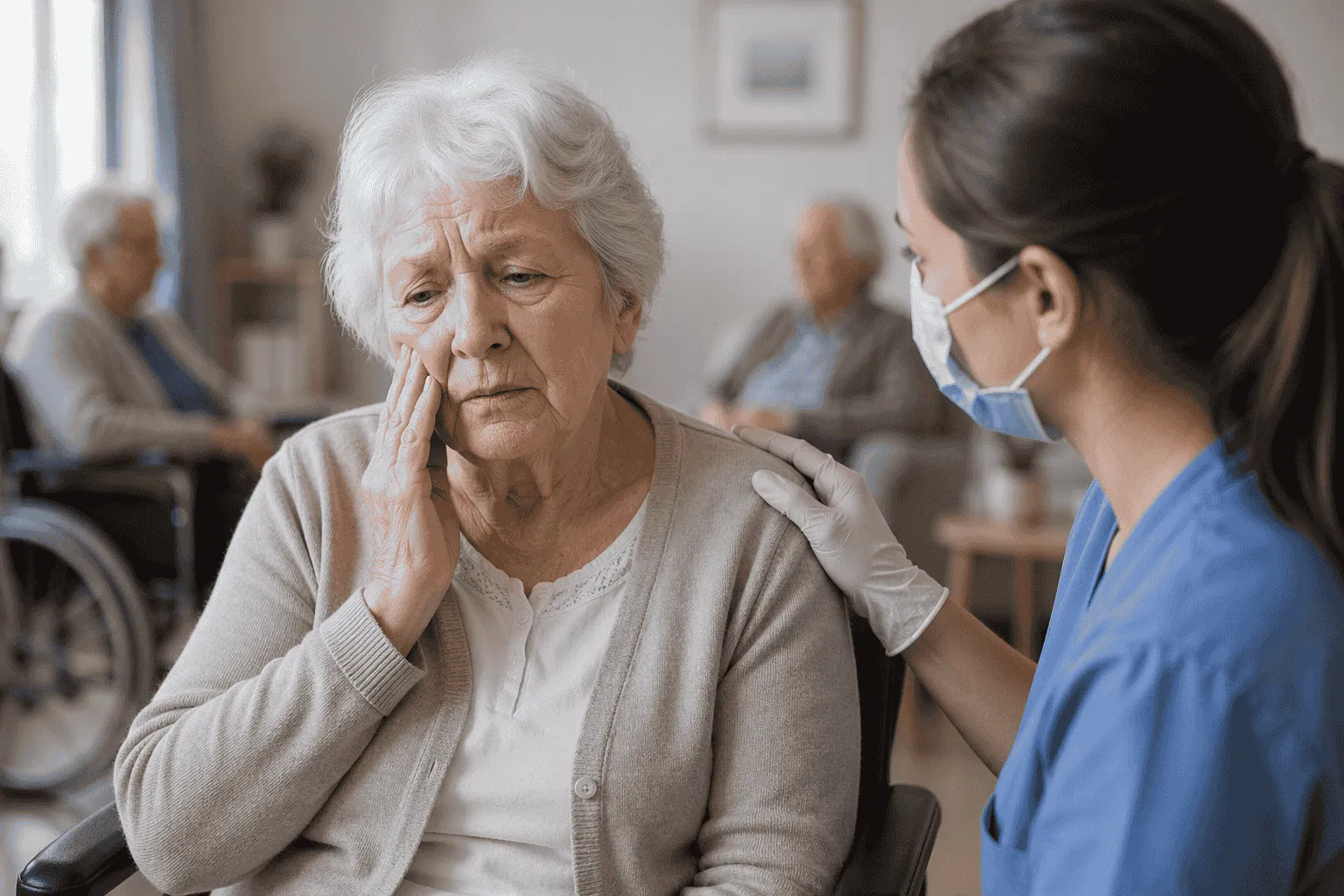
She had stopped eating again.
The caregiver thought it was a mood shift. The nurse adjusted medications. The family called, worried but unsure what to ask. When I gently looked inside her mouth, I saw the truth. Inflamed gums. Broken teeth. Pain that had been building for weeks.
I have seen this more times than I can count. In nursing homes. In private homes. Even in well-managed facilities.
We are missing something. And it is costing our seniors their comfort, their nutrition, and sometimes their lives.
In 2026, with people living longer and managing more chronic conditions, oral care can no longer sit on the sidelines. This is where a mobile dental speaker steps in, not as a luxury, but as a necessity.
The Gap We Keep Overlooking in Daily Care
Why oral care keeps getting missed
Caregivers are some of the most dedicated people I know. They show up every day. They manage medications, mobility, hygiene, and emotional needs.
But many have never received formal geriatric oral care education. No one showed them how to care for a resistant patient. No one explained how dry mouth from medications increases decay.
So oral care becomes rushed. Or skipped. Or misunderstood.
And that small gap turns into a big problem.
What the numbers are telling us
The data confirms what we are seeing on the ground.
According to the Centers for Disease Control and Prevention, nearly 1 in 5 adults aged 65 and older have untreated tooth decay. Around 70 percent are living with gum disease.
The World Health Organization reports that oral diseases affect nearly 3.5 billion people worldwide.
These are not isolated cases. This is widespread.
When oral health declines, the entire body feels it. Infections increase. Eating becomes difficult. Confidence drops. Families notice changes, but they often do not know the cause.
What this looks like in real life
A resident refuses meals. Staff think it is behavioral.
A loved one becomes withdrawn. Families assume it is aging or dementia.
A caregiver feels frustrated because nothing seems to work.
Then we look closer. And we find pain. Infection. Discomfort that no one recognized.
This is the silent crisis. And it is happening right in front of us.
Why General Training Is No Longer Enough
Caregiving has changed, but training has not.
Years ago, oral care was simpler. Today, seniors keep their natural teeth longer. They take multiple medications. Many live with conditions like dementia or Parkinson’s.
This changes everything.
A basic approach does not work anymore. Caregivers need deeper understanding. They need tools that match real situations.
That is where a geriatric oral health speaker becomes essential.
Understanding the complexity of aging mouths
Let me break this down simply.
Dry mouth means less saliva. Saliva protects teeth. Without it, decay spreads faster.
Gum disease means inflammation. Inflammation can spread bacteria into the bloodstream.
Aspiration pneumonia, a serious lung infection, can happen when bacteria from the mouth travel into the lungs. This is especially common in older adults.
These are not small issues. They connect directly to overall health.
A trained geriatric oral health speaker helps caregivers understand these risks in plain language, so they can act with confidence.
The shift toward specialized education
I am seeing more organizations take this seriously. They are investing in geriatric oral care education. They are bringing in a mobile dental speaker to train their teams.
And the difference is clear.
Caregivers feel more prepared. Residents experience less pain. Families feel more at ease.
When education improves, care improves. That is the connection.
How a Mobile Dental Speaker Creates Real Change
Education that meets caregivers where they are
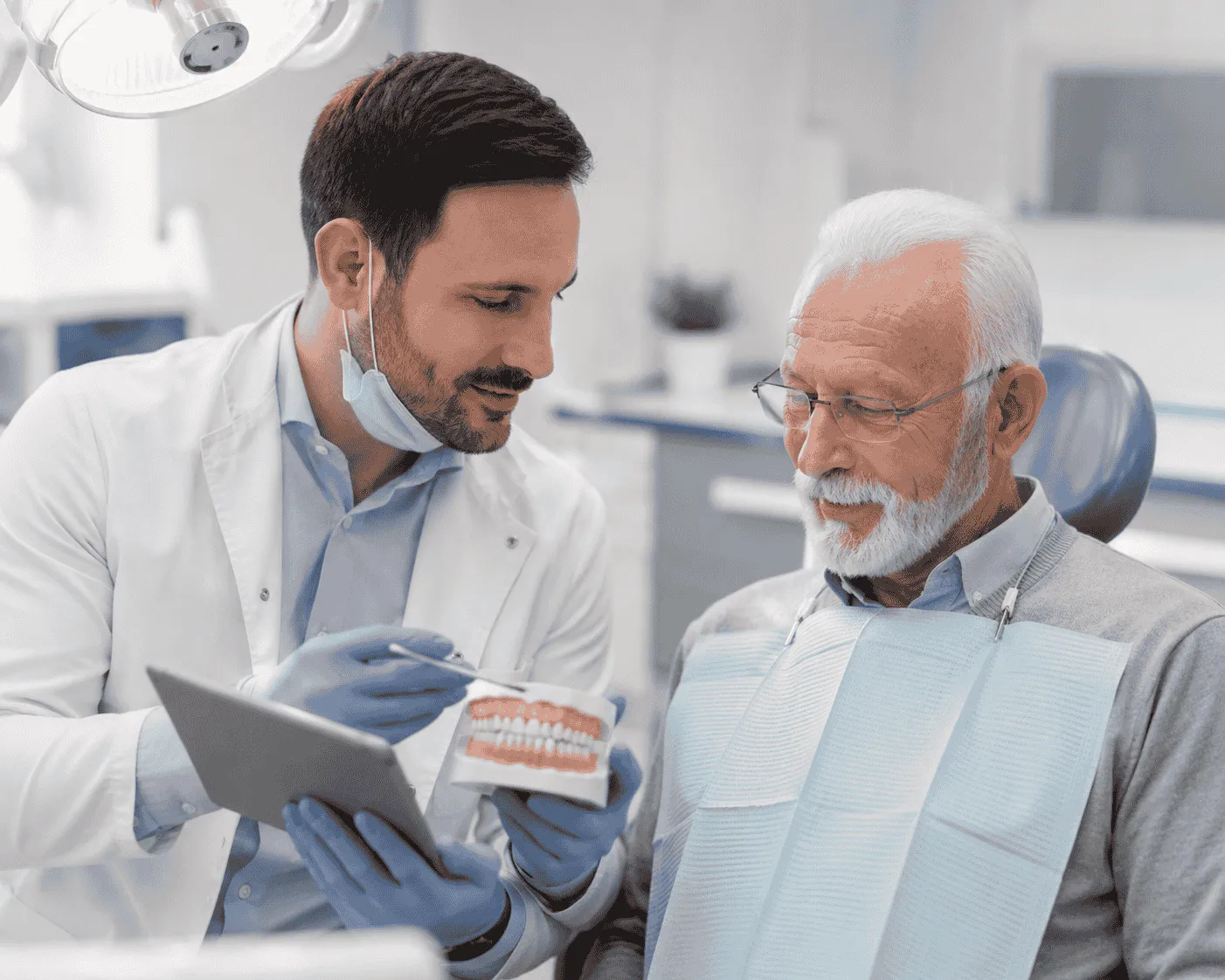
A mobile dental speaker does not just present slides. They step into the caregiver’s world.
They show how to brush the teeth of someone who resists care.
They explain how to recognize early signs of infection.
They offer simple routines that fit into busy schedules.
This kind of learning sticks because it feels real.
From confusion to confidence
I remember a caregiver who once told me, “I was afraid I would hurt them.”
After training, she said, “Now I know what I am doing, and I can help them.” That shift matters.
Confidence leads to consistency. Consistency leads to better outcomes.
Before and after the right training
Before
Caregivers avoid oral care because they feel unsure.
Residents resist because it feels uncomfortable.
Problems get noticed too late.
After
Caregivers understand what to do and why.
Residents feel more comfortable and cooperative.
Issues are caught early and managed quickly.
That is the impact of a strong geriatric oral health speaker combined with practical training.
Choosing the Right Geriatric Oral Health Speaker Matters
Look for real experience, not just credentials.
You want someone who has worked directly with seniors. Someone who understands geriatric dental hygiene services in real settings.
Theory is helpful. Experience is essential.
Teaching should feel simple and clear.
Caregivers do not need complicated language. They need clarity.
A good geriatric oral health speaker explains things in a way that makes sense immediately. They use stories, examples, and demonstrations.
Training should fit your environment.
Every care setting is different.
A memory care unit has different needs than home care. Assisted living has different challenges than skilled nursing.
The right mobile dental speaker adapts their training to fit your team.
Focus on what caregivers can do right away
The best training leaves caregivers with simple steps.
What tools to use
How often to provide care
What signs to watch for
This is where geriatric oral care education becomes practical, not theoretical.
Turning Training Into Daily Care That Protects Lives
Education only works when we apply it.
Here is what I recommend to every team I work with.
A simple checklist for daily oral care success
- Brush twice daily using a soft toothbrush
- Check for redness, swelling, or sores
- Keep the mouth moist, especially for those on medications
- Watch for changes in eating or behavior
- Document and report concerns early
These are small steps. But they create big change.
Supporting caregivers so they can succeed
Caregivers need support, not pressure.
Give them time to practice.
Encourage questions.
Celebrate progress.
When caregivers feel supported, they show up differently. And that shows in the care they provide.
What better care looks like
Residents eat more comfortably
Infections decrease
Caregivers feel confident
Families feel reassured
This is what happens when we invest in the right education and bring in a mobile dental speaker who understands the mission.
A Responsibility We All Share
We cannot ignore this any longer.
Oral health affects how our seniors live every single day. It impacts their comfort, their dignity, and their safety.
When we bring in a mobile dental speaker, we are choosing to do better. We are choosing to educate our teams. We are choosing to protect those who depend on us.
And this is bigger than one facility or one family. This is about how we care for people as they age, for ourselves and our families.
So I leave you with this question.
If we know better now, how will we choose to care differently moving forward?


























Sign in to leave a comment.