

For decades, the Indian food market was dominated by packaged items, refined oils, instant mixes, and factory-made dairy products. Busy lifestyles made convenience more attractive than quality. But something remarkable is happening today — something subtle, powerful, and driven by awareness.
Across metro cities, small towns, and even villages, families are returning to traditional, farm-fresh foods. Not because it is fashionable, but because it feels right, tastes better, and supports long-term health in ways modern food simply cannot.
This movement is more than nostalgia. It is a quiet revolution.
A Realization: Pure Food Isn’t a Luxury — It’s Our Right
For years, people didn’t think twice before using refined oils or processed foods. But rising lifestyle disorders, low immunity, and digestive issues forced a deeper look at what was happening inside our kitchens.
Consumers began reading labels, questioning ingredients, and researching what goes into their daily meals. That’s when they realized something painfully simple:
Food shouldn’t need chemicals, preservatives, artificial flavors, or industrial shortcuts to exist.
This realization sparked the return of:
- Bilona A2 Ghee
- Wood-pressed groundnut and coconut oil
- Cold-pressed mustard, sesame, and sunflower oils
- Farm-fresh honey
- Pure, small-batch dairy
These traditional items were never outdated — they were simply overshadowed by modern mass production.
Why This Shift Is More Important Than Ever
1. Traditional foods support real health
The body recognizes natural foods.
Our great-grandparents ate ghee, fresh milk, wood-pressed oils, and seasonal produce — and enjoyed better gut health, stronger immunity, and fewer lifestyle diseases compared to today.
A2 ghee, raw honey, and natural oils contain:
✔ Essential fatty acids
✔ Antioxidants
✔ Anti-inflammatory compounds
✔ Enzymes
✔ Vitamins & minerals
No supplement can replace the richness of pure food.
2. Slow extraction protects nutrition
Industrial processing uses extreme heat, bleaching, deodorizing, and chemical refining.
This destroys the natural value of food.
But traditional processes like:
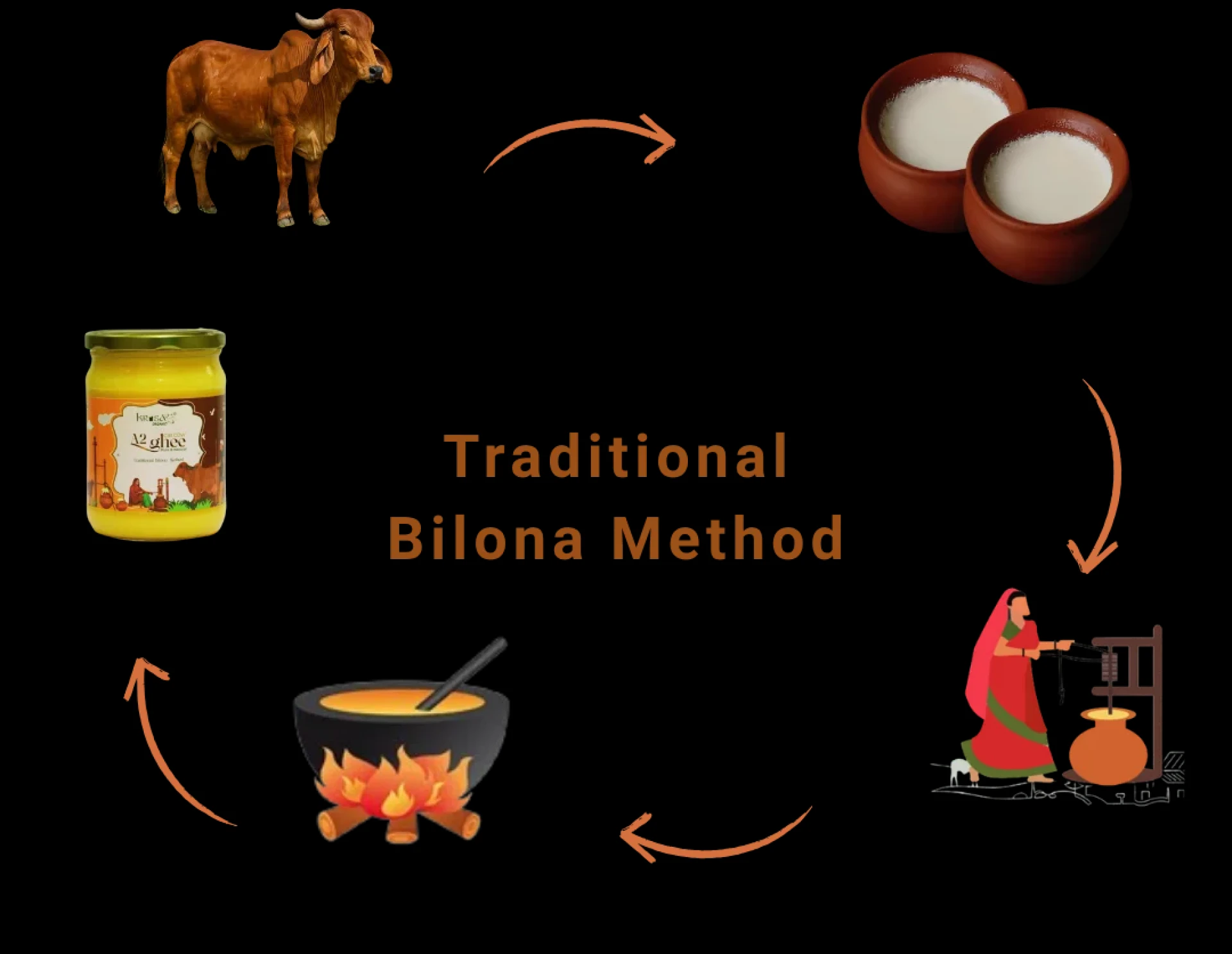
- Bilona method for ghee
- Wood pressing (lakdi ghani)
- Cold pressing for oils
- Slow filtering for honey
help retain aroma, taste, and nutrition that the body can actually absorb.
3. Consumers now prioritize ethical farming
India is becoming more conscious about:
- What cows are fed
- How milk is handled
- Whether oils are adulterated
- Whether honey contains sugar syrups
People want clean, honest, transparent food.
This demand is encouraging more ethical farms to rise across India — a huge win for both health and the environment.
Krisa Organic Farms: A Small Farm Leading a Big Change
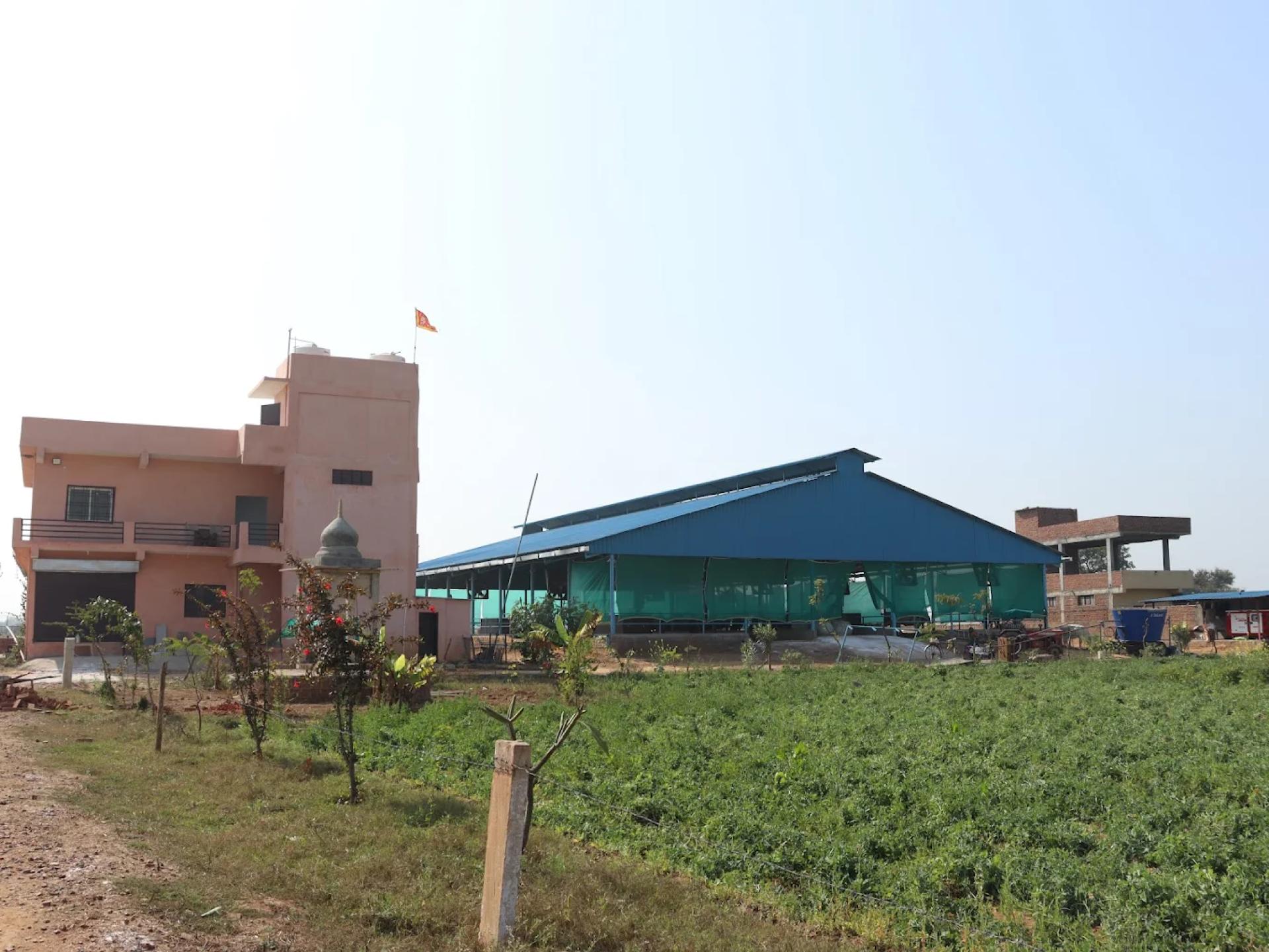
Located in the peaceful region of Manpur, Gwalior, Krisa Organic Foods & Farms Pvt. Ltd. is one of the brands that represents this new India — an India returning to purity.
Spread across 52 bighas of farmland, Krisa produces:
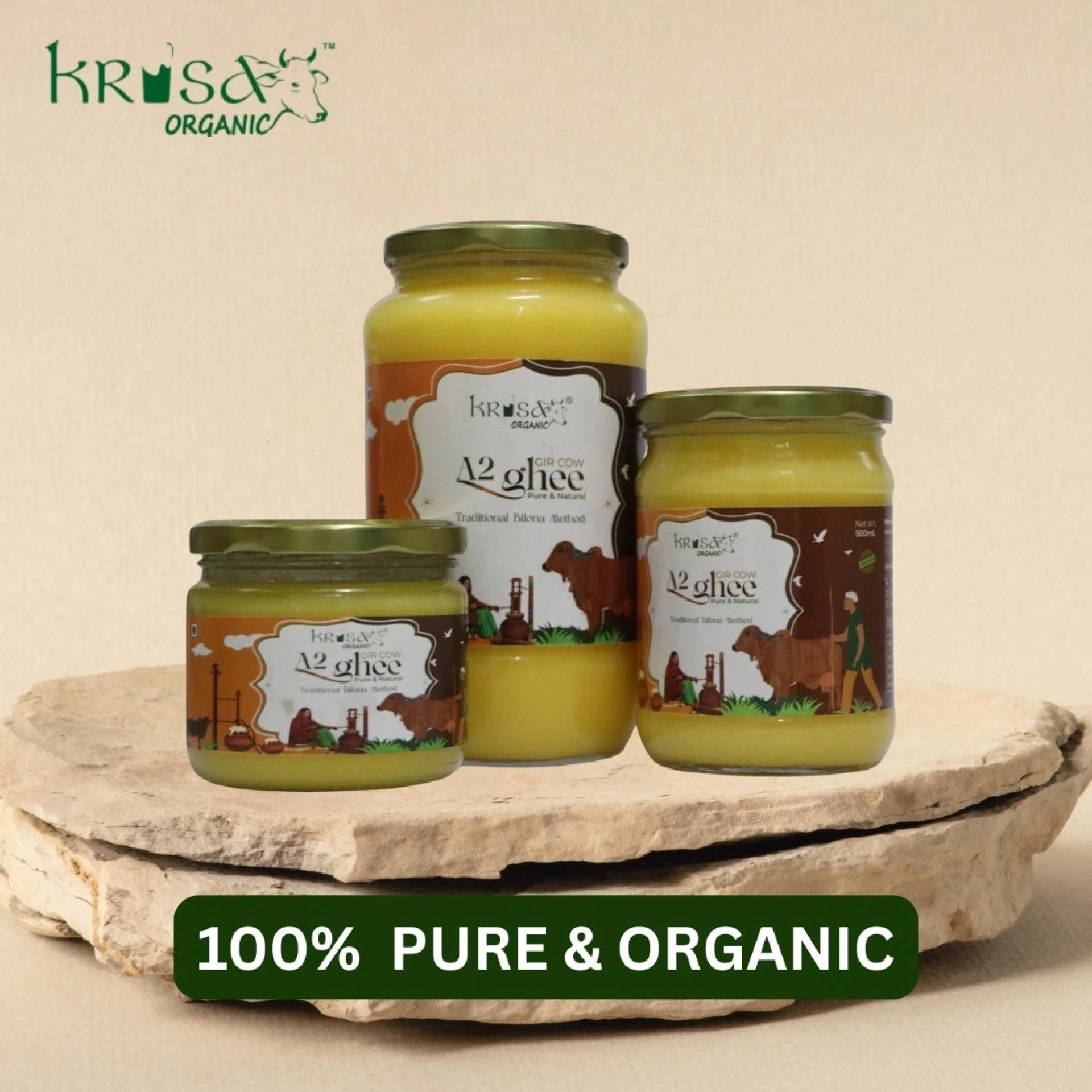
- A2 Cow Ghee (Bilona method)
- A2 Buffalo Ghee
- Wood-Pressed Groundnut Oil
- Wood-Pressed Coconut Oil
- Cold-Pressed Sesame, Mustard & Sunflower Oil
- Raw Farm Honey
There are no preservatives, no chemicals, no shortcuts.
Just small-batch production, clean processes, and honest food.
What sets Krisa apart is transparency — every product is traceable back to the farm. In a world full of packaged labels, this kind of honesty is rare and refreshing.

The Wellness Impact of Returning to Pure Foods
People who switched to A2 ghee, natural oils, and raw honey reported:
- Better digestion
- More energy throughout the day
- Reduced bloating and acidity
- Clearer skin and improved hair health
- Better joint lubrication (thanks to healthy fats)
- Stronger immunity
- Better overall mood and balance
Because when you nourish the body with clean ingredients, the body responds beautifully.
This Isn’t a Trend — It’s the Future of India’s Food Culture
India has always been a land of traditional wisdom. Our Ayurvedic knowledge, our farming heritage, and our grandmother’s recipes were all built on one truth:
Real food heals.
Today, people are embracing that truth again. Not because it’s old-fashioned, but because it’s effective.
As more families choose pure, minimally processed foods, the market will shift permanently — creating a healthier generation and a more transparent food ecosystem.
The future of India’s kitchens is not modern.
It is balanced — combining awareness with tradition.
And that future begins with the choices we make today.



























Sign in to leave a comment.