

In recent years, food has become more than just a source of energy. For many people across India, it is now closely connected with lifestyle choices, awareness, and long-term well-being. This shift has led to renewed interest in farm-based and traditionally prepared foods—products that are rooted in simplicity, transparency, and time-tested methods.
For decades, convenience and mass production dominated food systems. While these methods helped improve availability, they also created distance between consumers and the source of their food. Today, that gap is slowly closing as people begin to value where their food comes from, how it is prepared, and the principles behind its production.
The Return to Traditional Food Wisdom
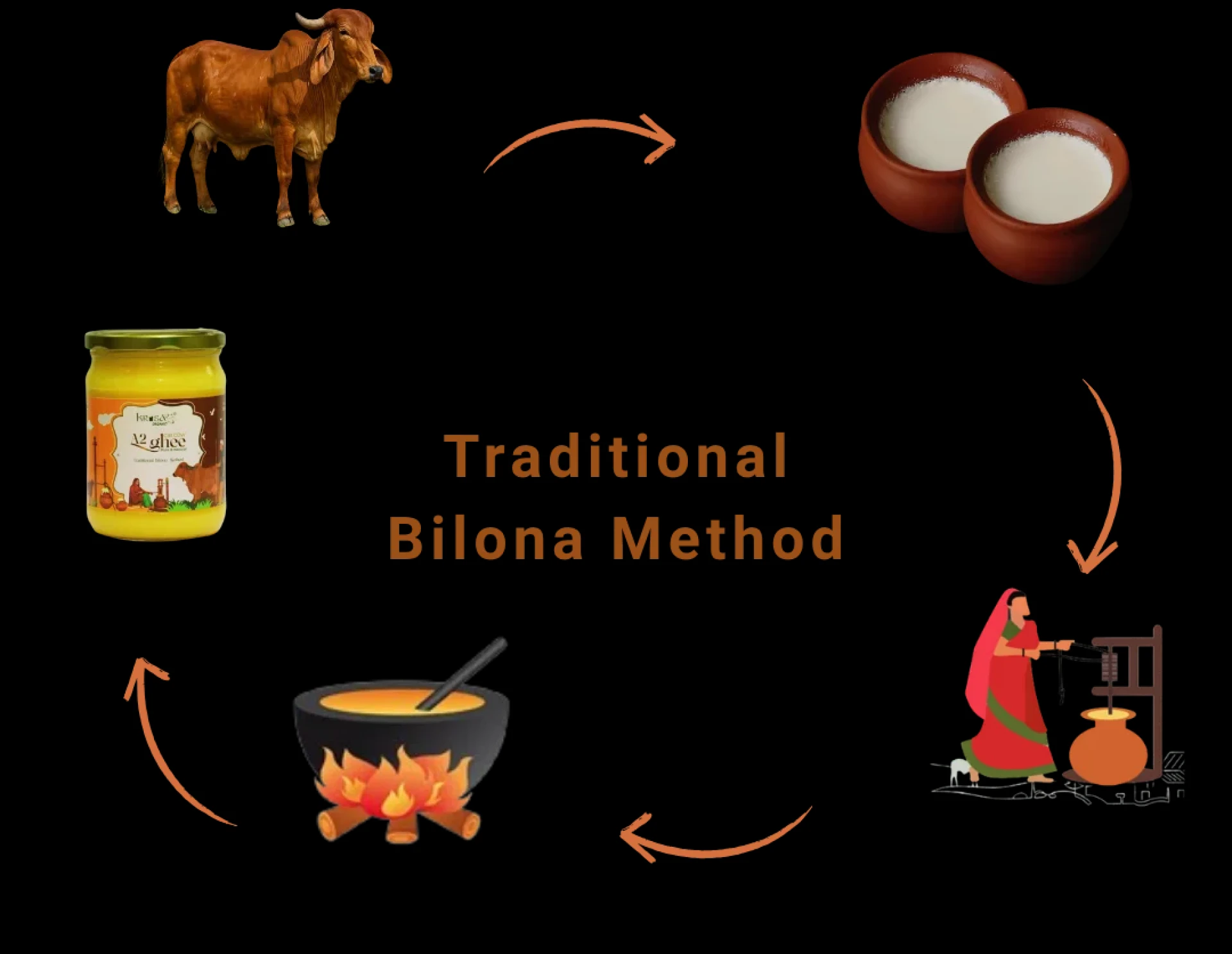
Traditional Indian food systems were built around patience and balance. Processes like slow heating, hand churning, and natural fermentation were designed to preserve the original character of ingredients. Unlike industrial processing, which often relies on high temperatures and chemical interventions, traditional methods focus on minimal handling.
This return to traditional food wisdom is not driven by nostalgia alone. It is supported by a growing understanding that less processing often means better integrity of ingredients. Foods prepared using traditional techniques tend to retain their natural aroma, texture, and identity, making them easier to incorporate into mindful daily diets.
Why Farm-Based Production Matters
Farm-based food production plays a key role in this transition. When food is produced closer to its source, there is greater control over quality, hygiene, and ethical practices. Farm-led systems allow producers to monitor each stage—from sourcing raw materials to final preparation—without unnecessary intermediaries.
This approach encourages transparency. Consumers feel more confident when they know the origin of their food and the values followed during its production. Farm-based models also promote sustainability by supporting responsible land use, animal welfare, and natural farming practices.
Traditional Ghee and Natural Oils in Modern Kitchens
Among traditionally prepared foods, ghee and natural oils have regained attention. Earlier, they were often misunderstood or avoided due to oversimplified dietary trends. However, modern awareness has brought balance back into the conversation.
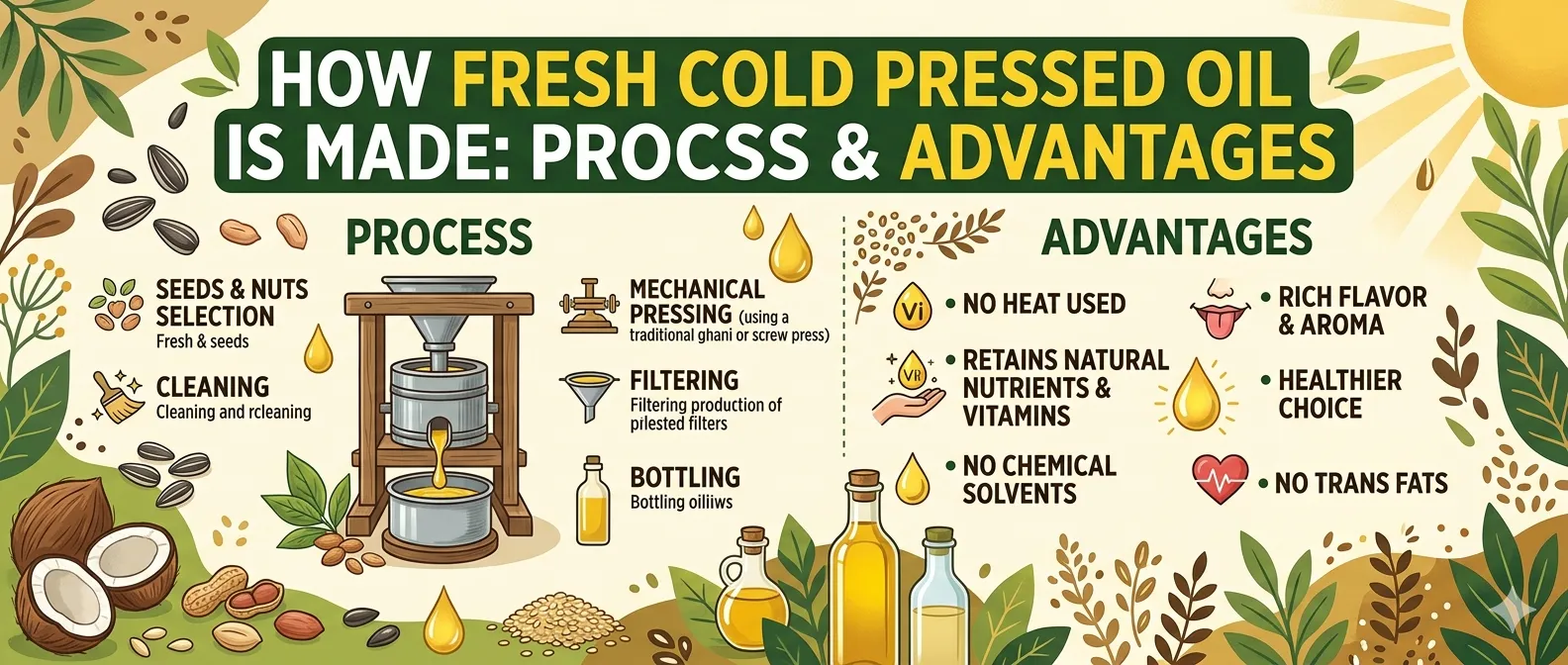
Traditionally prepared ghee, made using slow and deliberate methods, has long been part of Indian households. Similarly, oils extracted through wooden or cold-pressed techniques avoid excessive heat and refining. These methods aim to preserve the natural structure of the ingredients rather than altering them for extended shelf life.
In modern kitchens, these foods are not treated as shortcuts or miracle solutions but as mindful choices that fit into balanced lifestyles when used responsibly.
Conscious Eating as a Lifestyle Choice
What makes this movement different from previous food trends is intention. People are no longer chasing labels or marketing claims alone. Instead, they are learning to read, ask questions, and make informed decisions.
Conscious eating involves understanding the relationship between food, routine, and values. It is about choosing quality over quantity and consistency over impulse. Traditional and farm-based foods naturally align with this philosophy because they are built on restraint, care, and respect for natural processes.
The Role of Ethical Farming
Ethical farming has become an important factor in food decisions. Consumers are increasingly sensitive to how animals are treated, how land is managed, and how resources are used. Farm-based producers who prioritize ethical practices create trust by showing responsibility beyond profit.
This approach benefits not only consumers but also farming communities and the environment. Ethical farming supports long-term sustainability rather than short-term output, which is why it resonates with people seeking meaningful food choices.
Digital Awareness and Changing Food Narratives
The rise of digital platforms has played a significant role in spreading awareness. Articles, blogs, and shared experiences have allowed people to explore food topics in depth. This has helped demystify traditional methods and present them in a modern, relatable context.
Instead of relying on advertisements alone, consumers now learn through stories, education, and community discussions. This shift has encouraged brands and farms to focus more on authenticity and less on exaggeration.
Looking Ahead: Tradition and Modernity Together
The growing preference for traditional, farm-based food does not mean rejecting modern life. It means adapting tradition in ways that fit current needs while preserving its essence. Packaging, communication, and accessibility may evolve, but the core values remain unchanged.
As awareness continues to grow, traditional food systems are likely to become an integral part of modern Indian lifestyles. This movement reflects a deeper cultural change—one that values understanding, patience, and responsibility.
Conclusion
The renewed trust in farm-based traditional food highlights a thoughtful shift in consumer behavior. People are moving away from extremes and toward balance, choosing food that aligns with both heritage and modern awareness. By reconnecting with traditional preparation methods and ethical farming practices, modern India is redefining what it means to eat consciously.
























Sign in to leave a comment.