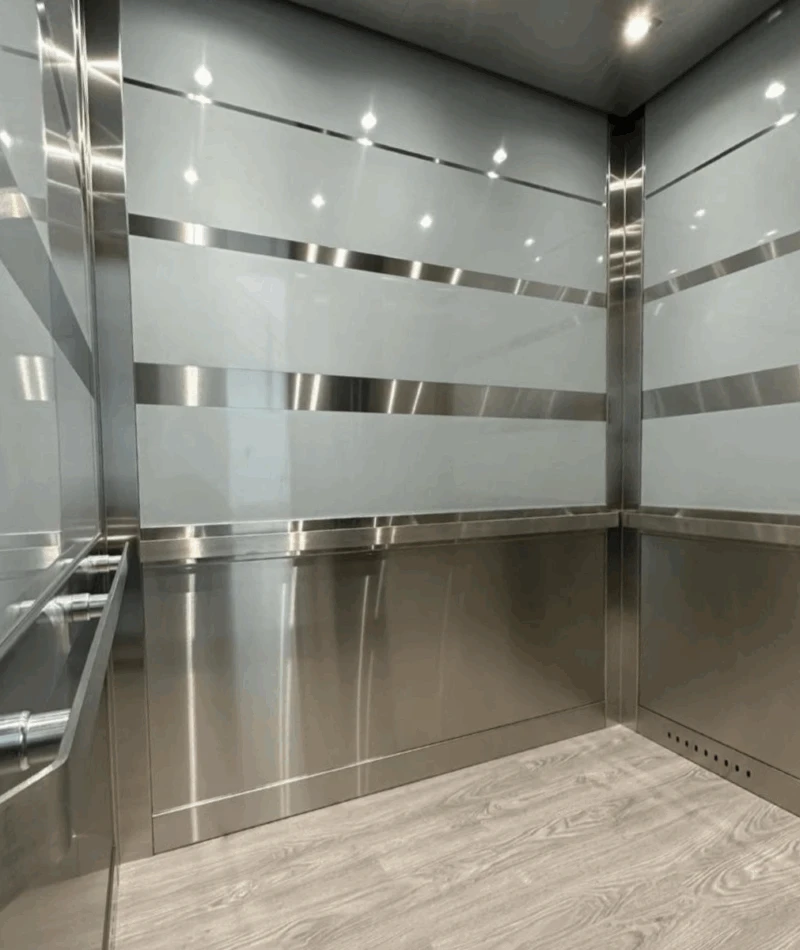
Elevators are one of the most heavily used systems in any building. In offices, apartments, hotels, and medical facilities, people rely on them every day to move quickly and safely between floors. Because of this constant use, lift systems experience wear over time. Without proper care, small mechanical issues can slowly turn into major breakdowns.
Building owners and property managers often assume that elevators only need attention when something stops working. In reality, consistent care and smart daily habits can extend the life of a lift system by many years. Regular inspections, small adjustments, and responsible building practices all help prevent unnecessary damage.
Professional maintenance programs, including scheduled inspections from companies that specialize in Miami Elevator Service, help ensure that elevators remain reliable and safe. However, long equipment life is not only the responsibility of technicians. Many everyday habits within the building also play a major role in keeping lifts operating smoothly.
Understanding these habits can reduce repair costs, improve safety, and keep elevator systems functioning efficiently for the long term.
Routine Inspections Prevent Small Problems from Growing
Elevator systems contain many moving parts, electrical components, and safety devices. Over time, normal use can cause parts to loosen, wear down, or lose proper alignment. Regular inspections allow technicians to detect these issues early.
Checking Mechanical Components Regularly
Mechanical components handle most of the physical work inside an elevator. These parts experience constant stress as the lift moves between floors.
Routine inspections often focus on:
- Hoist cables and traction systems
- Guide rails and alignment
- Door tracks and rollers
- Motors and drive systems
- Braking mechanisms
When technicians identify worn components early, repairs can be scheduled before a failure occurs. Replacing a small part during a planned maintenance visit is far less disruptive than responding to a sudden breakdown.
Regular checks also allow professionals to confirm that all safety systems remain fully operational.
Monitoring Control Systems and Electronics
Modern elevators rely heavily on electronic control systems. These systems regulate speed, floor leveling, door timing, and safety functions.
Over time, control components may experience issues such as:
- Loose wiring connections
- Software glitches
- Sensor misalignment
- Aging circuit boards
Routine diagnostics help ensure that these electronic systems continue to perform accurately. Early detection of control system issues prevents unpredictable behavior and improves long-term reliability.
Clean Equipment Helps Lifts Operate Smoothly
Many building owners underestimate how much dirt, dust, and debris can affect elevator performance. Even small amounts of contamination can interfere with mechanical movement or electrical connections.
Keeping elevator areas clean is a simple habit that supports system longevity.
Maintaining a Clean Machine Room
The machine room houses some of the most important elevator components, including motors, controllers, and electrical panels. Dust and debris can create several problems in this space.
Common risks include:
- Overheating caused by blocked ventilation
- Electrical issues from dust buildup
- Reduced equipment lifespan
A clean machine room should always remain:
- Dry
- Well ventilated
- Free from storage materials
- Clear of unnecessary equipment
Building staff should avoid using machine rooms as storage spaces. Even minor clutter can restrict airflow and increase fire risks.
Keeping Elevator Shafts Free of Debris
Debris in the elevator shaft can create operational issues over time. Dust, construction materials, or loose objects may interfere with sensors and moving parts.
Routine cleaning and inspections help prevent:
- Sensor blockage
- Door operation problems
- Mechanical interference
Technicians typically check the shaft area during scheduled service visits to ensure that all components remain clear and functional.
Door Systems Need Frequent Attention
Elevator doors are one of the most active components of any lift system. In busy buildings, doors may open and close thousands of times every day. This constant movement leads to gradual wear.
Regular maintenance keeps door systems operating properly.
Inspecting Door Tracks and Rollers
Door tracks guide the movement of elevator doors. Rollers allow the doors to slide smoothly across these tracks.
When tracks become dirty or rollers wear down, several issues may appear:
- Slow door movement
- Loud grinding sounds
- Doors that fail to close completely
Routine cleaning and lubrication help maintain smooth movement. Replacing worn rollers early prevents larger door system failures.
Checking Safety Sensors and Timing
Elevator doors rely on sensors to detect people or objects in the doorway. These sensors prevent doors from closing on passengers.
Over time, sensors may become misaligned or blocked by dust. When this happens, doors may behave unpredictably.
Regular checks ensure that:
- Sensors remain properly aligned
- Detection zones are accurate
- Door timing functions correctly
Reliable door operation improves both passenger safety and overall system efficiency.
Balanced Usage Helps Protect Elevator Components
Elevators are designed to handle significant daily traffic, but extreme usage patterns can still place extra strain on equipment.
Building management can reduce unnecessary stress by encouraging balanced elevator use.
Managing Heavy Load Situations
Large groups of passengers or heavy items can place additional strain on lift systems. Overloading the elevator can damage components and increase wear.
To reduce these risks, buildings often implement simple guidelines such as:
- Respecting posted weight limits
- Using freight elevators for large deliveries
- Scheduling large equipment moves outside peak hours
Following these practices protects both passengers and equipment.
Reducing Door Obstruction Habits
Passengers sometimes hold elevator doors open by blocking them with hands or objects. While this may seem harmless, repeated obstruction can damage door mechanisms.
Encouraging responsible behavior helps protect door systems. Building signage and awareness campaigns can remind occupants to avoid interfering with door operation.
Lubrication Keeps Moving Parts in Good Condition
Many elevator components rely on proper lubrication to function correctly. Without lubrication, friction increases and components wear out faster.
Professional maintenance teams follow lubrication schedules based on equipment specifications.
Identifying Components That Require Lubrication
Key components that require regular lubrication include:
- Door tracks and rollers
- Bearings in motors and pulleys
- Guide rails
- Mechanical linkages
Proper lubrication reduces friction and heat, allowing components to move smoothly and last longer.
Technicians use specific lubricants designed for elevator systems to ensure compatibility with materials and operating conditions.
Preventing Over-Lubrication Problems
While lubrication is essential, applying too much lubricant can also create problems.
Excess lubrication may lead to:
- Oil leaks
- Dust accumulation
- Slippery surfaces that affect traction
Professional technicians understand the correct lubrication levels needed for each component.
Consistent Maintenance Schedules Extend Equipment Life
The most important habit for extending elevator lifespan is maintaining a consistent service schedule. Preventive maintenance ensures that technicians regularly evaluate the system and perform necessary adjustments.
Following Manufacturer Maintenance Guidelines
Every elevator manufacturer provides maintenance recommendations based on system design. These guidelines specify how often components should be inspected, cleaned, or replaced.
Following these schedules helps ensure that:
- Equipment operates safely
- Warranty requirements remain valid
- Performance stays consistent
Skipping scheduled maintenance often leads to premature equipment wear.
Documenting Maintenance and Repairs
Keeping accurate maintenance records helps building owners track the condition of elevator systems.
Maintenance logs typically include:
- Inspection dates
- Completed repairs
- Replaced components
- Observed performance issues
These records provide valuable insight when planning upgrades or diagnosing recurring problems.
Building Staff Play an Important Role in Lift Care
Maintenance technicians visit elevators on scheduled intervals, but building staff observe lift behavior every day. Their attention to detail can help identify problems early.
Recognizing Early Warning Signs
Certain signs often indicate that an elevator system needs attention.
Staff members should report issues such as:
- Unusual noises during operation
- Slow door response
- Inconsistent floor leveling
- Frequent service interruptions
Prompt reporting allows technicians to investigate before a small issue becomes a major repair.
Encouraging Safe Passenger Behavior
Building staff can also promote responsible elevator use. Simple reminders about weight limits and door safety help reduce unnecessary wear.
Clear communication with tenants and occupants creates a safer environment while protecting the equipment.
Long-Term Care Protects Building Investments
Elevators represent a major investment for any building. Proper maintenance habits protect this investment while ensuring reliable daily operation.
Regular inspections, clean equipment environments, responsible passenger use, and consistent service schedules all contribute to longer equipment life. When these habits become part of routine building management, elevators perform better and experience fewer unexpected failures.
Reliable lift systems improve tenant satisfaction, support building safety, and reduce costly emergency repairs. Over time, these small maintenance practices deliver significant long-term benefits for both property owners and occupants.



















Sign in to leave a comment.