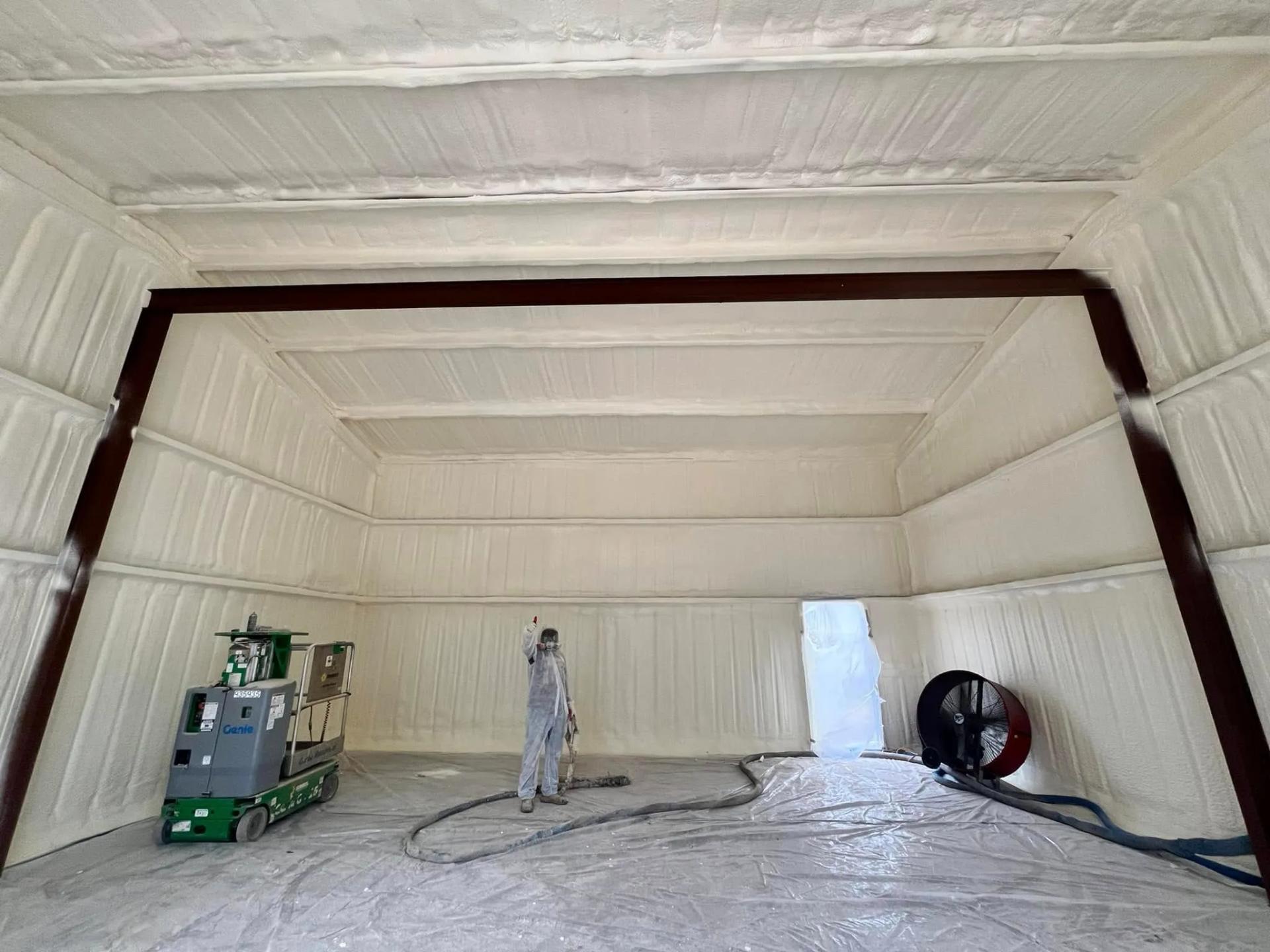
Insulation services provide property owners with a reliable way to manage indoor temperatures and reduce monthly energy expenses. High-performance spray foam insulation create a thermal barrier that prevents the exchange of air between the interior and the outside environment. This guide explains how different insulation types work and how professional application ensures a secure building envelope for residential and commercial structures.
By focusing on materials that offer both thermal resistance and air sealing, property owners can achieve significant long term savings. Experts review the building's design to recommend the most effective solutions for specific climates and structural requirements. Modern technology enables the creation of a seamless barrier that traditional batts or blown-in insulation cannot match.
Primary Material Options for Building Efficiency
Experts categorize insulation based on its ability to resist heat flow and block air movement. While many buildings still rely on traditional fiberglass, current efficiency standards favor materials that provide a complete seal. Selecting the right product requires understanding local weather patterns and the specific thermal requirements of the property.
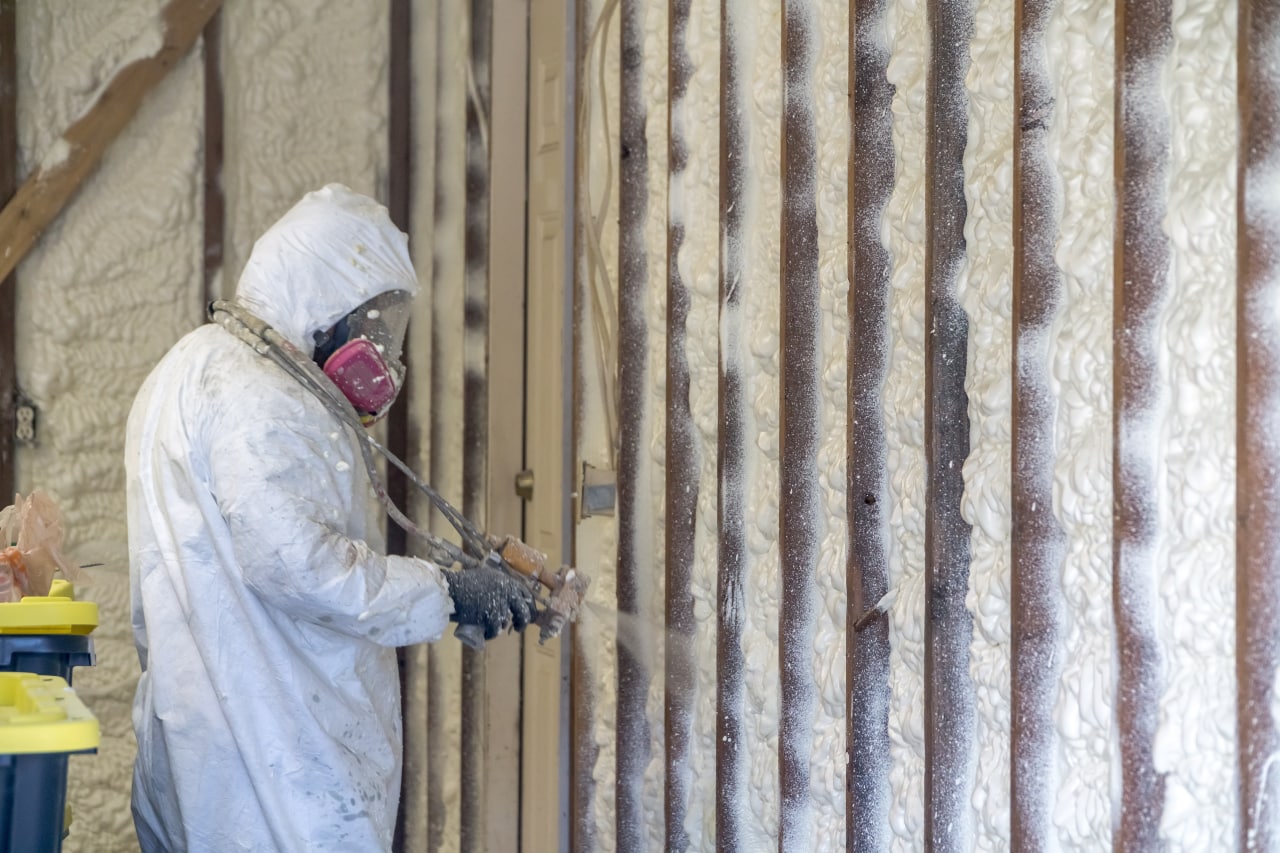
Characteristics of Spray Foam Technology
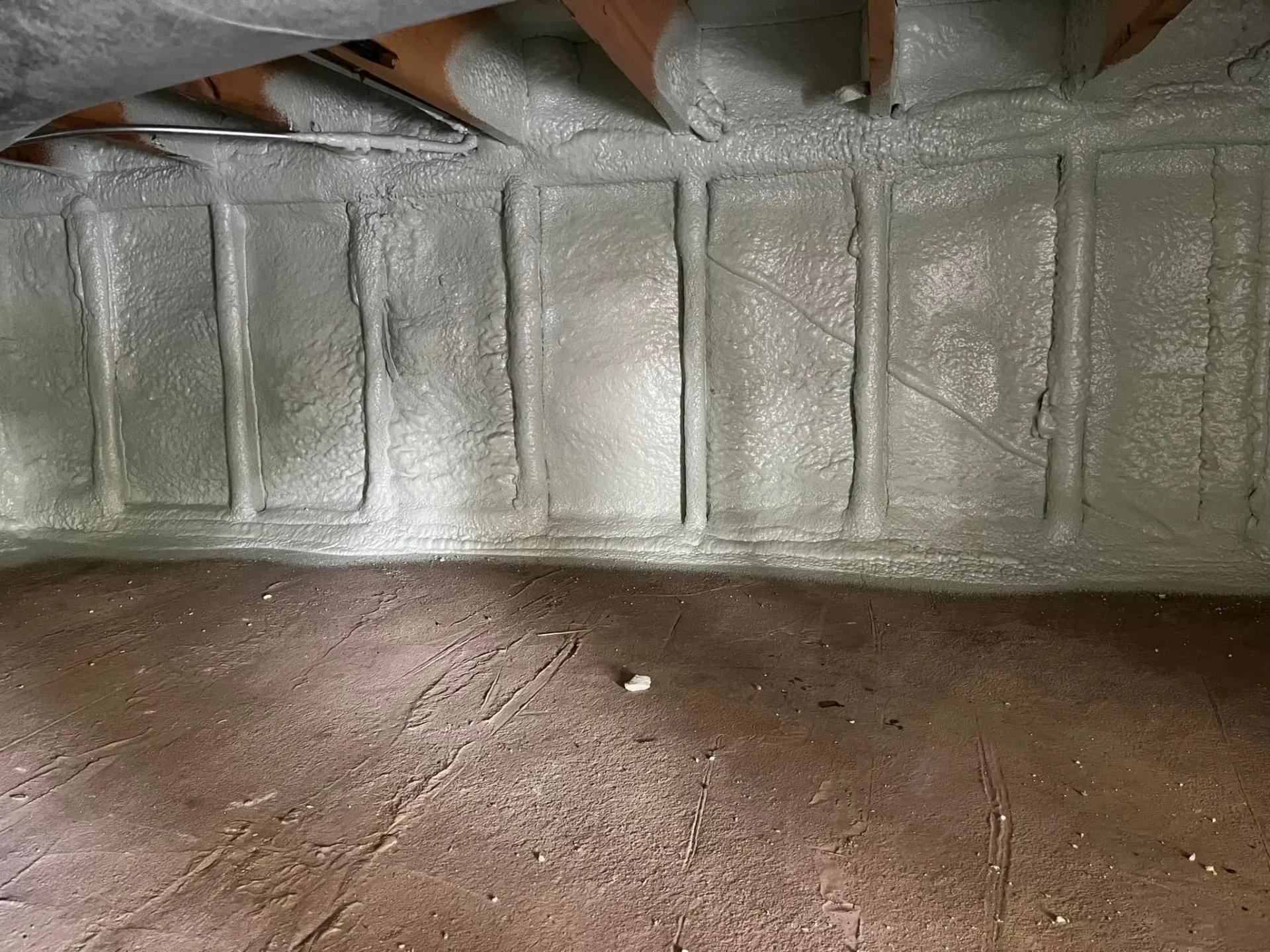
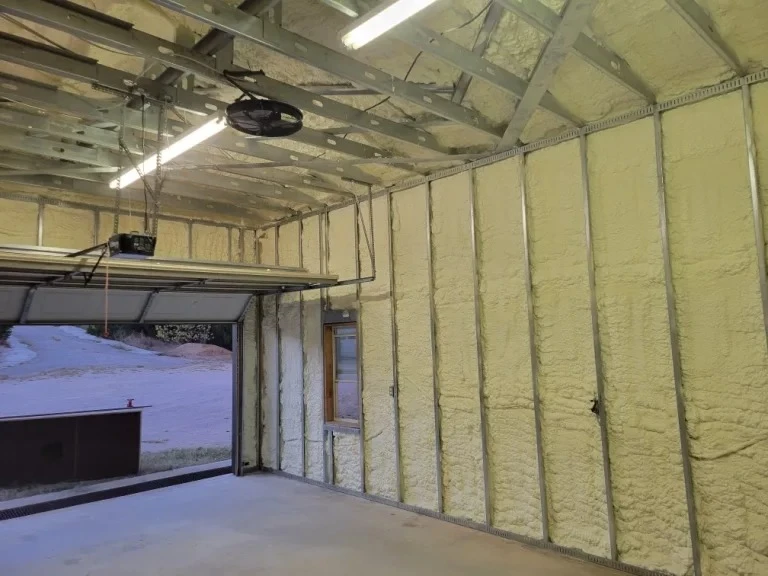
Spray foam is a liquid that expands into a solid barrier, filling deep cracks and voids that other materials miss. This expansion creates a monolithic layer that blocks drafts and stops the loss of conditioned indoor air. Technicians use specialized equipment to maintain the correct chemical balance throughout the installation process.
Differences Between Open and Closed Cell
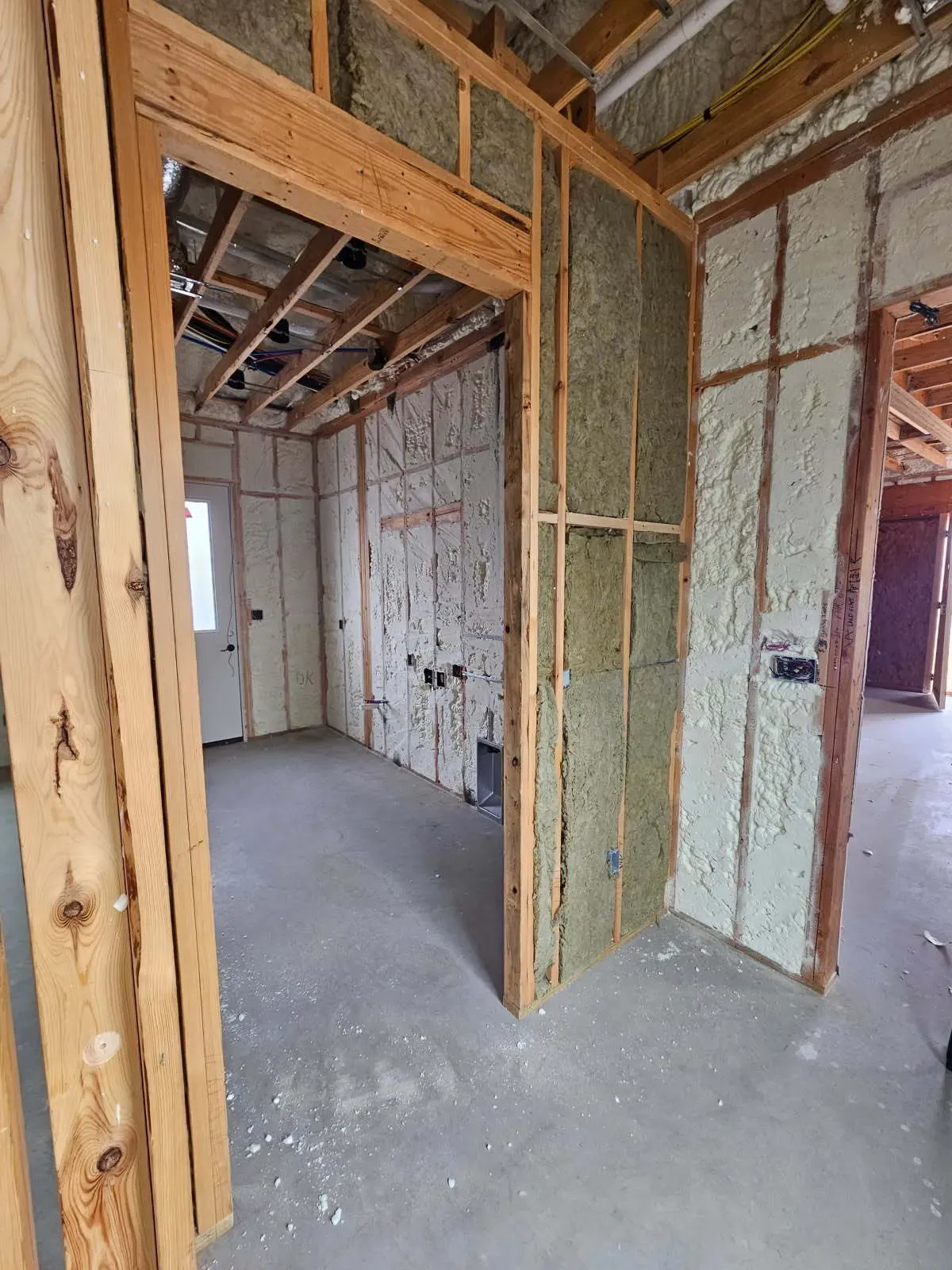
Open cell foam is a lightweight and flexible material that is highly effective for soundproofing and interior walls. Closed cell foam is much denser and serves as a water vapor barrier, which is preferred for exterior applications or damp spaces. Both options offer a significant improvement over traditional insulation by simultaneously stopping air leakage and heat transfer.
Bonus Tip One
Property owners should prioritize sealing the attic floor and the rim joists in the crawlspace or basement first. These areas are responsible for the greatest energy loss in a typical building and offer the fastest return on the initial investment.
Technical Density Ratings for Materials
Closed cell materials typically feature a density of about two pounds per cubic foot. This high density provides the structural strength and moisture resistance necessary for tough environmental conditions. Open cell options are much lighter, weighing roughly half a pound per cubic foot, which allows for more expansion and better noise reduction in living areas.
Practical Performance Data for Property Owners
Understanding the technical specifications of insulation materials helps in making an informed choice for any building project. The R-value measures how well a material resists heat flow, while air permeability indicates how much draft protection the system provides. Combining these metrics gives a clear picture of the expected performance and potential savings.
| Material | R-Value per Inch | Air Sealing Ability | Moisture Resistance |
|---|---|---|---|
| Spray Foam (Closed) | 6.0 to 7.0 | Superior | High |
| Spray Foam (Open) | 3.5 to 3.8 | High | Moderate |
| Mineral Wool | 3.0 to 3.3 | Low | Moderate |
| Fiberglass Batts | 2.2 to 3.8 | Low | Low |
Climate Specific Guidance for Central Texas
In regions with high heat and humidity, insulation must manage more than just temperature. It needs to prevent moisture from condensing inside the wall cavities, which can lead to structural damage over time. Professional insulation services focus on creating a sealed system that keeps humid air outside while maintaining a cool interior.
- Spray foam reduces the workload on cooling systems during the extreme summer months.
- The airtight seal prevents outdoor allergens and dust from entering the living space through the attic.
- Properly insulated attics maintain temperatures closer to the living area, which protects HVAC equipment.
- High performance materials do not sag or degrade, ensuring that the thermal protection remains consistent for decades.
Things to Consider Before Making a Decision
Before starting an insulation project, property owners must evaluate the current state of the structure and their specific goals. Factors such as the age of the building and the condition of existing materials can affect the complexity of the work. A professional inspection identifies hidden air leaks that require specialized sealing techniques for the best results.

Evaluating Existing Structures
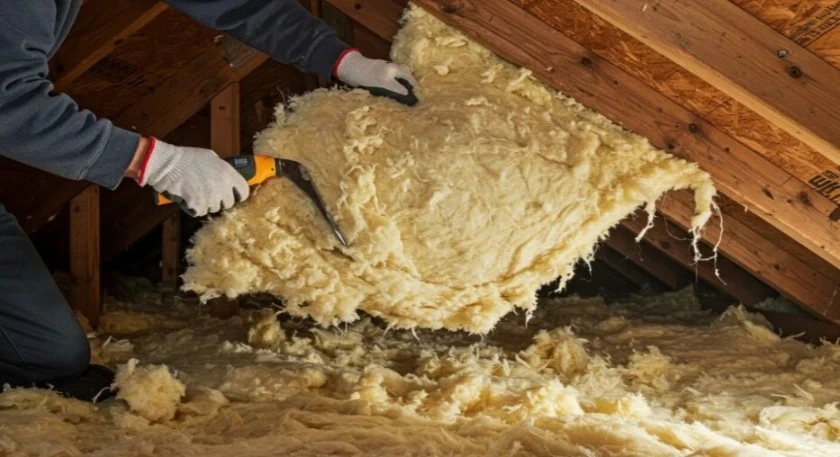
Older properties often have dusty or contaminated insulation that needs to be safely removed before new materials are added. Professionals check for signs of past moisture damage or pest activity that could affect the performance of the new thermal barrier. Clearing out old debris ensures the new installation is clean, safe, and effective.
Budget and Long Term Value
The initial price of high performance materials is often higher than traditional choices, but the monthly utility savings provide a steady return. Owners should consider the total cost of ownership over 10 to 20 years rather than just the installation price. Efficiency upgrades also increase the property's market value by reducing operating costs.
Bonus Tip Two
Always check for local utility rebates or federal tax credits before signing a contract for insulation work. Many energy providers offer financial incentives for homeowners who upgrade their insulation to meet modern standards, helping offset the initial project cost.
Common Questions About Modern Insulation Technology
How long does spray foam insulation last?
When applied correctly, this material is designed to last for the remaining life of the building. It does not settle, shrink, or degrade like fiberglass, meaning it maintains its R-value and air sealing properties indefinitely without the need for periodic top offs.
Can insulation help reduce outside noise?
Open cell foam is particularly effective at absorbing sound waves and reducing noise transfer from busy roads or neighbors. It acts as a sound dampening barrier when installed in interior walls or between floors in multi story homes.
Is it safe for residents to stay home during installation?
It is usually recommended that people and pets vacate the premises during the application and for a specific period afterward. This allows the foam to cure completely and any smells to dissipate through mechanical ventilation before the family returns.
Does new insulation require removing the old material?
While not always mandatory, removing old insulation improves air sealing and identifies hidden structural issues, such as wood rot. It also eliminates dust and allergens that may have accumulated in the attic over many years.
Will spray foam damage the roofing shingles?
When applied to the underside of the roof deck, the foam does not negatively impact the lifespan of most roofing materials. It actually helps stabilize the roof structure against high winds and prevents heat from building up in the attic space.
Summary of Insulation Selection Strategies
Selecting an insulation service requires balancing immediate needs with long term efficiency goals. Property owners should look for materials that provide a complete air seal and high thermal resistance to maximize their investment. By choosing professional installation, they ensure that the building envelope is secure and the indoor environment remains comfortable year round. Taking the time to evaluate these factors leads to a more durable and cost effective building.
Finding Reliable Assistance for Insulation Projects
Property owners can find expert support for their projects by contacting specialized providers who understand the local climate demands. Spray Foam Tech offers a range of services including residential and commercial applications, mineral wool installation, and insulation removal. They focus on delivering high performance results for both new construction and retrofit projects to help clients achieve their efficiency goals. For more details or to discuss a specific project, they can be reached at (737) 777-9590 or via email at [email protected].
Reviewer: Maria Lopez reviewed the article and brought 12 years of insulation industry experience to improve the guidance. Practical tips were added, and the content was made clearer and more useful for contractors working in the field every day.
Sign in to leave a comment.