
Designing a staircase involves far more than connecting two levels of a building. Every staircase must provide safety, comfort, durability, and efficient use of available space. Whether you are building interior stairs for a home, exterior stairs for a deck, or a commercial stairway, accurate measurements are essential for achieving professional results.
Traditionally, stair design required extensive manual calculations, repeated measurements, and significant construction experience. Today, digital tools have transformed the process. An ez stair calculator and a stair calculator with landing make stair planning easier, faster, and more accurate for professionals and DIY builders alike.
These tools help eliminate guesswork, minimize construction errors, and ensure that every staircase meets functional and aesthetic requirements.
Why Accurate Stair Design Matters
A staircase is one of the most frequently used structures in any property. Poorly designed stairs can create safety hazards, reduce accessibility, and lead to costly repairs.
Accurate stair calculations provide several benefits, including:
- Improved user safety
- Consistent riser and tread dimensions
- Better structural performance
- Reduced material waste
- Faster project completion
- Greater compliance with building regulations
- Enhanced visual appeal
Even a small error in measurement can affect the comfort and usability of the entire staircase. For this reason, precise planning is essential before construction begins.
Understanding the Basics of Stair Construction
Before using an ez stair calculator, it is helpful to understand the key components of a staircase.
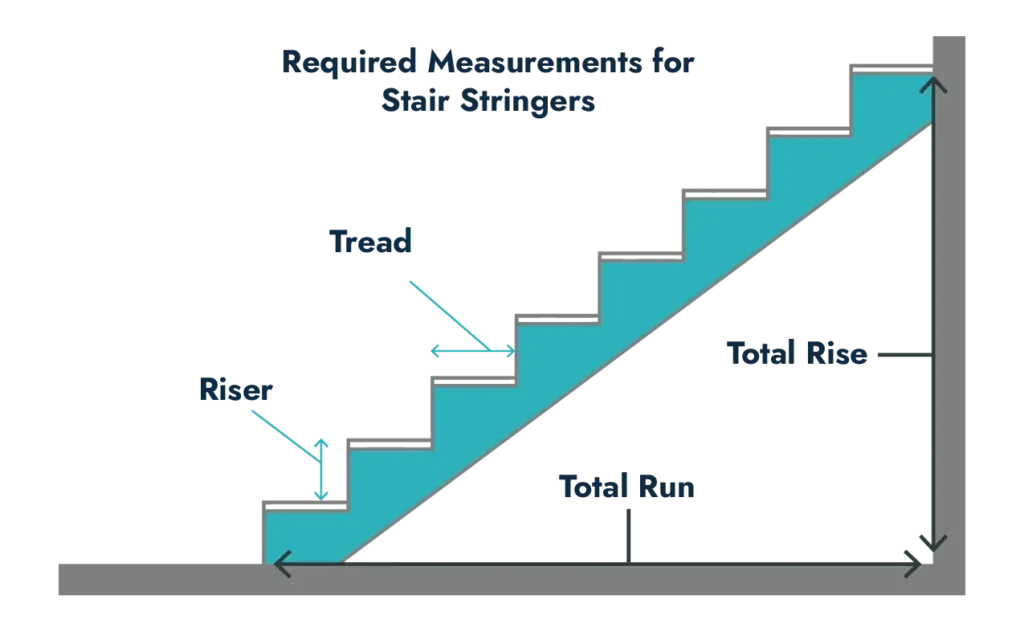
Total Rise
The total rise is the vertical distance from the finished floor at the bottom of the staircase to the finished floor at the top.
Total Run
The total run refers to the horizontal distance occupied by the staircase.
Riser
A riser is the vertical section between two consecutive steps.
Tread
The tread is the horizontal surface where users place their feet.
Stringer
Stringers are the structural supports that hold the treads and risers in place.
Landing
A landing is a flat platform positioned between flights of stairs or at directional changes.
Understanding these elements helps builders interpret calculator results more effectively.
What Is an EZ Stair Calculator?
An ez stair calculator is a digital tool that automatically calculates important stair dimensions based on user inputs. Rather than manually solving complex formulas, users simply enter measurements such as total rise and available space.
The calculator then generates detailed information, including:
- Number of steps required
- Individual riser height
- Tread depth
- Total stair run
- Stair angle
- Stringer dimensions
By automating calculations, the tool saves time and significantly reduces the risk of human error.
Benefits of Using an EZ Stair Calculator
Improved Precision
Manual calculations can sometimes produce inconsistent measurements. An ez stair calculator ensures uniform dimensions throughout the staircase.
Faster Planning Process
Builders can generate accurate stair layouts within seconds, allowing projects to move forward more efficiently.
Reduced Material Waste
Precise measurements minimize cutting mistakes and help optimize material usage.
Enhanced Safety
Proper stair proportions improve user comfort and reduce tripping hazards.
Easy Design Modifications
Users can experiment with different layouts and instantly compare results before finalizing a design.
What Is a Stair Calculator with Landing?
A stair calculator with landing is a specialized design tool that calculates stair dimensions for staircases that include intermediate platforms or directional changes.
Landings are commonly incorporated into stair systems to improve safety, conserve space, and comply with building requirements. Because these staircases involve additional variables, accurate calculations are even more important.
A stair calculator with landing can determine:
- Landing dimensions
- Number of steps before and after the landing
- Rise and run measurements
- Stair angle
- Total staircase length
- Overall layout configuration
This information helps builders design safe and efficient stair systems while maximizing available space.
Why Stair Landings Are Important
Landings play a vital role in modern staircase design and serve several practical purposes.
Improved Safety
Long staircases can be physically demanding. Landings provide resting areas that improve comfort and reduce fatigue.
Better Space Management
Landings allow staircases to change direction, making them ideal for compact floor plans.
Increased Accessibility
Intermediate platforms make stairways easier to navigate for children, elderly individuals, and people with mobility limitations.
Compliance With Building Codes
Many building regulations require landings after a specific number of steps or when stairs change direction.
Because of these advantages, landings are frequently used in residential and commercial construction.
Common Types of Staircases With Landings
Several staircase designs commonly incorporate landings.
Straight Stairs With Mid-Landing
These staircases include a flat platform halfway between floors, improving safety and convenience.
L-Shaped Stairs
An L-shaped staircase changes direction, typically by 90 degrees, using a landing.
U-Shaped Stairs
U-shaped stairs include two parallel flights connected by a landing and are popular in multi-story buildings.
Split-Level Staircases
Homes with split-level layouts often require landings to connect varying floor heights.
A stair calculator with landing simplifies the planning process for each of these designs.
Applications of Stair Calculation Tools
An ez stair calculator and stair calculator with landing can be used in numerous construction projects.
Residential Homes
Interior staircases, basement access, loft stairs, and split-level homes all benefit from accurate calculations.
Outdoor Decks and Patios
Exterior stairs often require customized designs based on terrain and available space.
Commercial Buildings
Businesses need code-compliant stair systems capable of handling significant foot traffic.
Renovation Projects
Existing buildings frequently require custom staircase solutions that fit unique dimensions.
Industrial Facilities
Factories and warehouses often use stairs with landings to improve safety and accessibility.
Best Practices for Stair Design
To achieve optimal construction results, builders should follow several important guidelines.
Measure Multiple Times
Always verify total rise and available run before entering measurements into a calculator.
Account for Finished Flooring
Floor coverings can alter final stair dimensions and should be included during planning.
Review Local Building Codes
Construction regulations vary by location and should always be consulted before beginning work.
Use Durable Materials
High-quality materials improve structural integrity and increase staircase lifespan.
Double-Check Final Layouts
Review all dimensions and landing configurations before cutting materials.
The Future of Digital Stair Planning
Modern construction increasingly depends on digital technology to improve efficiency and accuracy. Advanced stair calculators now offer visual diagrams, printable layouts, material estimates, and three-dimensional modeling.
These innovations provide significant benefits, including:
- Greater design flexibility
- Improved collaboration between builders and clients
- Faster project completion
- Reduced construction costs
- Enhanced precision
As technology continues to evolve, digital stair planning tools will become even more sophisticated and essential.
Conclusion
Creating a safe, comfortable, and visually appealing staircase begins with accurate planning. An ez stair calculator simplifies stair measurements by automatically generating essential dimensions, while a stair calculator with landing helps builders design complex stair systems that maximize both safety and space efficiency.
Whether you are working on a residential renovation, outdoor deck, commercial property, or custom staircase project, using reliable digital tools can significantly improve construction quality. By combining careful planning with accurate calculations, builders can create durable staircases that deliver long-lasting performance and exceptional usability.
























Sign in to leave a comment.