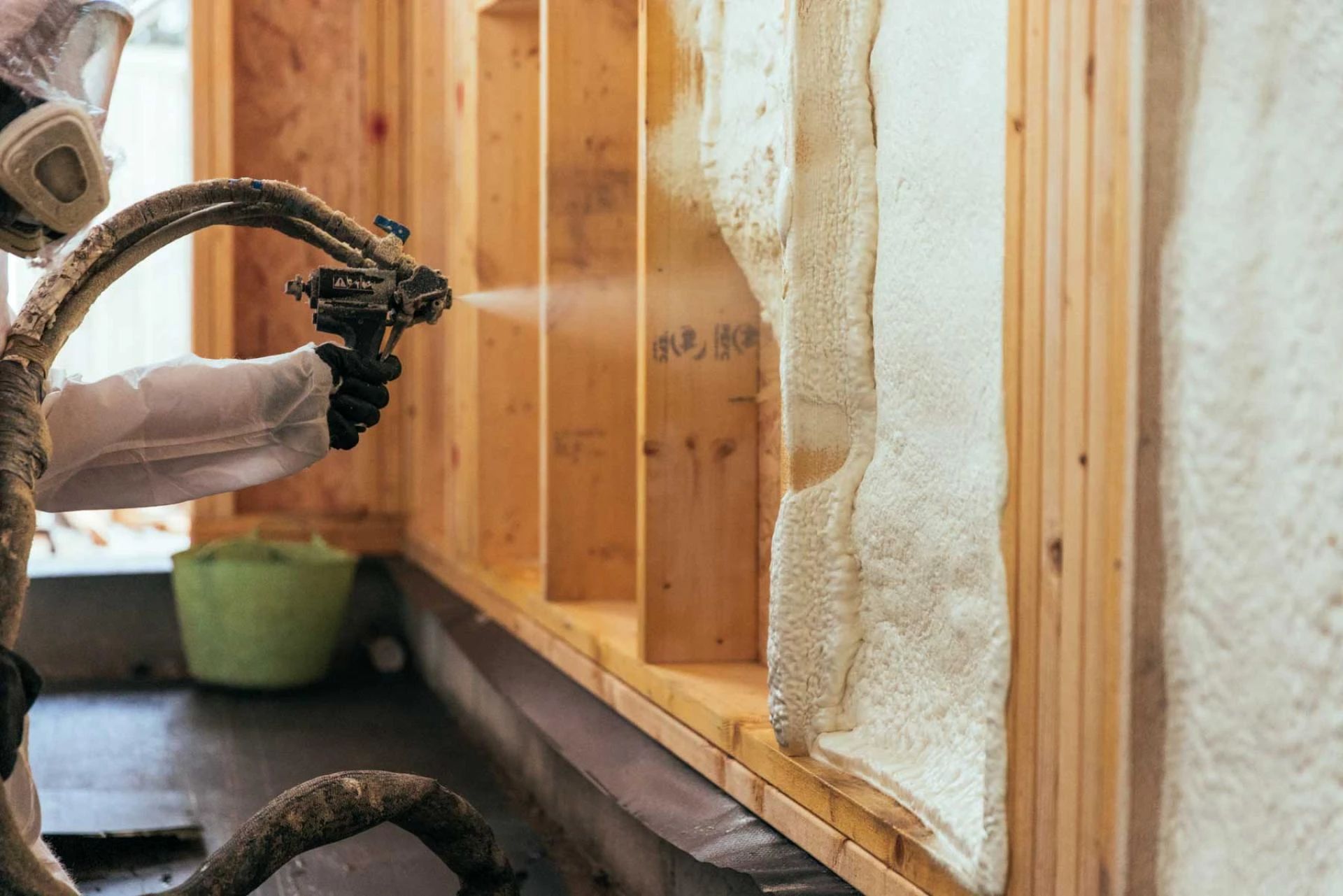

Closed-cell spray foam insulation has become a preferred choice for residential and commercial properties that require superior structural support and thermal efficiency. With its dense, rigid composition, it delivers higher R-values per inch, making it ideal for creating high-performance building envelopes. This article explores the key technical advantages of the best closed-cell spray foam insulation, including its thermal performance, structural strength, installation factors, and long-term durability.
Closed-Cell Spray Foam Thermal Performance
Closed-cell spray foam delivers high thermal resistance due to its dense, closed-cell structure. Each cell is sealed, preventing air and moisture infiltration, which allows consistent performance under varying environmental conditions.
High R-Value Density
Closed-cell foam achieves R-values between 6–7 per inch. This high thermal resistance allows thinner layers to provide equivalent insulation compared to other materials. Dense structure minimizes thermal bridging and enhances overall energy efficiency.
Moisture and Vapor Barrier Properties
The impermeable cell structure acts as a built-in vapor barrier. Closed-cell foam prevents water infiltration, protecting building materials from mold and rot while maintaining thermal efficiency even in high-humidity conditions.
Temperature Stability
Closed-cell insulation maintains its R-value across temperature extremes. Unlike some traditional materials, it resists compression and deformation, preserving performance in attic spaces, basements, and exterior walls exposed to variable climates.
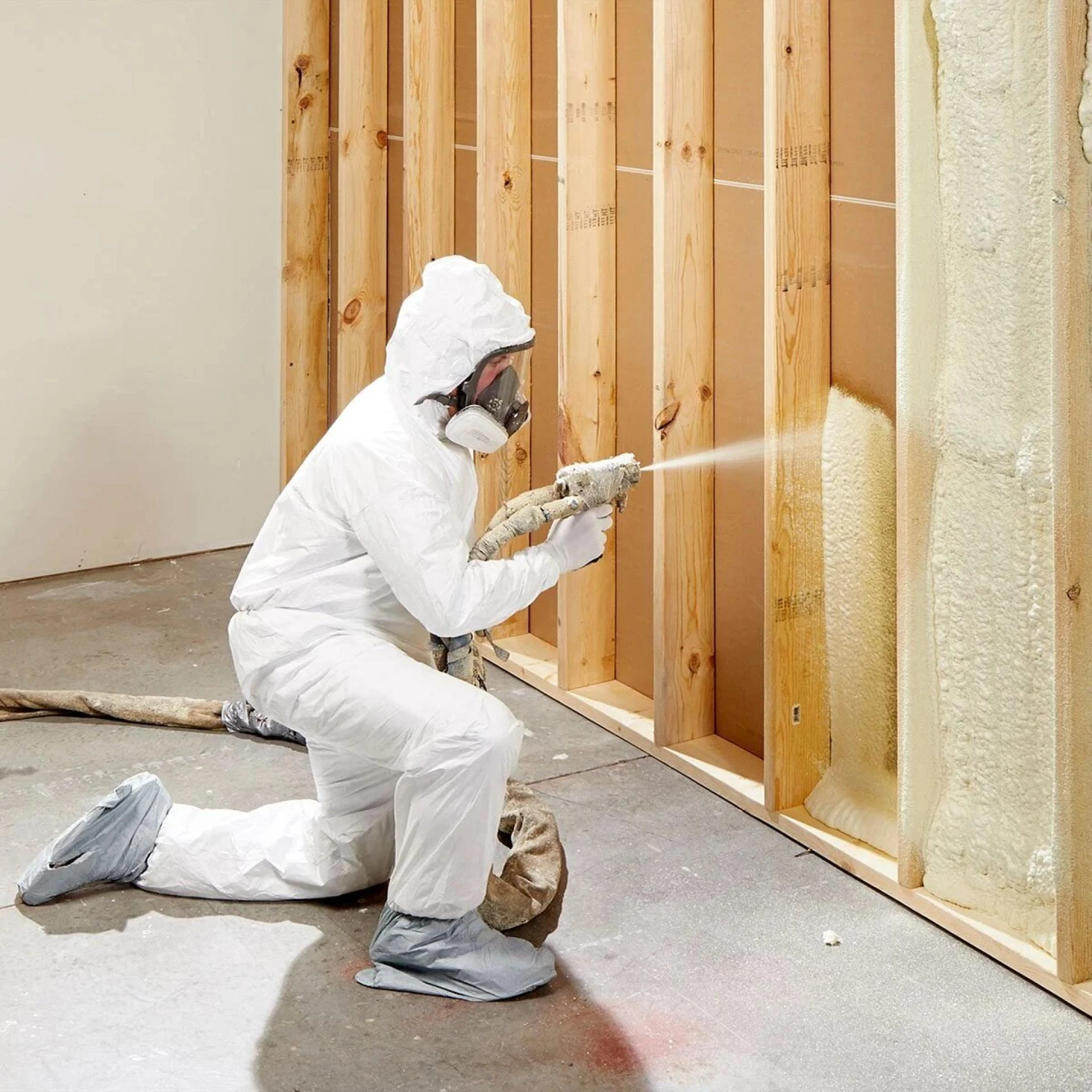
Structural Benefits of Closed-Cell Foam
Closed-cell spray foam contributes to the physical integrity of building assemblies, unlike most traditional insulation materials.
Enhanced Wall and Roof Rigidity
Applied to walls, roofs, or ceilings, closed-cell foam increases structural strength. The foam bonds to surfaces, reducing flexing and improving resistance to high wind loads and external pressure.
Load-Bearing Capacity
Though not a replacement for structural framing, the rigid foam adds minor load-bearing support. This feature is especially beneficial in light-framed or modular construction, where added rigidity can reduce deflection in panels and roof systems.
Long-Term Structural Stability
The closed-cell design prevents sagging and settling over time. Unlike open-cell foam, it retains shape, maintaining consistent insulation performance and reinforcing building assemblies for decades.
Installation Considerations for Optimal Performance
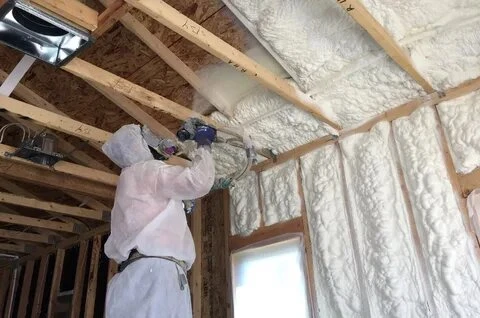
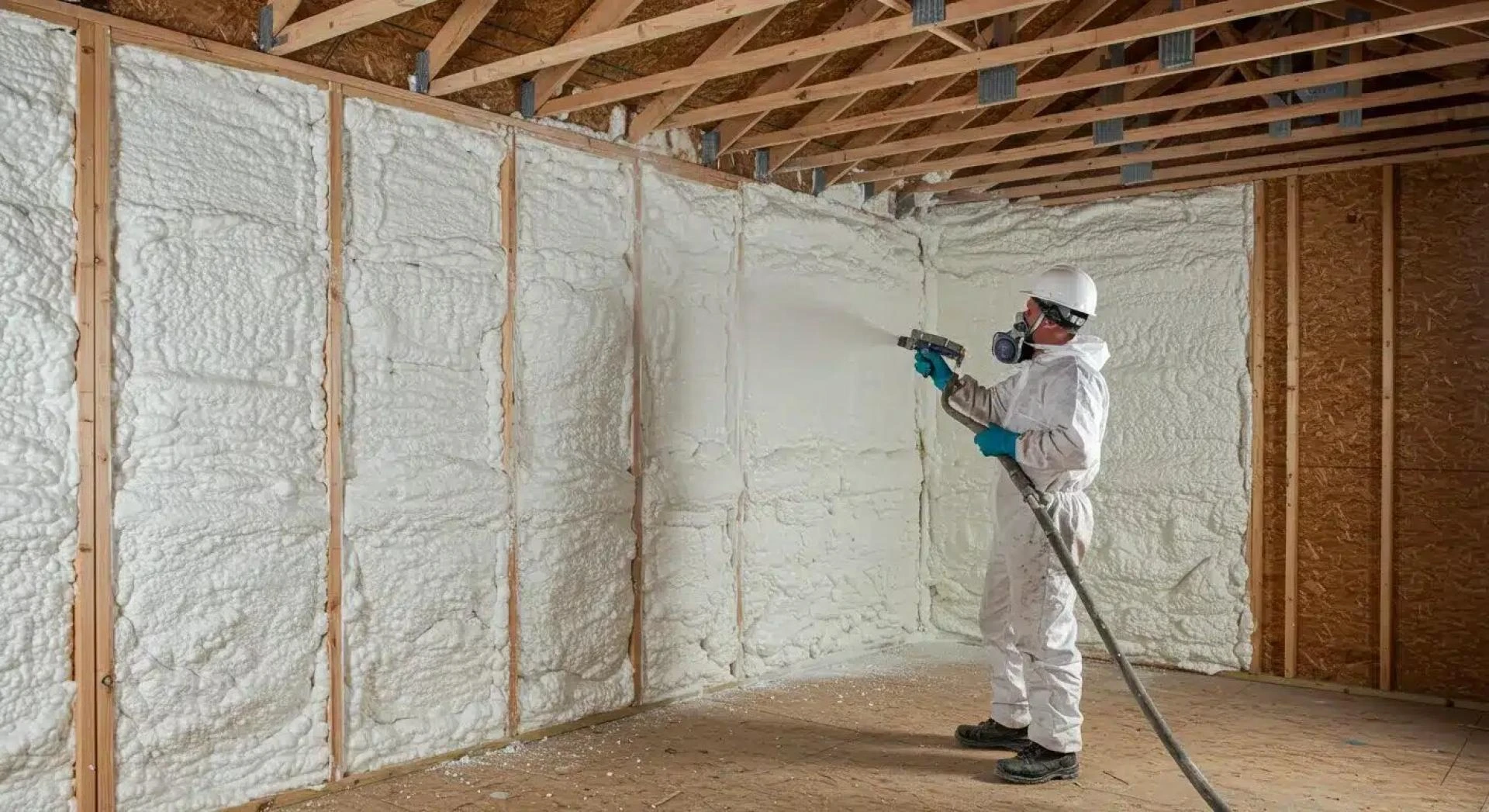
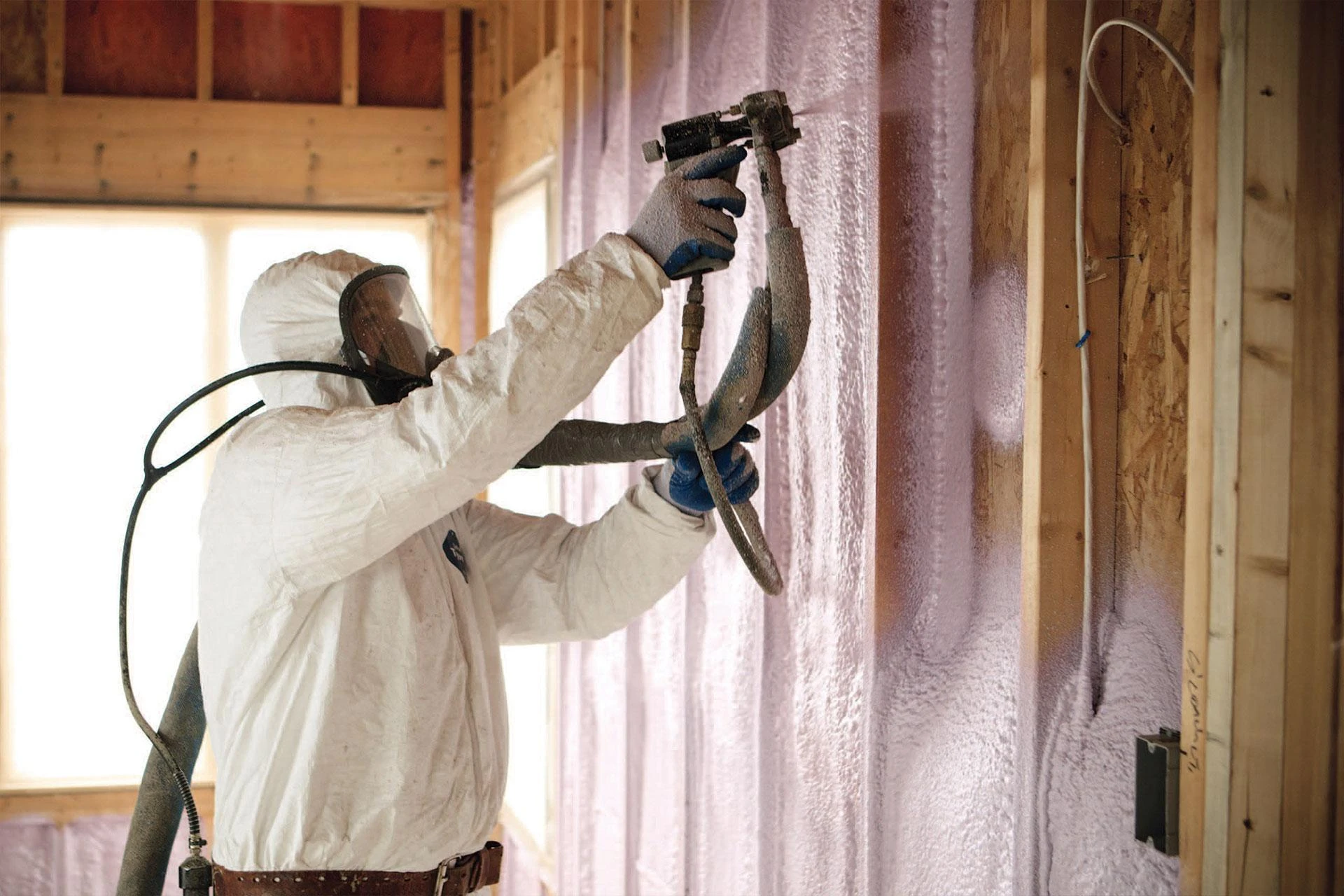
Closed-cell spray foam requires precise installation for maximum structural and thermal benefits. Correct techniques ensure uniform density, adhesion, and performance.
Surface Preparation
Surfaces must be dry, clean, and free of debris. Proper preparation ensures the foam bonds correctly to substrate surfaces, preventing gaps and air leaks.
Application Thickness
Proper layering is essential. Excessive thickness can create internal stress, while insufficient application reduces thermal performance. Consistency is critical for R-value optimization and structural contribution.
Post-Application Inspection
Infrared thermography and visual inspection confirm complete coverage. Any voids or thin spots can reduce R-value and compromise the integrity of the vapor barrier.
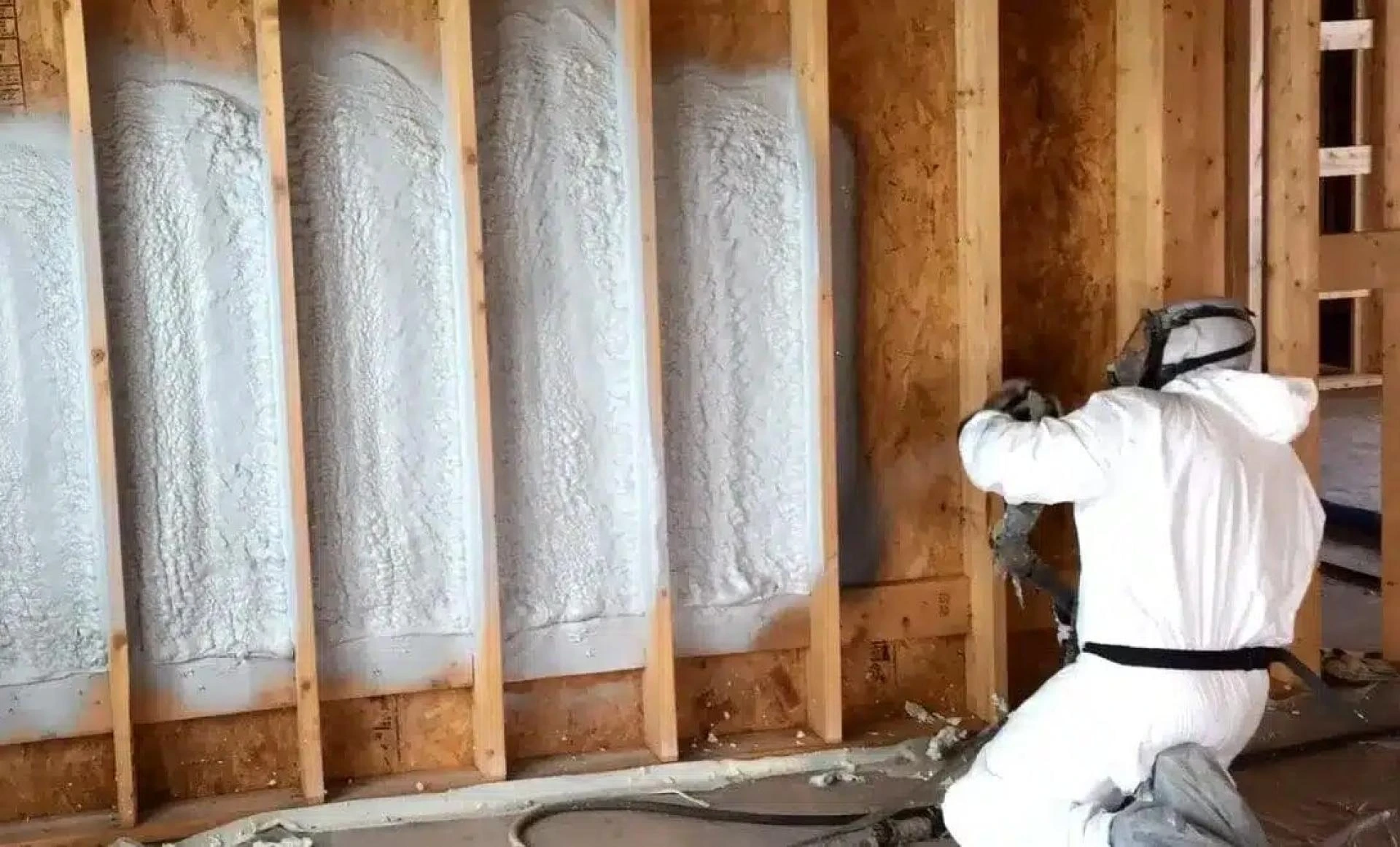
Comparison: Closed-Cell vs Open-Cell Spray Foam
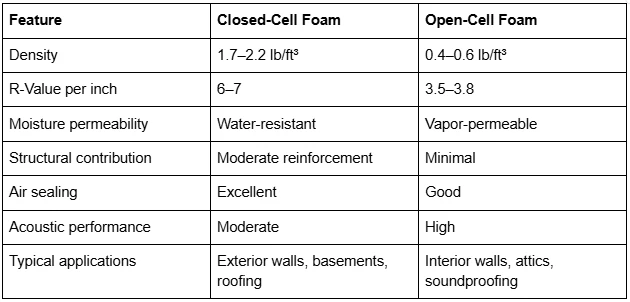
This table clarifies the trade-offs between foam types. Closed-cell foam excels in structural support, moisture resistance, and higher thermal performance, while open-cell foam provides better acoustic absorption and flexibility.
Common Questions About Closed-Cell Spray Foam
How does closed-cell foam affect building energy efficiency?
Its high R-value per inch and air-sealing ability reduce heat loss and gain, lowering energy demands for heating and cooling. Buildings maintain more stable indoor temperatures.
Can closed-cell foam prevent water damage?
The impermeable cell structure forms a built-in vapor barrier that blocks water infiltration, protecting structural materials from mold and rot.
How does closed-cell foam enhance structural strength?
The rigid foam adheres to walls and roofs, increasing resistance to flexing and wind loads. It adds minor load-bearing support in light-framed construction.
Is closed-cell foam suitable for commercial buildings?
Yes. Its thermal efficiency, vapor resistance, and structural support make it ideal for both residential and commercial applications, especially in high-performance or climate-sensitive buildings.
What are the long-term durability considerations?
Closed-cell foam retains density and R-value over decades. It resists sagging, compression, and moisture intrusion, maintaining consistent thermal and structural performance throughout its lifespan.
Conclusion
Closed-cell spray foam insulation provides dual advantages of thermal efficiency and structural support, making it a high-performance solution for both residential and commercial properties. Its dense, rigid composition ensures superior R-values, moisture resistance, and durability, contributing to long-term energy savings and building integrity.
Proper installation and post-application inspection are essential to maximize performance. Comparing closed-cell to open-cell foam highlights the distinct benefits of high-density insulation, particularly in applications requiring enhanced structural reinforcement, air sealing, and moisture management.
Learn more about at: https://www.hrfoam.com/?utm_source=backlink
FAQs
What is the R-value advantage of closed-cell foam?
Closed-cell foam achieves R-values of 6–7 per inch, providing higher thermal resistance than most traditional insulation materials and reducing the need for thicker layers.
Can closed-cell foam act as a vapor barrier?
Yes. Its impermeable structure prevents water infiltration, protecting building assemblies from moisture damage and maintaining consistent thermal performance.
Does closed-cell foam add structural strength? It reinforces walls, roofs, and ceilings, improving rigidity and resistance to wind or external pressure, although it does not replace load-bearing framing.
How should closed-cell foam be installed for optimal performance?
Surfaces must be clean and dry, with consistent application thickness. Post-installation inspection ensures uniform coverage and maximum R-value.
Is closed-cell foam suitable for extreme climates?
Yes. It retains R-value and structural integrity across temperature extremes and is resistant to moisture, making it reliable in both hot and cold environments.
Author: With 15 years of banking experience and five years managing H&R Foam Insulation, Edith is passionate about building strong relationships with customers. Her favorite part of the role is connecting with clients and ensuring their needs are met as she works alongside them to improve the health, comfort, and energy efficiency of their homes.
Reviewer: With 7 years in the spray foam insulation business, Ella Adams offered useful feedback on this post, helping make sure the tips were both realistic and easy to apply.



























Sign in to leave a comment.