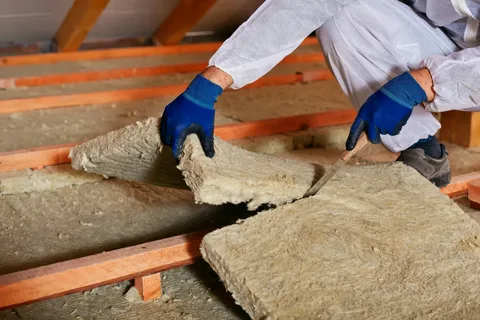

When people plan a renovation, they usually picture the new finishes, updated layouts, and modern features. What they don’t often think about is what’s hidden inside the walls and ceilings. Old insulation might seem harmless, but leaving it in place during a major renovation can cause problems you won’t notice until it’s too late.
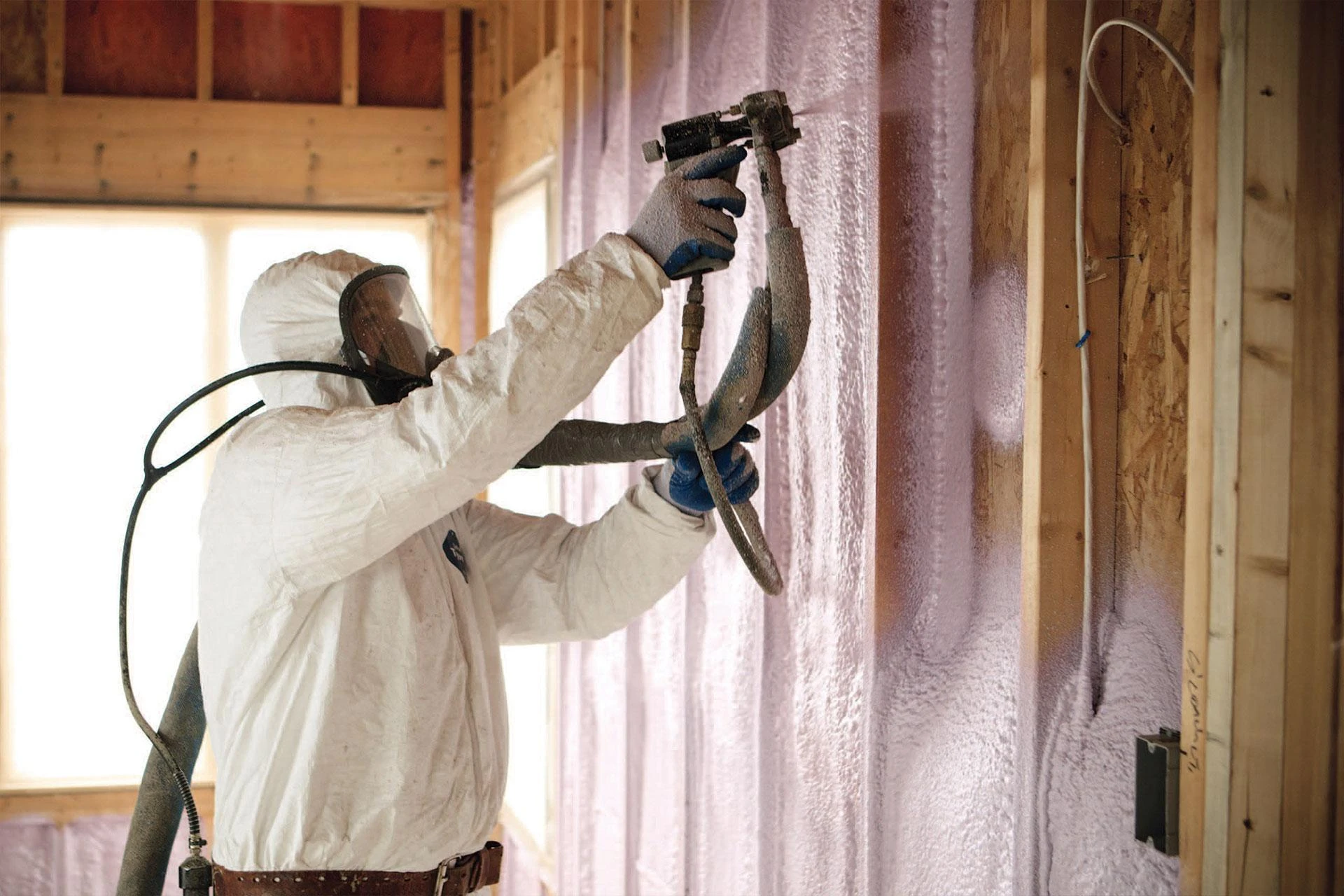
Taking insulation out before the work begins—especially through professional insulation removal—gives you a clear look at the structure, makes it easier to spot repairs that need to be done, and creates a safer space for everyone working on the project.
Why Old Insulation Should Come Out First
Pulling out old insulation before demolition or remodeling isn’t just about making room—it’s about uncovering what you can’t see.
Access to Hidden Structural Issues
Insulation can cover up signs of water damage, insect infestations, or weakened framing. If those problems stay hidden, they can keep getting worse under your brand-new upgrades.
Health and Safety Considerations
Older insulation can contain materials that aren’t safe to disturb, like asbestos or degraded fiberglass. Construction work can stir up these fibers, sending them into the air where they’re easy to inhale.
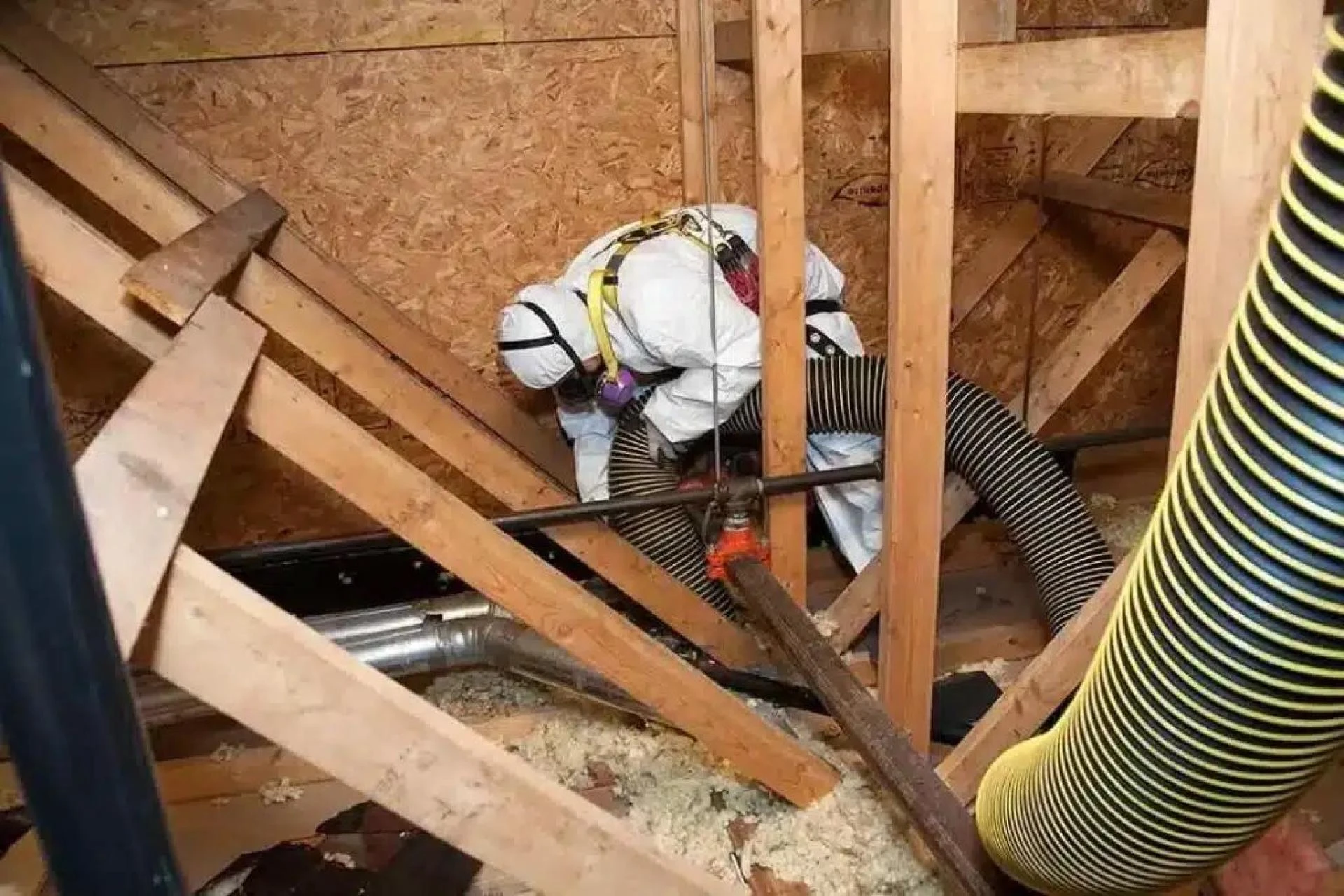
How Insulation Removal Can Improve Renovation Quality
Leaving insulation in place limits what you can do with a remodel and can lead to headaches down the road.
Better Installation of New Systems
When insulation is out of the way, it’s easier to run new electrical lines, plumbing, or HVAC ducts. There’s less risk of damaging fresh insulation later because everything is installed in a clean, open space.
Moisture and Air Sealing Improvements
Renovation is the perfect time to seal air leaks and fix moisture problems. With insulation removed, you can clearly see gaps around framing, pipes, and vents, and seal them before adding new material.
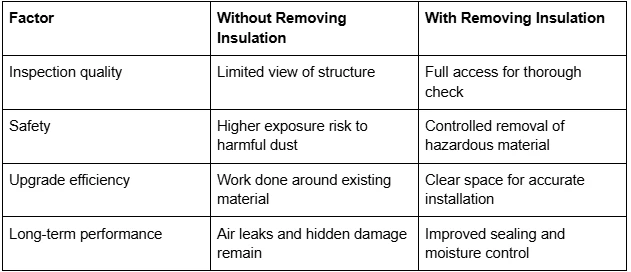
Comparing Renovation Outcomes
When Insulation Removal Matters Most
While it’s helpful in most remodels, there are situations where it’s even more important to clear it out.
Major Layout Changes
If walls are being moved or rebuilt, removing insulation first keeps demolition cleaner and prevents old, damaged material from spreading into other parts of the building.
Significant Moisture Damage
Leaks, flooding, or high humidity can leave insulation damp. This creates a perfect environment for mold, which can spread quickly if not addressed.
Energy Efficiency Upgrades
If you’re investing in high-performance insulation, it needs a clean, open space to work as intended. Old material left behind can reduce its effectiveness.
Where It Fits in the Renovation Timeline
Insulation removal happens early in the process—right after inspection and before any major construction starts.
Initial Inspection
Walk through the building with an experienced eye to spot where insulation needs to be removed, especially in attics, basements, and behind walls scheduled for demolition.
Safe Removal
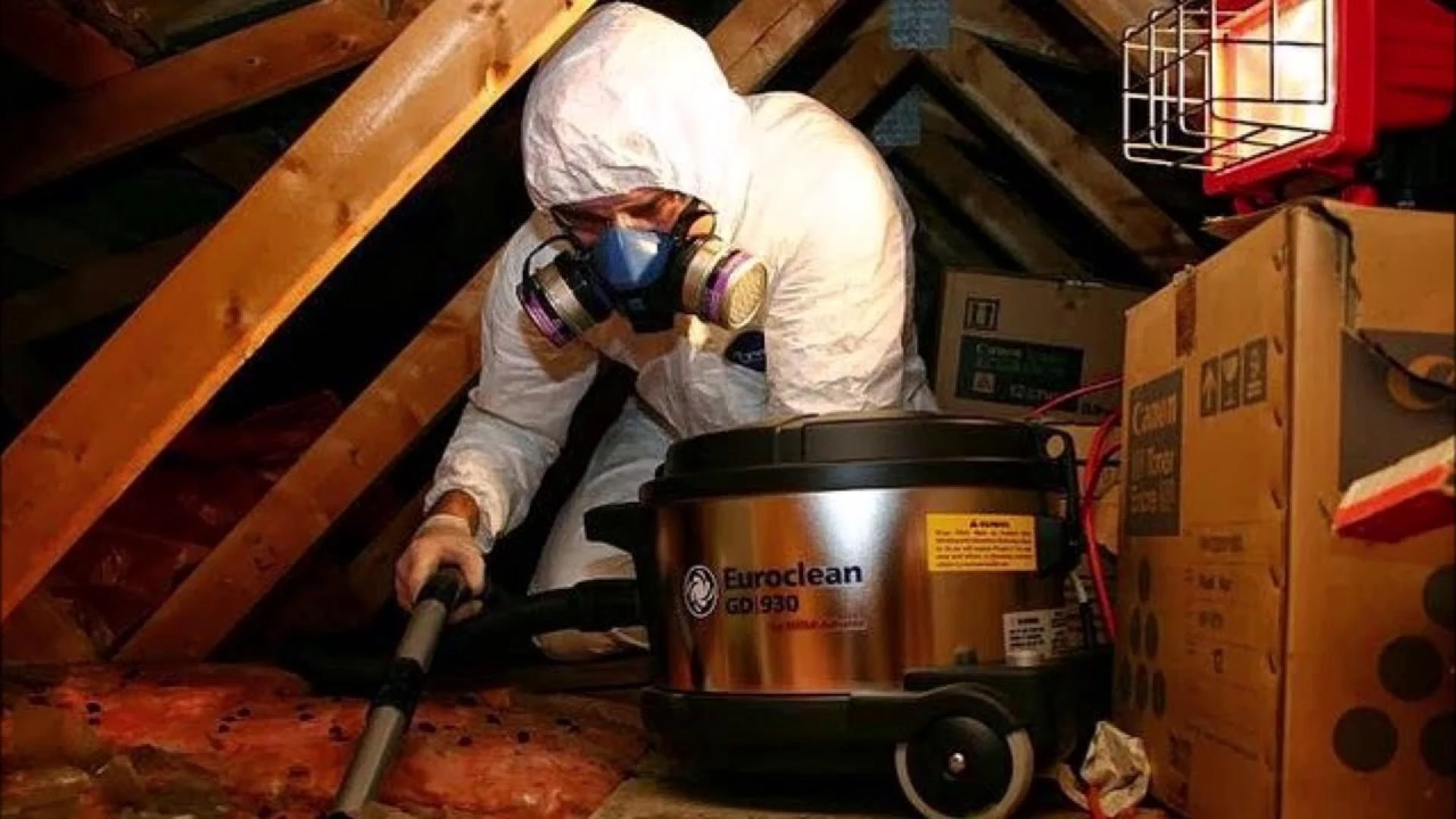
Use the right tools and methods to contain dust and fibers, especially when working with older materials.
Preparing for New Work
Once the insulation is gone, framing repairs, air sealing, and system installations can happen without obstacles.
Conclusion
Taking insulation out before a major renovation sets the stage for a cleaner, safer, and more effective project. It allows you to uncover hidden problems, reduce health risks, and make the most of your upgrades. Whether it’s a home or a commercial building, starting fresh with insulation means fewer surprises later and a stronger, more efficient finished space.
Learn more about at: https://www.hrfoam.com/?utm_source=backlink
FAQs
Why remove insulation before starting renovations?
It exposes the structure so you can check for damage, removes possible hazards, and makes it easier to install new systems.
Can I keep insulation in place if I’m not working on certain walls?
You can, but any wall being opened up should have insulation removed to prevent contamination and ensure clean work.
Does removing insulation help with energy savings?
Yes. It allows you to replace old, settled, or damaged material with something more effective, especially when paired with air sealing.
Is it worth doing in commercial projects?
In most large projects, yes. It improves access for trades, helps meet safety requirements, and ensures systems are installed properly.
How can I tell if my insulation is dangerous to remove?
A professional can test it for asbestos or other hazardous materials before any work begins.
Author: With 15 years of banking experience and five years managing H&R Foam Insulation, Edith is passionate about building strong relationships with customers. Her favorite part of the role is connecting with clients and ensuring their needs are met as she works alongside them to improve the health, comfort, and energy efficiency of their homes.
Reviewer: With 7 years in the spray foam insulation business, Ella Adams offered useful feedback on this post, helping make sure the tips were both realistic and easy to apply.


























Sign in to leave a comment.