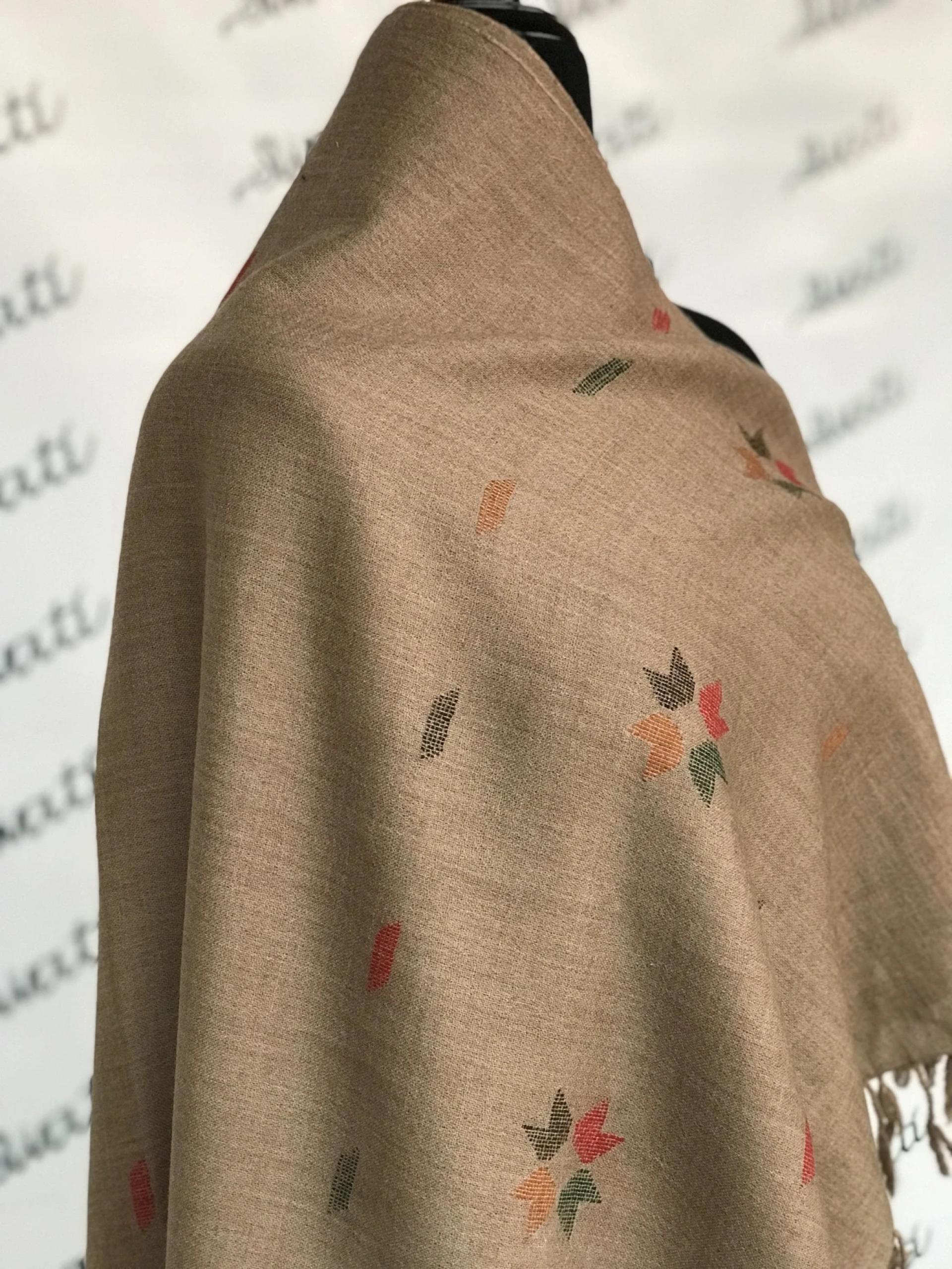

A shawl is more than just a piece of fabric—across centuries and continents, it has been a symbol of identity, artistry, warmth, and graceful self-expression. From the intricate woolen weaves of Kashmir to the delicate lace wraps of Europe, shawls hold a unique place in human history as functional garments enriched with cultural meaning.
Origins and Cultural Significance
Shawls have been worn for thousands of years. Early records from ancient Mesopotamia, the Indus Valley, and Persia describe people draping woven fabrics across their shoulders for warmth and modesty. Over time, these simple garments evolved into elaborate textiles that reflected the identity, craftsmanship, and heritage of the communities that created them.
One of the most celebrated traditions is the Kashmiri shawl, made from the fine undercoat of Pashmina goats. These shawls were prized by royalty across Asia and Europe for their luxurious softness and detailed hand-embroidered patterns. In Spain, the embroidered mantón de Manila became an icon of feminine elegance, while in Peru, brightly colored Andean shawls (known as mantas) developed as part of indigenous dress and ritual.
Each region’s shawl tells a story—of its people, its landscape, and its legacy of craftsmanship.
Materials and Techniques
Shawls are crafted from a wide variety of fibers, each chosen for its texture, warmth, and aesthetic appeal:
- Wool and Pashmina: Renowned for insulation, comfort, and fine texture.
- Silk: Smooth, lightweight, and luxurious, often used in evening or ceremonial shawls.
- Cotton: Soft, breathable, and ideal for everyday use.
- Cashmere blends: Combining warmth with durability.
- Synthetic fibers: Affordable and versatile for mass-market fashion.
Techniques vary widely as well. Handloom weaving, jacquard weaving, tie-dye (such as the Indian bandhani), embroidery, lace-making, and digital printing all contribute to the diversity of modern shawls. In many places, the process is still a livelihood for skilled artisans who pass their techniques down through generations.
Shawls in Modern Fashion
In contemporary fashion, shawls remain enduring accessories. Their adaptability keeps them relevant across seasons and styles. They can serve as:
- A functional warm layer during winter
- An elegant wrap for evening wear
- A modest covering for spiritual or cultural occasions
- A fashion statement when paired with casual clothing
Designers continue to reinterpret shawls with modern prints, sustainable materials, and multifunctional forms. The growing interest in handwoven and ethically crafted textiles has also revived attention to traditional shawl-making communities.
Symbolism and Emotional Value
Beyond aesthetics, shawls often carry emotional and symbolic meaning. They are passed down as heirlooms, gifted at weddings, worn during celebrations, and preserved as treasured memories. A shawl can represent warmth, protection, and affection—qualities that make it more than just clothing.
Conclusion
The shawl is a simple garment with a rich global history. It embodies the ingenuity of artisans, the cultural heritage of communities, and the timeless desire for beauty and comfort. Whether draped for fashion, warmth, or tradition, the shawl remains a versatile and cherished companion in human life.



























Sign in to leave a comment.