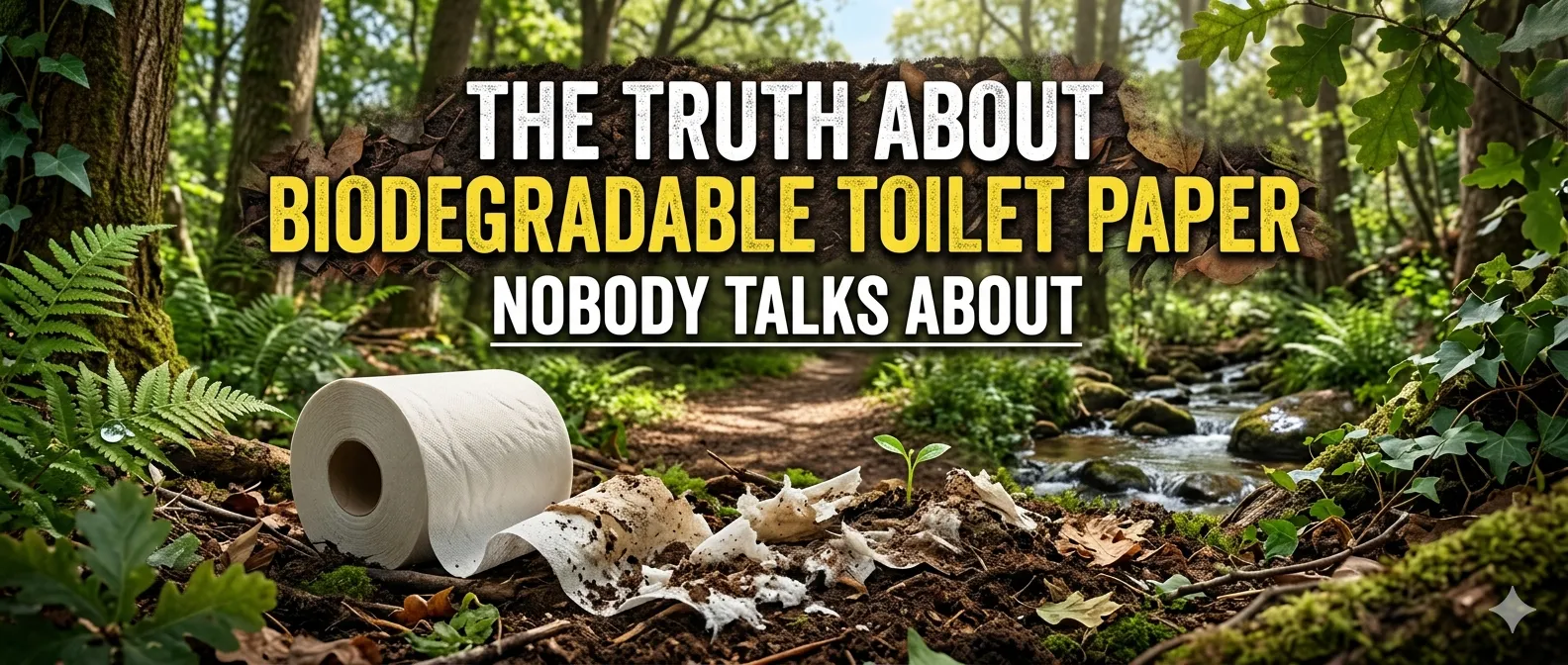
Most people don't think about what happens after they flush. That makes sense; out of sight, out of mind is a natural human instinct. But if you're someone who has started paying attention to environmental impact in other areas of your life, it's worth turning that attention toward one of the most frequently used products in your home: toilet paper.
The phrase "biodegradable toilet paper" gets thrown around a lot in eco-friendly product circles, but it's worth examining what it actually means and why not all biodegradable options are created equal.
For a curated look at their full bamboo range, the best bamboo products collection gives you a clear picture of what's available: https://www.lovelypoopoo.com/collections/best-bamboo-paper-products
What Does Biodegradable Actually Mean?
In the broadest sense, something is biodegradable if it can be broken down by microorganisms (bacteria, fungi, and other natural agents) into basic organic matter over time. Almost everything eventually breaks down. The question is how quickly and what remains in the process.
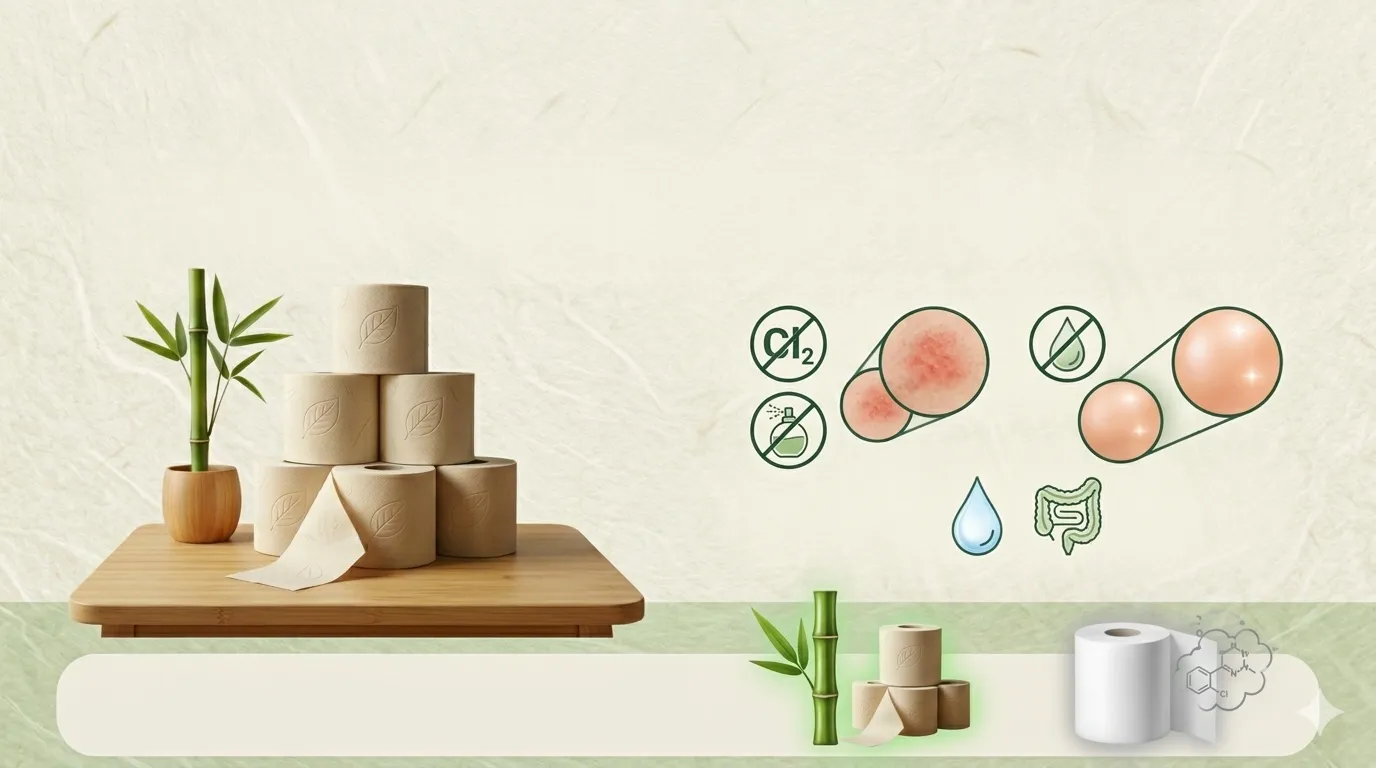
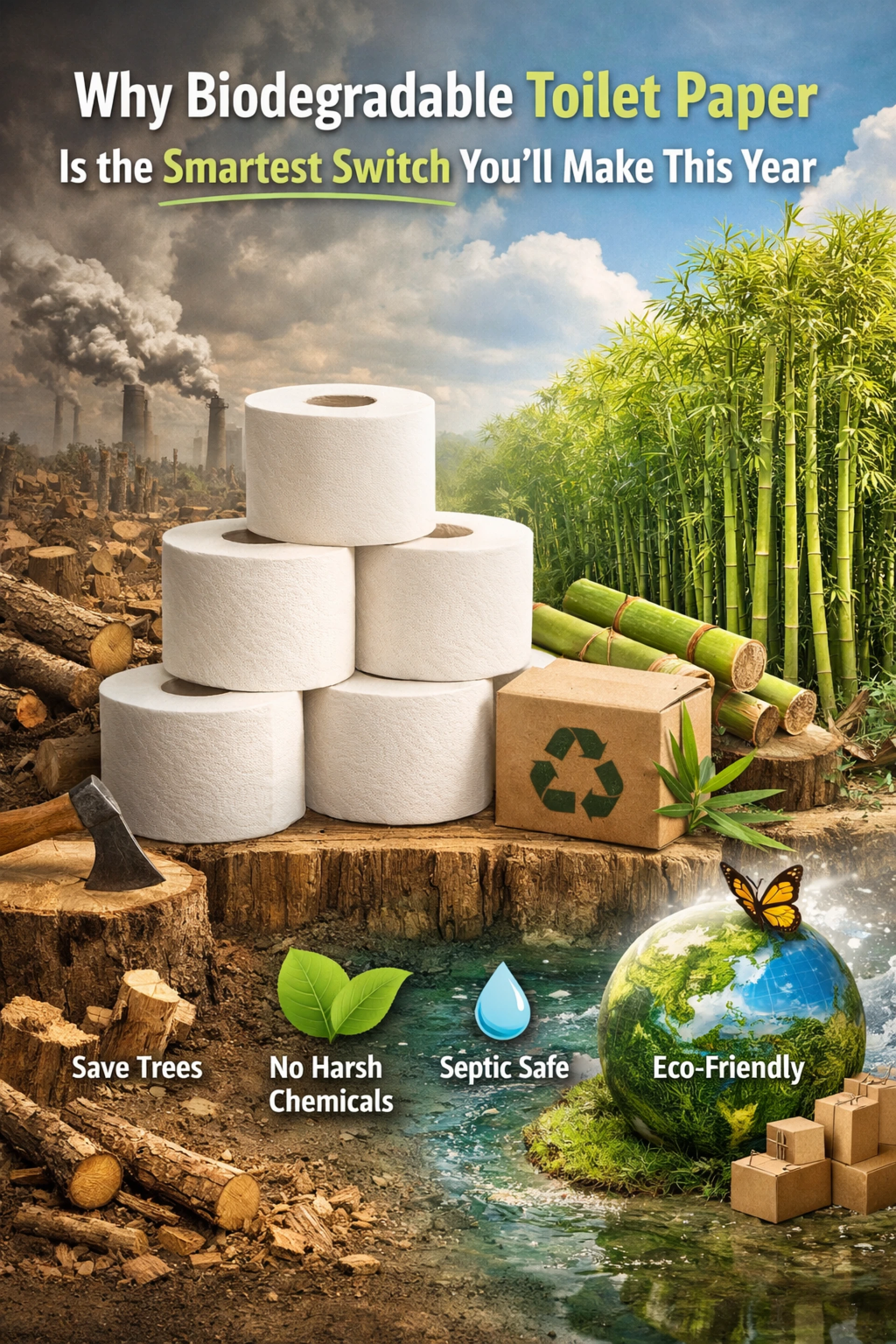
Standard toilet paper, made from virgin tree pulp, does biodegrade. But the chlorine bleaching process, the use of chemical softeners, and the synthetic fragrances added to many brands introduce compounds that slow the breakdown process and can persist in wastewater treatment systems. In areas with less sophisticated treatment infrastructure, this becomes a more significant concern.
Bamboo-based toilet paper, by contrast, tends to break down more efficiently because it starts with fewer chemical treatments. The fiber structure of bamboo is different from wood pulp; it's naturally strong, which means manufacturers don't need to add as many chemical reinforcements to produce a durable sheet.
The Lovely Poo Poo Difference
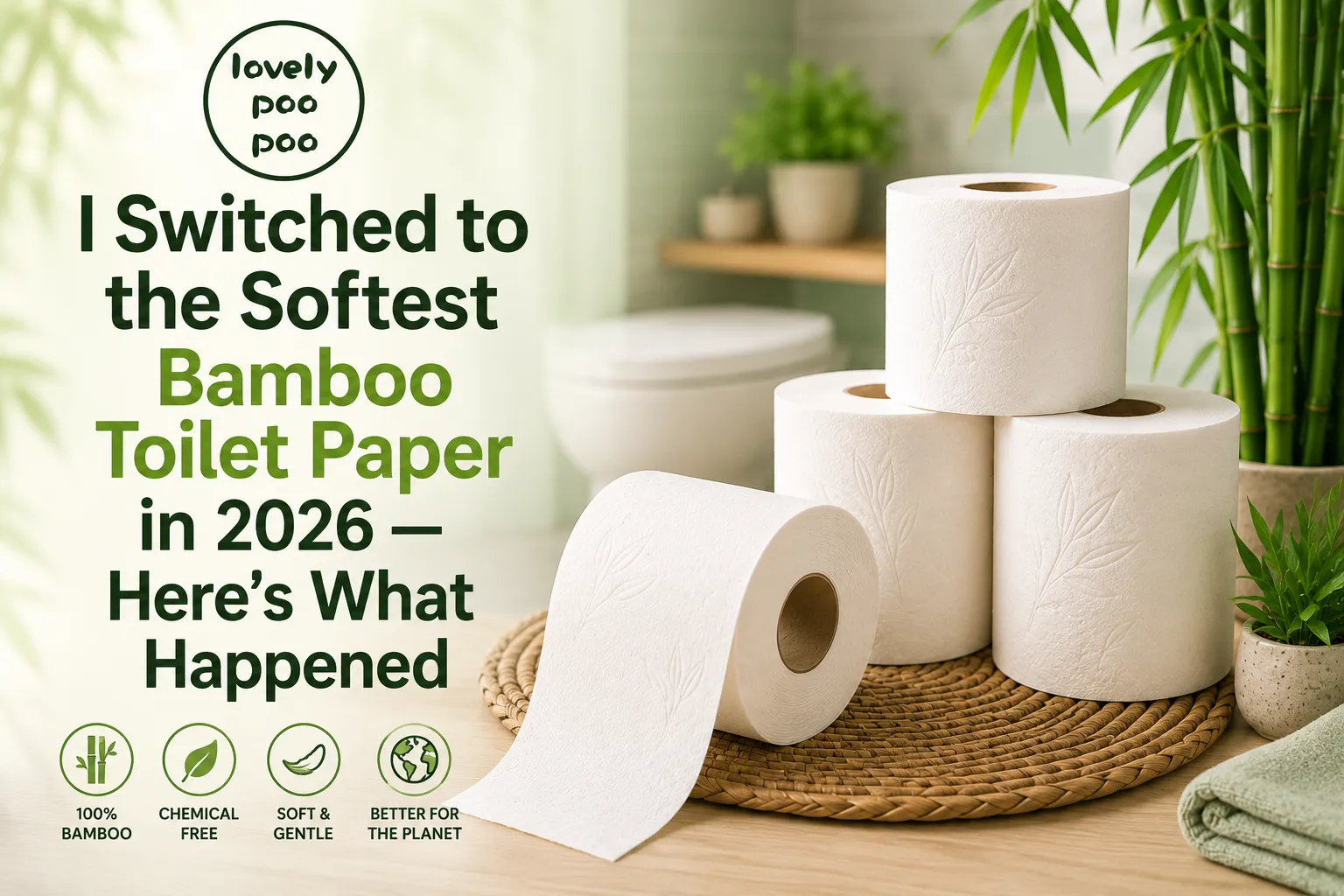
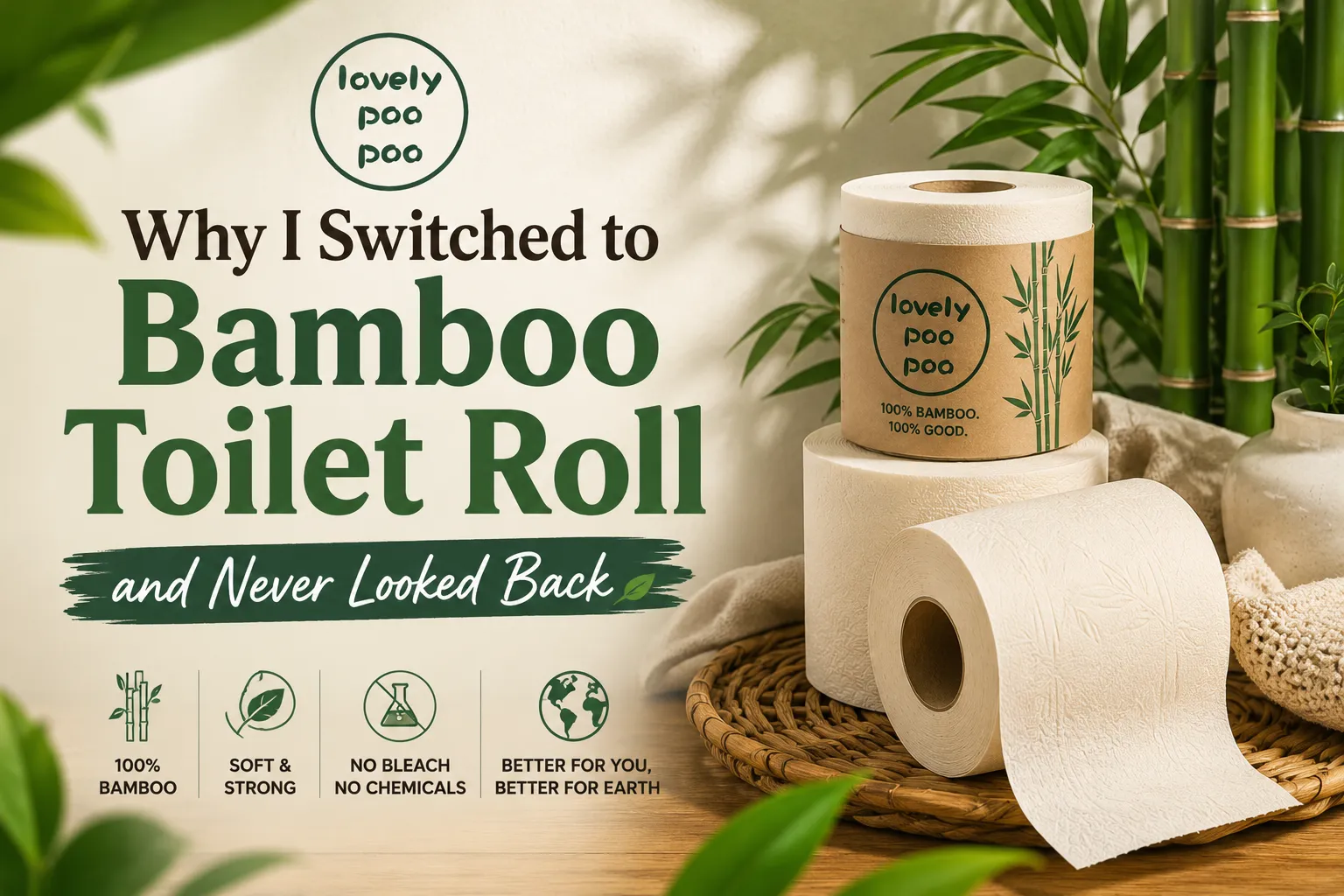
Lovely Poo Poo has built their entire product line around this principle. Their bamboo toilet paper contains no chlorine bleach, no synthetic fragrances, no BPA, and no formaldehyde all of which are found in some conventional toilet paper brands. The result is a product that not only biodegrades more cleanly but is also gentler on skin during use.
This is especially relevant for families with young children, people with sensitive skin, or anyone who has ever experienced irritation from conventional toilet paper and just assumed that was normal. It's not. In many cases, the culprit is the chemical residue left behind on sheets that have been heavily bleached and treated.
Why the "Best Biodegradable" Label Matters
If you search for the best biodegradable toilet paper, you'll find a crowded field. Some brands claim eco-credentials that are hard to verify. Others use recycled paper rather than bamboo, which is a different category entirely, with its own set of trade-offs around fiber quality and breakdown efficiency.
Bamboo is not a recycled material. It's a fresh, renewable resource that grows back after harvest without needing to be replanted. When Lovely Poo Poo says their product is made from 100% bamboo, that means the raw material itself is inherently more sustainable than recycled paper, which still requires significant processing to become a usable product.
And if you want to understand more about why bamboo beats conventional toilet paper on environmental grounds, the Lovely Poo Poo news blog has detailed posts on exactly this topic: https://www.lovelypoopoo.com/blogs/news
The Practical Side of Switching
I've heard people say they worry that making an eco-friendly switch means accepting lower performance. With toilet paper especially, people get defensive about their brand. Understandably so, it's a personal item, and comfort matters.
What I can tell you is that after several months of using Lovely Poo Poo, there has been no compromise in that area. The sheets are two-ply, they hold up well, and the texture doesn't feel rough or harsh. The rolls are also a consistent size, which sounds like a small thing but matters when you're comparing value across products that vary significantly in sheet count and dimensions.
Buying in bulk, particularly the 24-roll or 48-roll bundles, makes the switch genuinely economical. The per-roll cost drops substantially, and you're not running to the store every week. For a household product you'll use every single day, that convenience is real.
Making an Informed Choice
Switch to 100% bamboo toilet paper, gentle on skin, kinder to the planet. Shop best-sellers and save with bulk bundles. If you're ready to explore the options, start with the homepage at Lovely Poo Poo: https://www.lovelypoopoo.com/
FAQ
Q1: Is biodegradable toilet paper the same as septic-safe toilet paper?
A: They often overlap, but not always. Lovely Poo Poo's bamboo toilet paper is both biodegradable and septic-safe—it dissolves efficiently in water and doesn't contribute to blockages or system overload.
Q2: What makes bamboo more biodegradable than recycled paper?
A: Bamboo fiber breaks down naturally with fewer chemical residues because it requires less processing than recycled paper. Recycled paper often involves additional de-inking and bleaching steps that can leave behind compounds that slow biodegradation.
Q3: Is Lovely Poo Poo's toilet paper certified eco-friendly?
A: Lovely Poo Poo's products are made from 100% bamboo without chlorine bleach, synthetic fragrances, or BPA. You can review their product specifics on their website for full transparency.
Q4: Does biodegradable toilet paper break down in a standard toilet?
A: Yes. Bamboo toilet paper is designed to disintegrate efficiently in water, making it suitable for standard household plumbing.
Q5: How does the cost of biodegradable bamboo toilet paper compare to regular brands?
A: On a per-roll basis, bamboo toilet paper can cost slightly more than budget conventional brands. However, bulk purchasing significantly closes that gap, and many households find the quality difference justifies any small price difference.





















Sign in to leave a comment.