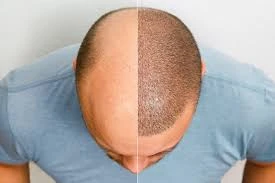

A thick, full beard is more than just facial hair—it’s a symbol of masculinity, style, and confidence. But not everyone is blessed with naturally dense beard growth. Genetics, hormonal imbalances, scars, or medical conditions can lead to patchy or thin beards. Thankfully, medical advances in hair restoration—particularly robotic hair surgery—are offering transformative solutions. This blog delves into the truth behind beard transplant before and after results, helping you understand what to expect, how it works, and whether it’s right for you.
Understanding Beard Transplant Surgery
A beard transplant involves moving healthy hair follicles, typically from the back of the scalp (the donor area), and implanting them into the beard area where growth is sparse. The two most commonly used techniques are:
- FUE (Follicular Unit Extraction): Individual hair follicles are extracted and placed into tiny incisions in the beard area.
- FUT (Follicular Unit Transplantation): A strip of scalp is removed, and the hair follicles are separated and transplanted.
However, a modern advancement is reshaping this procedure—robotic hair surgery.
What Is Robotic Hair Surgery?
Robotic hair surgery, such as the ARTAS® Robotic System, uses artificial intelligence to assist with harvesting and implanting follicles. It allows for:
- High precision with minimal human error
- Reduced scarring
- Faster recovery
- Consistent and natural-looking results
This technique is particularly beneficial in beard transplants, where symmetry and natural hair direction are critical.
Beard Transplant Before and After: What to Expect
When evaluating beard transplant before and after transformations, it's important to manage expectations and understand the stages of the process:
1. Pre-Surgery Evaluation
Before the transplant, a consultation with a hair restoration specialist will determine your suitability. They will assess:
- Beard goals and style preferences
- Donor hair quality and density
- Skin type and healing tendencies
Photos may be taken to document your current beard status for before and after comparison.
2. The Procedure
On the day of the surgery:
- Local anesthesia is applied
- Hair follicles are harvested (robotically or manually)
- Tiny recipient sites are created in the beard area
- Follicles are implanted following natural growth patterns
The process may take 4–8 hours depending on the number of grafts needed.
3. Post-Surgery Recovery
- Mild swelling or redness is common
- Tiny scabs may form around each follicle
- Avoid shaving for 10–14 days
- Most patients resume normal activities within 2–3 days
4. Results Timeline
- 0–2 Weeks: Initial healing and shedding of transplanted hairs
- 1–3 Months: Dormant phase—new growth isn’t visible yet
- 3–6 Months: Gradual appearance of new beard hairs
- 6–12 Months: Full results visible with thicker, styled beard
It’s crucial to compare before and after pictures taken at the 12-month mark for a true transformation.
Realistic Before and After Results
Beard transplant results vary from person to person based on:
- Number of grafts used (often 2,000–5,000 follicles)
- Precision of placement (robotic surgery often yields more natural density)
- Healing response and post-op care
Patients who opt for robotic hair surgery often report faster healing and more uniform growth, especially along the jawline and cheeks.
Cost and Considerations
A beard transplant isn’t a quick fix; it’s a surgical commitment. Costs in the U.S. typically range between $5,000–$15,000 depending on:
- Surgeon experience
- Technology used (robotic systems may be more costly)
- Number of grafts required
Some insurance may cover it if hair loss is due to injury or medical conditions.
Is It Worth It?
When done by a qualified surgeon—especially with robotic assistance—the results can be life-changing. Many men report:
- Boosted confidence
- Ability to style their beard freely
- Natural, undetectable results
However, it’s important to choose a clinic that provides a portfolio of beard transplant before and after photos so you can evaluate their success rates.
Final Thoughts
The evolution of hair restoration—from manual FUE to robotic hair surgery—has revolutionized beard transplants. Today, men struggling with patchy or uneven beards have a real, lasting solution. While it requires patience and investment, the before and after results speak for themselves—natural growth, improved facial symmetry, and newfound confidence.





























Sign in to leave a comment.