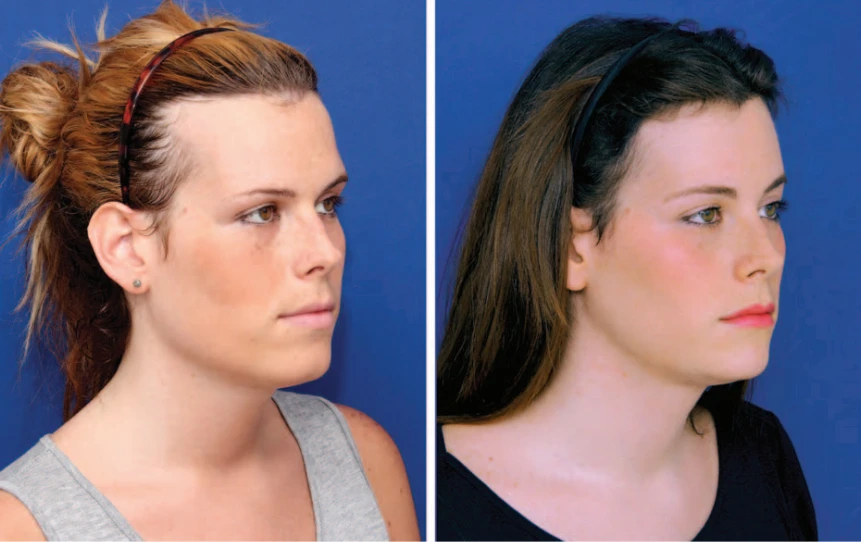

Hair plays a powerful role in how we perceive ourselves and how others perceive us. For many transgender individuals, hair is more than just a cosmetic feature—it’s an essential part of gender identity and expression. A transgender hair transplant can be a life-affirming solution that bridges the gap between dysphoria and empowerment, giving individuals the confidence and self-image they deserve.
Understanding Gender Dysphoria and Hair Loss
Gender dysphoria is the psychological distress that results from a mismatch between one’s assigned gender at birth and their true gender identity. For transgender people, certain physical traits—including hair patterns—can trigger or amplify this dysphoria.
For transgender women (MTF), male-pattern baldness can be deeply distressing, as it reinforces the features associated with the gender they are transitioning away from. For transgender men (FTM), inconsistent beard growth or sparse facial hair can interfere with affirming a masculine appearance.
A transgender hair transplant addresses these challenges directly, creating more feminine or masculine hairlines and improving facial or scalp hair density in line with the individual’s gender identity.
What Is a Transgender Hair Transplant?
A transgender hair transplant is a customized hair restoration procedure tailored specifically to the goals of transgender patients. It typically involves:
- Scalp Hairline Feminization (MTF): Creating a rounded, lower hairline to soften and feminize the facial structure.
- Beard and Facial Hair Creation (FTM): Transplanting hair to areas like the jawline, upper lip, cheeks, and sideburns to develop a masculine facial hair pattern.
- Eyebrow Reconstruction: Reshaping and thickening eyebrows for a gender-affirming look.
- Chest or Body Hair Transplants: Less common but sometimes desired by FTM patients.
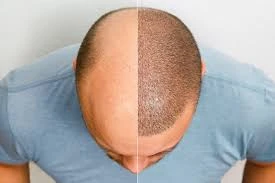
These procedures are conducted using advanced techniques like Follicular Unit Extraction (FUE) or robotic hair transplant systems, which ensure precision, minimal scarring, and natural results.
The Role of Robotic Hair Surgery in Culver City
In Culver City, a hub for modern aesthetic procedures in Southern California, robotic hair surgery has emerged as a leading-edge option for transgender individuals seeking high-precision hair restoration. Using technologies such as the ARTAS® Robotic System, clinics in Culver City offer:
- Automated Graft Harvesting: Minimizing human error and trauma to donor hair.
- Natural Hairline Design: Custom mapping and placement tailored to feminine or masculine aesthetics.
- Faster Recovery Time: With minimal scarring and reduced discomfort.
This makes Culver City robotic hair surgery an ideal choice for transgender patients who want both artistry and innovation in their hair transplant journey.
Why Choose a Hair Transplant During Transition?
For many trans individuals, hormone replacement therapy (HRT) significantly alters their hair patterns. Estrogen may slow or stop hair loss in MTF patients, while testosterone can stimulate facial and body hair in FTM patients. However, these hormonal changes don’t always meet expectations, particularly for those with:
- Advanced hair thinning or baldness (MTF)
- Sparse or patchy facial hair growth (FTM)
- Genetic predisposition to hair loss
- Scarring or uneven growth areas
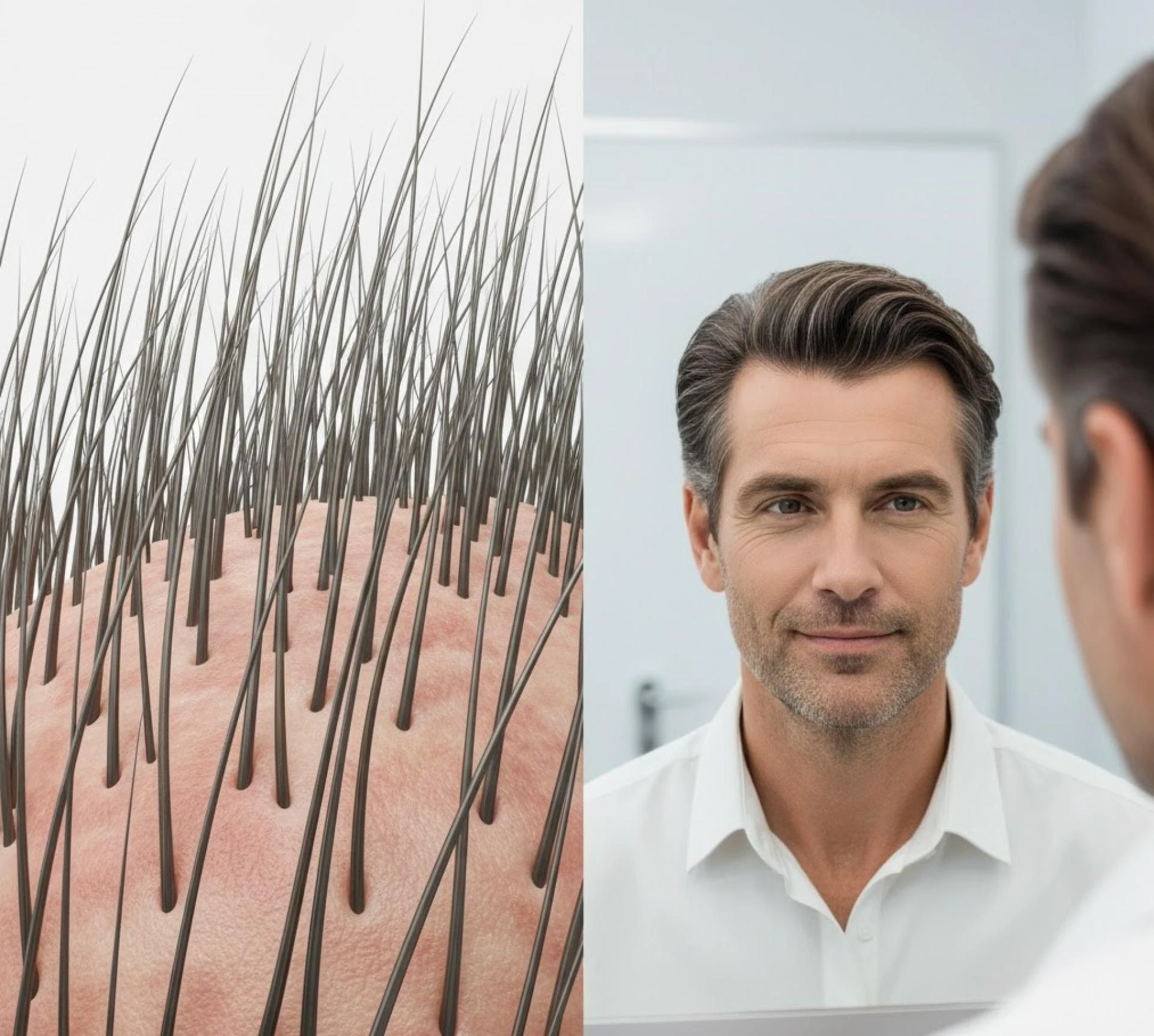
A transgender hair transplant bridges these gaps, delivering results that hormones alone cannot achieve. The procedure becomes not just cosmetic but deeply psychological—helping individuals see in the mirror what they feel inside.
What to Expect: Consultation to Recovery
The transgender hair transplant journey typically involves:
- Consultation: Discussing your transition goals, assessing donor areas, and mapping your desired hairline or facial hair growth pattern.
- Custom Plan Design: Creating a personalized treatment plan, including how many grafts are needed and where they’ll be placed.
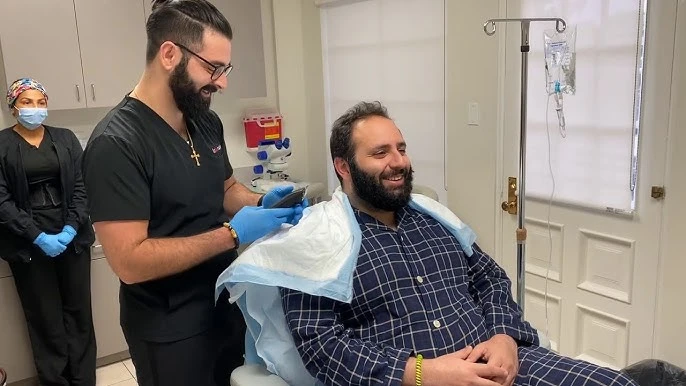
- Procedure Day: Using either manual FUE or robotic surgery in Culver City, the hair transplant is performed under local anesthesia.
- Recovery: Most patients return to regular activities within a week. Results start becoming visible in 3–4 months, with full growth by 12–18 months.
Choosing the Right Clinic in Culver City
When selecting a provider for your transgender hair transplant, consider:
- Experience with transgender patients
- Access to robotic hair transplant systems
- Before-and-after portfolios
- Consultation transparency and comfort
Many Culver City clinics specialize in working with the LGBTQ+ community, offering compassionate care alongside cutting-edge technology.
Final Thoughts: A Step Toward Empowerment
A transgender hair transplant isn’t just about restoring hair—it’s about restoring identity, confidence, and dignity. Whether you’re seeking a feminine hairline or a masculine beard, the integration of advanced techniques like Culver City robotic hair surgery ensures that the process is both precise and empowering.
As more individuals embrace their gender journey, procedures like these continue to play a crucial role in affirming identity—not only physically, but emotionally. If you’re ready to align your appearance with your inner truth, a transgender hair transplant could be the transformative step forward you’ve been looking for.































Sign in to leave a comment.