

Introduction
With the rapid growth of digital media consumption, developers are increasingly looking for ways to integrate audio and video streaming into their applications. Whether you are an independent developer or working for a startup, choosing the right Video Streaming Service to host, distribute, and monetize your content is crucial for success.
This guide provides an in-depth analysis of the essential features, monetization strategies, and key considerations when selecting a Video Streaming Service for your app.
Why Developers Need a Video Streaming Service
A Video Streaming Service provides the necessary infrastructure to store, manage, and deliver high-quality audio and video content. Instead of building a streaming platform from scratch, developers can leverage existing services to ensure smooth content delivery, security, and monetization.
Here are some key reasons developers should use a video streaming platform:
- Cost-Effectiveness: Saves time and money compared to building an in-house streaming infrastructure.
- Scalability: Supports thousands to millions of users without performance issues.
- Monetization Options: Enables revenue generation through ads, subscriptions, and pay-per-view models.
- Content Protection: Implements DRM (Digital Rights Management) to prevent unauthorized access.
- Global Reach: Ensures seamless streaming across different regions and devices.
Essential Features to Look for in a Video Streaming Service
1. Hosting & Storage
A good streaming service should offer ample storage for video and audio files while ensuring minimal latency and buffering.
2. Adaptive Bitrate Streaming
Adaptive bitrate streaming ensures that users get the best video quality based on their internet connection, reducing buffering and improving user experience.
3. Content Delivery Network (CDN)
A robust CDN enables smooth content delivery across different geographical locations, reducing latency and load times.
4. Monetization Models
Different platforms offer various monetization models, including:
- Subscription-based (SVOD): Users pay a recurring fee (e.g., Netflix, Hulu).
- Ad-supported (AVOD): Free content with advertisements (e.g., YouTube, Pluto TV).
- Pay-per-view (TVOD): One-time payment for content access (e.g., iTunes, Amazon Prime).
- Hybrid Models: Combination of SVOD, AVOD, and TVOD.
5. Security & DRM
Developers should prioritize platforms that offer strong security features, including:
- Digital Rights Management (DRM)
- AES encryption
- Token authentication
6. Live Streaming Support
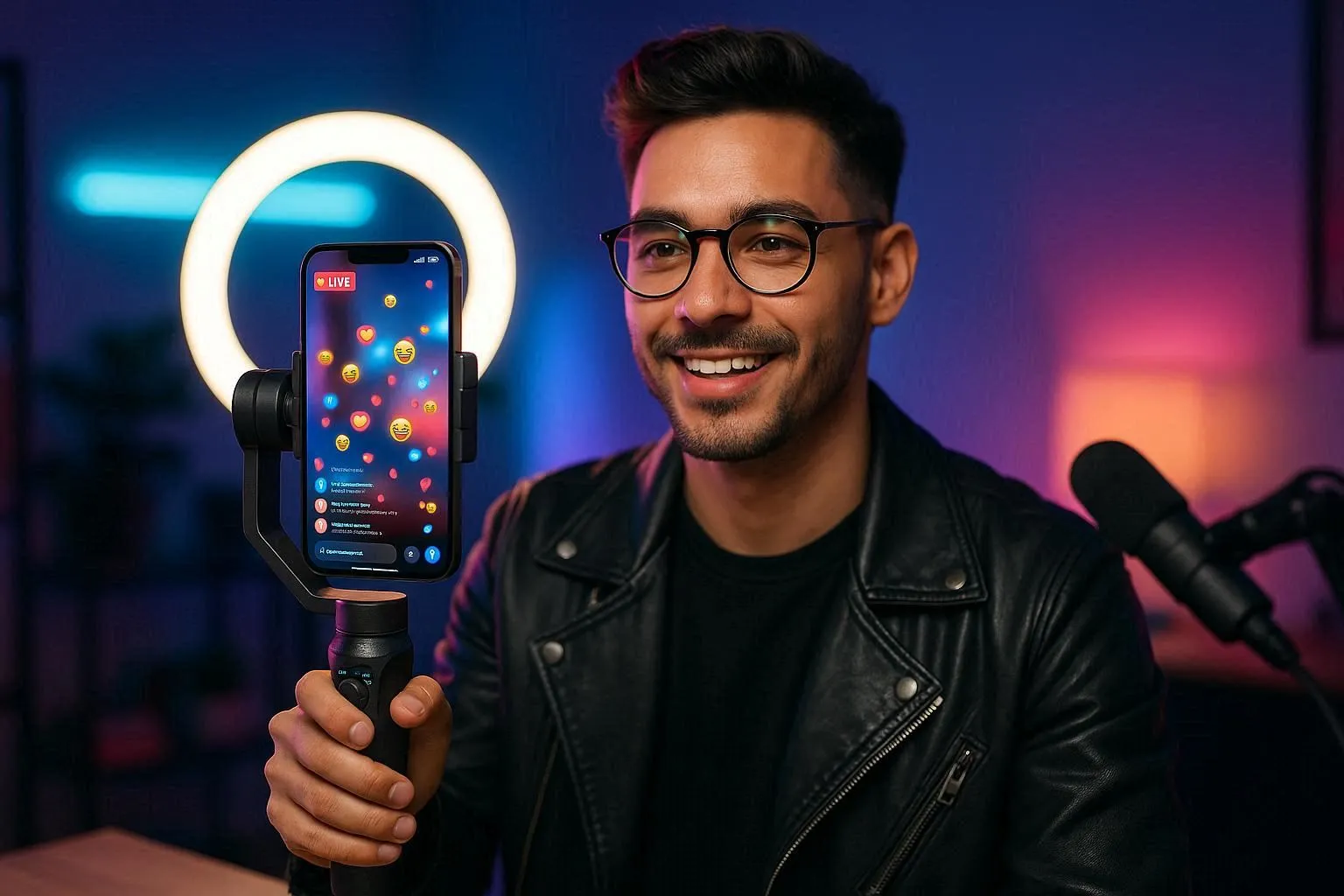
For real-time engagement, developers should ensure the platform supports live streaming with features like chat, donations, and real-time interactions.
7. API & SDK Support
A developer-friendly API and SDK integration allow for seamless embedding of streaming services into mobile apps and websites.
8. Analytics & Reporting
Comprehensive analytics help track audience engagement, revenue generation, and user demographics.
Top Video Streaming Services for Developers
1. Muvi
- End-to-end OTT platform with monetization features.
- Supports live streaming and on-demand content.
- Advanced security features.
2. Wowza Streaming Cloud
- Great for real-time live streaming.
- Scalable and secure.
- API integrations for developers.
3. Dacast
- White-label streaming service with paywall options.
- Low latency streaming.
- Multiple monetization options.
4. Vimeo OTT
- Suitable for subscription-based models.
- Customizable video player.
- Ad-free experience.
5. JW Player
- Supports advertising-based monetization.
- Advanced analytics and player customization.
- API access for developers.
How to Monetize Your Video Streaming App
1. Subscription Model (SVOD)
Offer exclusive content behind a paywall where users pay a monthly or yearly fee.
2. Advertisement Revenue (AVOD)
Display pre-roll, mid-roll, or banner ads to earn revenue based on impressions and clicks.
3. Pay-Per-View (TVOD)
Charge users on a per-video basis for premium content.
4. Sponsorship & Brand Partnerships
Collaborate with brands to promote products within your videos.
5. Donations & Crowdfunding
Allow users to support content creators through tips and donations.
Steps to Integrate a Video Streaming Service into Your App
Step 1: Define Your Requirements
Identify whether you need live streaming, on-demand video, or both. Choose a monetization model based on your audience.
Step 2: Choose the Right Platform
Compare different Video Streaming Services based on scalability, pricing, and monetization options.
Step 3: Set Up the Backend
Integrate the API/SDK of your chosen streaming service into your app.
Step 4: Optimize for Performance
Enable adaptive bitrate streaming and CDN to enhance performance.
Step 5: Implement Security Measures
Use DRM, token authentication, and encryption to protect your content.
Step 6: Launch and Promote
Deploy your app and use SEO, social media, and partnerships to attract users.
Frequently Asked Questions (FAQs)
1. What is a Video Streaming Service?
A Video Streaming Service is a platform that enables the hosting, distribution, and monetization of video content without requiring users to download files.
2. Which is the best Video Streaming Service for developers?
It depends on your needs. Muvi, Wowza, and Dacast are great for monetization and live streaming.
3. Can I monetize live streaming?
Yes, you can monetize live streaming through ads, subscriptions, pay-per-view, and sponsorships.
4. How do I protect my videos from piracy?
Use DRM, AES encryption, and secure token authentication to prevent unauthorized access.
5. Do I need a CDN for my video streaming app?
Yes, a CDN helps reduce latency and ensures smooth content delivery worldwide.
Conclusion
Choosing the right Video Streaming Service is essential for developers who want to build a successful app with monetization features. By selecting a platform that offers scalability, security, and flexible monetization models, developers can create a seamless and profitable streaming experience for their audience.
By leveraging advanced tools like API integrations, DRM, and adaptive bitrate streaming, developers can ensure high-quality content delivery while maximizing revenue. Whether you are launching a new streaming app or upgrading an existing platform, investing in the right video streaming service will set you up for long-term success.






























Sign in to leave a comment.