
Introduction
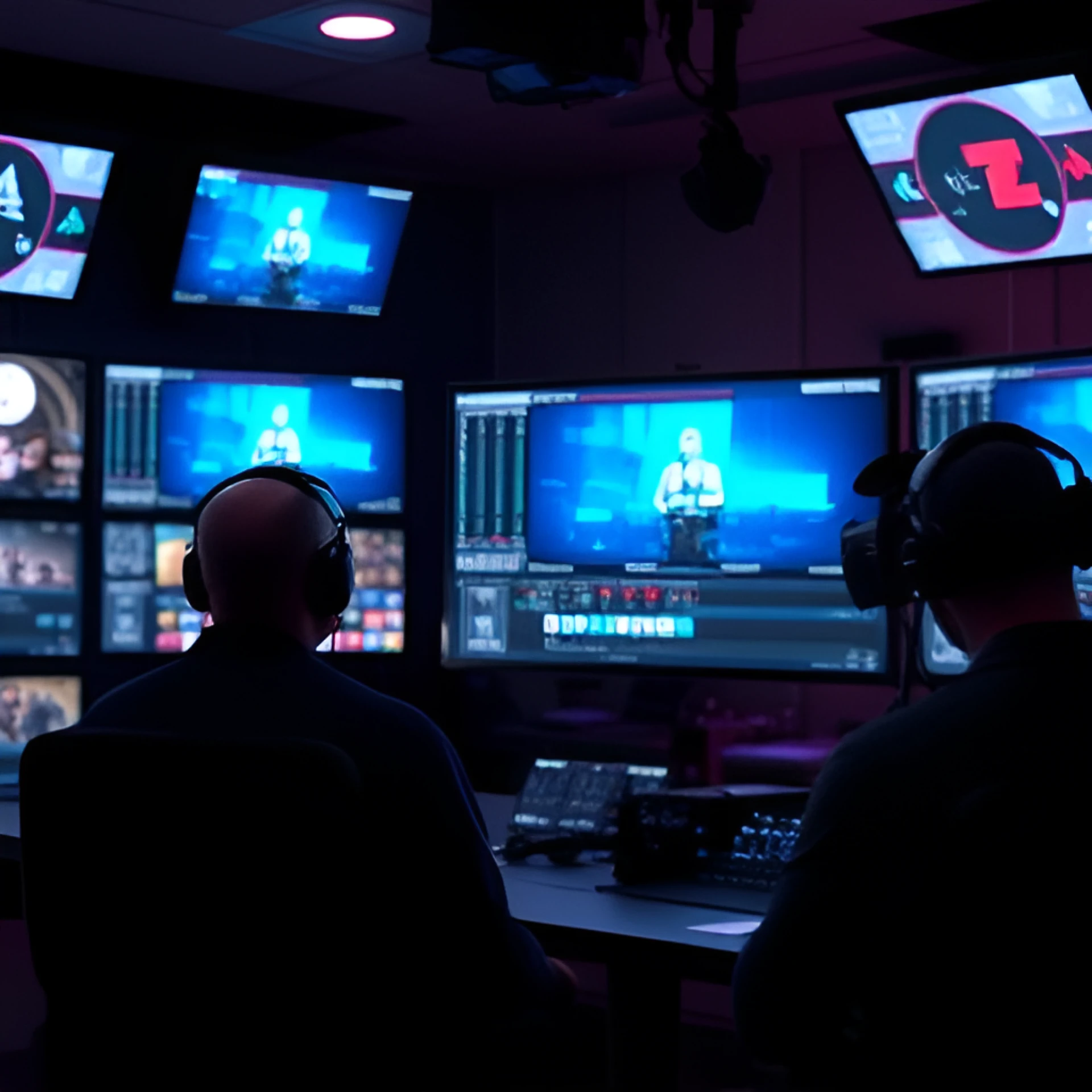
As digital broadcasting continues to evolve, security remains a top concern for broadcasters. TV playout software plays a crucial role in scheduling and delivering content, but without proper security measures, it becomes vulnerable to cyber threats, piracy, and unauthorized access. This article explores how playout software can be fortified to ensure robust security in TV broadcasting.
Understanding TV Playout Software Security
Why is Security Important in TV Playout Software?
With an increasing number of cyberattacks targeting digital media, ensuring the security of broadcast content is critical. Playout software must be equipped with strong security features to protect against unauthorized access and data breaches.
Common Security Threats
- Hacking and Cyber Attacks: Malicious actors targeting broadcast systems.
- Piracy and Unauthorized Streaming: Illegal access and redistribution of content.
- Data Breaches: Leaks of confidential content and sensitive data.
Key Security Challenges in TV Broadcasting
1. Cybersecurity Risks and Hacking Threats
Broadcasters face growing risks from ransomware attacks, phishing, and malware, making it essential to implement cybersecurity measures.
2. Unauthorized Access and Piracy
Content piracy is a major issue that leads to revenue losses. Security solutions like DRM and watermarking can help mitigate this risk.
3. Data Breaches and Content Leaks
Without proper security, unauthorized users can access sensitive media files, leading to potential leaks.
Essential Security Features in Playout Software
1. End-to-End Encryption
Encrypting media files ensures that only authorized users can access content.
2. Multi-Factor Authentication (MFA)
Adding an extra layer of security prevents unauthorized logins.
3. Role-Based Access Control (RBAC)
Restricting access to specific users based on roles helps in securing sensitive operations.
How Playout Software Prevents Cyber Threats
- Firewalls and Intrusion Detection Systems (IDS) monitor and block threats.
- Secure Content Distribution Networks (CDNs) ensure protected delivery.
- AI-driven threat detection identifies and responds to suspicious activities.
Protecting Content from Unauthorized Access
1. Digital Rights Management (DRM) Solutions
DRM prevents unauthorized copying and distribution of digital content.
2. Watermarking and Fingerprinting
These technologies help trace content leaks and unauthorized distributions.
3. Secure Access Management
Restricting access to verified personnel reduces the risk of insider threats.
Ensuring Compliance with Industry Standards
Broadcasters must comply with regulations such as GDPR and FCC guidelines to maintain data protection standards.
Cloud Security vs On-Premise Security
FeatureCloud SecurityOn-Premise SecurityScalabilityHighLimitedControlLowerHigherCostSubscription-basedOne-time investment
Preventing Insider Threats in Broadcast Operations
Training employees on security protocols and monitoring their activities helps in reducing internal risks.
Future Trends in TV Playout Security
- Blockchain for Content Protection: Ensuring immutable security for media assets.
- AI-Powered Threat Prevention: Real-time detection and mitigation of cyber threats.
Conclusion
Enhancing security in TV playout software is essential to safeguard broadcast content. By implementing strong encryption, DRM, AI-driven security measures, and compliance protocols, broadcasters can ensure safe and reliable content delivery.
FAQs
1. What are the main security threats to TV playout software?
Cyberattacks, piracy, unauthorized access, and data breaches are the major threats.
2. How does encryption improve playout software security?
Encryption ensures that only authorized users can access and distribute content.
3. What role does AI play in securing broadcast content?
AI helps detect anomalies, automate threat responses, and enhance overall cybersecurity

































Sign in to leave a comment.