

The Ultimate Guide to Air Gap Storage for IT Professionals
In today’s digital age, data security is paramount. Cyber threats such as ransomware, malware, and other forms of cyberattacks are increasingly sophisticated, making robust data protection strategies essential for organizations of all sizes. One powerful method gaining traction among IT professionals is Air Gap Storage. But what exactly is air gap storage, and why is it so important?
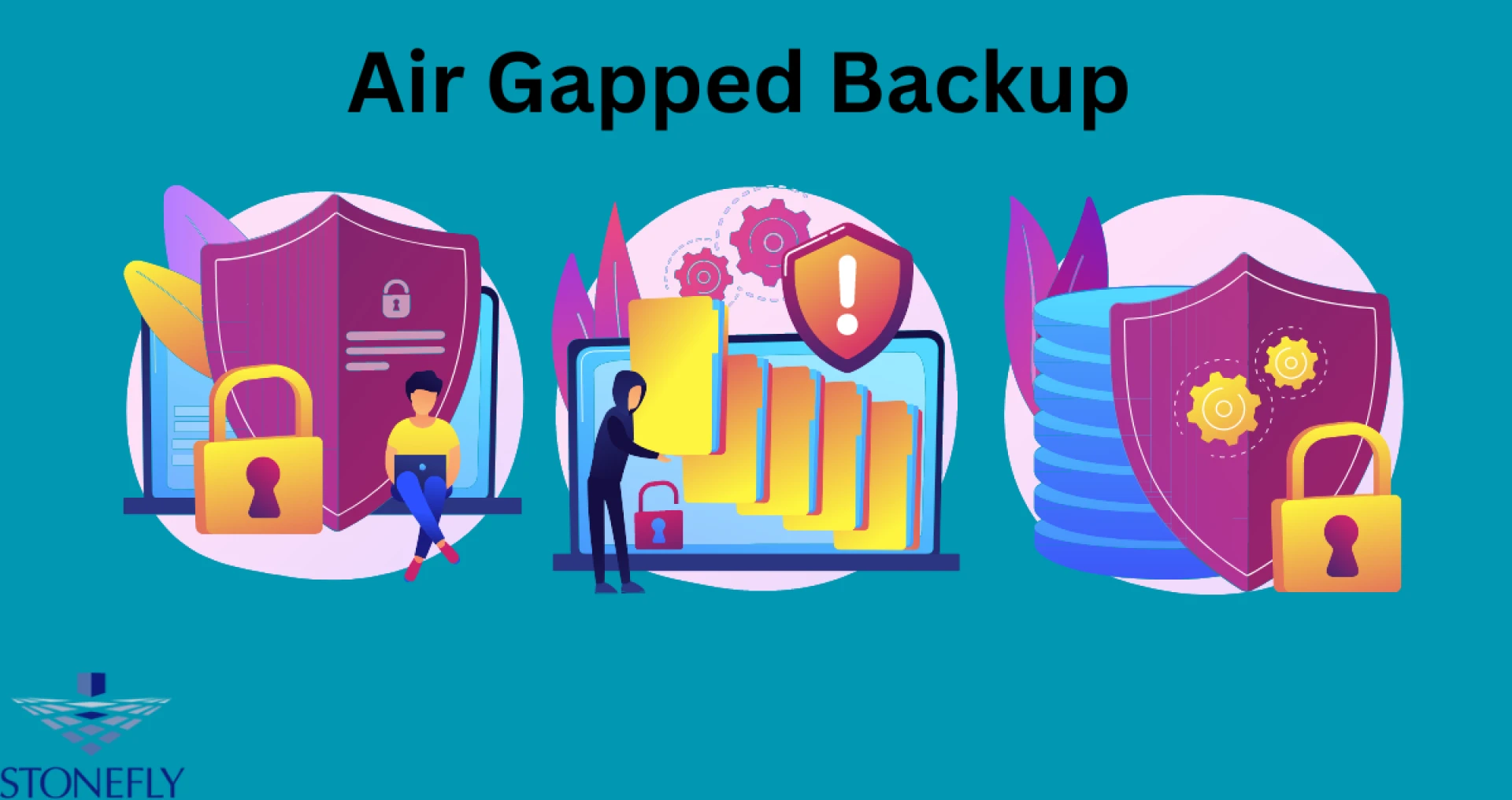
Air gap storage refers to a security measure that involves isolating a storage device or network from the internet and other unsecured networks. This physical or logical separation ensures that the data remains inaccessible to unauthorized users and potential cyber threats. The concept is akin to creating an "air gap" or an impenetrable barrier between your most critical data and the outside world.
The Technology Behind Air Gap Storage
Understanding how air gap storage works requires a basic knowledge of its technological underpinnings. Here’s a closer look at the core elements and implementations of air gap storage in the IT industry:
Physical Air Gapping
Physical air gapping involves completely disconnecting a storage device from any network connections. This means that the only way to access the data is through direct physical interaction with the device. This method is highly secure but can be cumbersome, especially when frequent data access is needed.
Logical Air Gapping
Logical air gapping leverages network configurations to isolate storage systems. While the storage device may still be connected to a network, stringent access controls and network segmentation ensure that it remains inaccessible from unsecured networks. This method strikes a balance between security and accessibility.
Hybrid Approaches
Some organizations adopt a hybrid approach, employing both physical and logical air gapping techniques. For instance, data might be stored on a physically air-gapped device that is only occasionally connected to a network for data updates, under strict access controls and monitoring.
Advantages and Challenges
Like any technology, air gap storage comes with its own set of advantages and challenges. Understanding these can help IT professionals make informed decisions about its implementation.
Advantages
Enhanced Security: The primary benefit is the significant reduction in risk of remote cyberattacks. By isolating data from networks, air gap storage provides a formidable defense against ransomware and other cyber threats.Data Integrity: In case of a cyberattack on the network, the integrity of the data stored in air-gapped devices remains unaffected, ensuring data availability and reliability.Compliance: For industries subject to stringent regulatory requirements (e.g., healthcare, finance), air gap storage can help in achieving compliance by ensuring data is protected against unauthorized access.Challenges
Accessibility: The biggest downside is the limited accessibility to data. Frequent manual intervention is required to access or update the air-gapped data.Cost: Implementing air gap storage can be costly, involving the purchase of additional hardware and potentially complex network configurations.Maintenance: Continuous monitoring and maintenance are essential to ensure that the air gap remains effective, adding to the operational complexity.Best Practices for Implementing Air Gap Storage
Successfully integrating air gap storage into your Data protection strategy requires careful planning and execution. Here are some best practices to consider:
Identify Critical Data: Not all data requires air gap storage. Identify the most critical and sensitive data that warrants such high-level protection.Develop a Clear Policy: Establish a clear policy that defines how and when data can be accessed or transferred to and from air-gapped storage. Ensure that all stakeholders are aware of these policies.Automate Where Possible: Use automation tools to reduce the manual effort required to manage air-gapped storage. For example, automated scripts can be used to control access or transfer data during predefined windows.Regular Audits and Updates: Conduct regular audits to ensure compliance with your air gap policies and update your security protocols as needed to address evolving threats.Employee Training: Ensure that employees are adequately trained on the importance of air gap storage and the specific procedures related to its use. Human error is often the weakest link in security strategies.Real-World Examples
To illustrate the efficacy of air gap storage, let’s look at a few real-world examples of organizations that have successfully utilized this technology to protect their data:
Financial Institutions
Several large financial institutions have adopted air gap storage to safeguard sensitive financial data. By isolating backup servers and critical transaction records from network access, these institutions effectively mitigate the risk of cyberattacks, ensuring business continuity and regulatory compliance.
Healthcare Providers
Healthcare providers dealing with vast amounts of sensitive patient data also use air gap storage to meet stringent data protection regulations, such as HIPAA. By securely storing patient records and medical histories in air-gapped environments, they protect against data breaches and ensure patient privacy.
Government Agencies
Government agencies tasked with handling classified information have long used air gap storage to prevent espionage and cyberattacks. By isolating classified data from potentially compromised networks, they maintain national security and protect sensitive intelligence.
The Future of Air Gap Storage
As cyber threats continue to evolve, so too will the strategies and technologies designed to combat them. The future of air gap storage looks promising, with several trends and innovations on the horizon:
AI and Machine Learning: Integrating AI and machine learning with air gap storage can enhance threat detection and response capabilities. These technologies can help identify potential vulnerabilities and automate responses to emerging threats.Blockchain Technology: Using blockchain technology to create immutable records of data transfers and access to air-gapped storage can further enhance security and transparency.Advanced Encryption: Innovations in encryption technology will continue to play a pivotal role in securing data stored in air-gapped environments, providing an additional layer of protection against unauthorized access.Cloud Integration: As cloud services evolve, finding ways to securely integrate air gap storage with cloud-based solutions will be a key focus. Hybrid cloud models that incorporate air-gapped storage for critical data could become more prevalent.Conclusion
Air gap storage offers a robust solution for IT professionals looking to protect their organization’s most critical data from cyber threats. By understanding the technology, benefits, challenges, and best practices associated with air gap storage, you can make informed decisions that bolster your data protection strategy.
As cyber threats grow more sophisticated, the necessity for resilient and innovative security measures becomes ever more apparent. Air gap storage, with its proven effectiveness and evolving potential, stands as a cornerstone in the battle against data breaches and cyberattacks.
Ready to take your data protection to the next level? Start exploring air gap storage solutions today and ensure your organization’s critical data remains secure and uncompromised.
FAQs
Q: Is air gap storage necessary for all organizations?
A: No, the need for air gap storage depends on the type of data being stored and the level of security required. Not all organizations will require air gap storage, but it can be a valuable addition to a robust data protection strategy.
Q: Can air gap storage be used with cloud-based solutions?
A: Currently, traditional air gap storage cannot be directly integrated with cloud-based solutions. However, hybrid models that incorporate both air-gapped and cloud storage are becoming more prevalent.
Q: What is the difference between air gap storage and offline backup?
A: Offline backup typically involves physically disconnecting external hard drives or tapes from networks after backing up data. Air gap storage, on the other hand, involves storing data in an isolated environment with no network connectivity.
Q: How often should air gap storage be audited?
A: It is recommended to conduct regular audits of air gap storage policies and security protocols. The frequency may depend on the organization's specific needs and compliance requirements. Overall, routine audits can help ensure that air gap storage remains effective in protecting critical data against cyber threats.

























Sign in to leave a comment.