
When evaluating your vehicle's performance, especially that of cars, you need to address multiple functions to achieve higher efficiency. Keeping your vehicle in good condition does not always require advanced mechanical knowledge. Sometimes, the most necessary tasks are also the simplest.
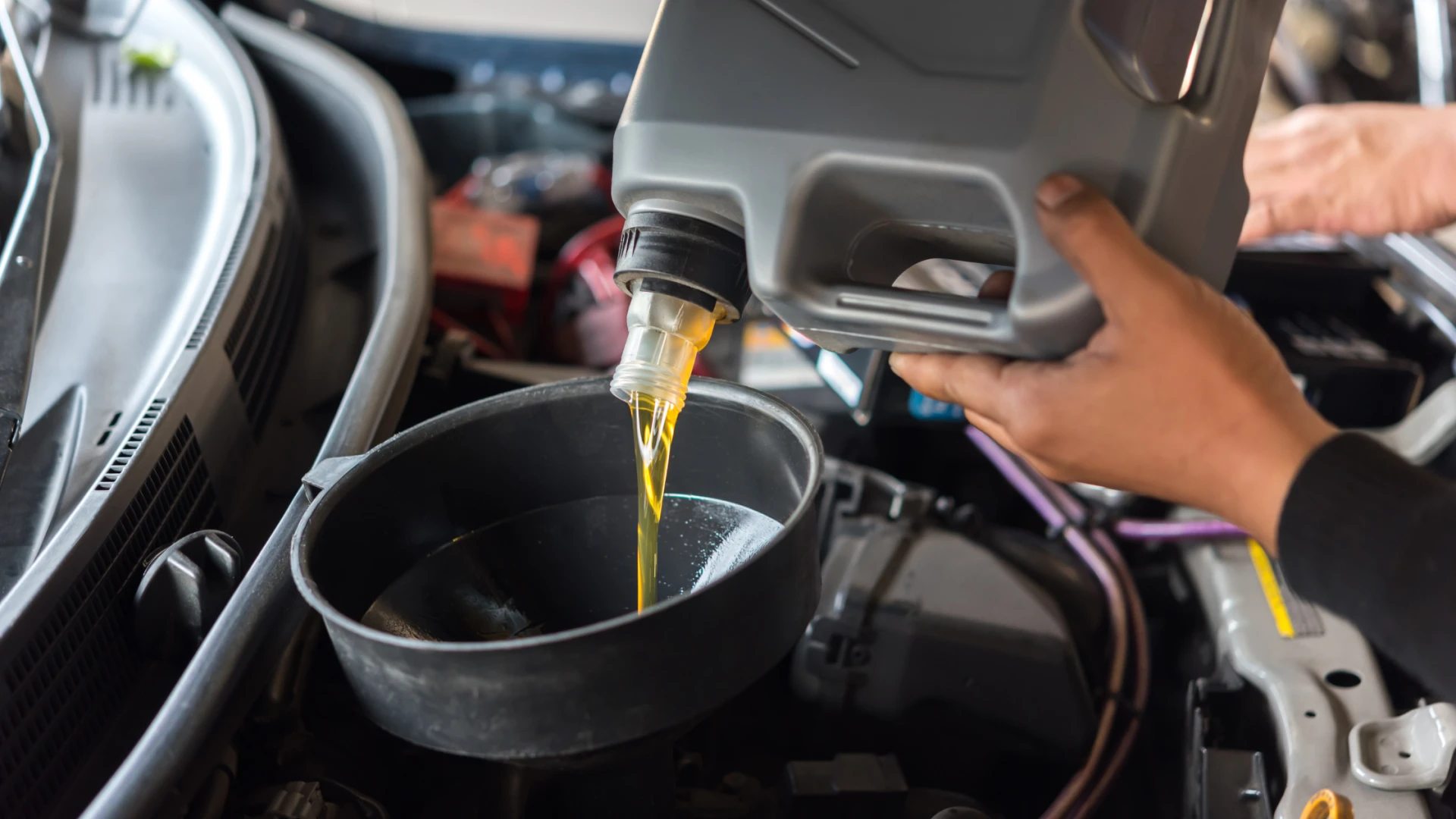
For instance, a car oil change is one of the easiest ways to secure your engine and keep your vehicle running smoothly. However, many drivers ignore this routine service until a warning light appears. Staying consistent with oil changes is one of the easiest ways to extend your vehicle's life.
Whether you are a new driver or someone experienced who wants to take better care of their vehicle, knowing the simple basics of engine oil maintenance and proper care can make a vast difference. This detailed blog discusses best practices and techniques for car oil changes.
The Significance Of Engine Oil In Vehicle Performance
Your engine has different moving parts that work together at high temperatures and speeds. However, without proper lubrication, these parts would generate heat, friction, and damage within a short time period. This engine oil acts as a protective layer between various components, allowing them to move smoothly while minimizing the heat buildup.
Good engine lubrication also helps clean the engine. The engine oil carries away the pollutants, dust, dirt, debris, and small metal particles that form during normal operation. However, oil breaks down and becomes ineffective over a long time at lubricating engine parts.
When this process occurs, the engine cannot be properly protected. It becomes the primary reason for regular replacement, necessary for long-term reliability and performance.
Understanding The Perfect Time For The Right Oil Change Interval
One of the primary questions drivers ask is how frequently they should change the oil. The perfect answer depends on various factors, including severe driving conditions, the type of oil used, and the vehicle's age.
For many modern cars, manufacturers recommend an oil change interval of 5,000 to 10,000 kilometers. Vehicles using synthetic oil typically last longer between services, while older, traditional engines might need more frequent attention.
Driving habits primarily influence oil change intervals. Extreme temperatures, frequent short trips, heavy traffic, and towing heavy loads can accelerate oil degradation. Examining your owner's manual and following the mechanic's guidelines at a car auto shop becomes the safest approach.
Different Warning Signs You Require An Oil Change
Even after you follow a regular maintenance schedule, it's helpful to identify the warning signs that your vehicle might need fresh oil sooner. There are some primary warning signals, which include:
- Reduced fuel efficiency.
- The sudden oil warning light on the dashboard turns on.
- The engine sounds louder and rougher than usual.
- The oil appears thick, dark, dirty, or contaminated when checked.
- A sudden burning oil smell inside or around the vehicle.
Practically ignoring these warning indicators can result in increased engine wear and reduced performance. A quick inspection of the vehicle every few weeks can help you remain ahead of costly issues.
Making The Selection Between Synthetic and Conventional Oil
Selecting the right type of oil is as necessary as changing it regularly. Most drivers choose between synthetic and conventional oil, each with its own benefits. Conventional oil is derived from perfectly refined crude oil and works well in many standard vehicles.
It is usually less expensive and suitable for the engines of the vehicles with basic performance requirements. In contrast, synthetic oil is specially engineered to deliver better protection and longer life. This engine oil performs well in extremely high temperatures, keeps engines cleaner, and resists breakdown.
Many modern vehicles are designed to run on synthetic oil, and although it costs more upfront, it reduces the frequency of oil changes. When you are unsure which type is best for your vehicle, your owner's manual and a trusted service professional at a car auto shop can guide you.
Which Is The Perfect Time To Consider High Mileage Oil?
When your vehicle reaches 100,000 kilometers, transitioning to high-mileage oil may be a good choice. This oil contains special additives that help reduce leaks, decrease oil consumption, and increase sealing around worn engine components.
Also, high-mileage oil provides better engine wear protection, which becomes increasingly necessary as internal parts age. The process is a simple upgrade that can help increase the lifespan of an older vehicle without remarkable changes.
Knowing The Importance Of Oil Viscosity Grades
As a vehicle driver and owner, you have primarily noticed perfect numbers like 10W-40 and 5W-30 on oil containers. These numbers represent oil viscosity grades, which describe how thin or thick the oil is at different temperatures.
The first number primarily refers to how the oil flows and behaves in cold conditions, while the second number indicates its performance at normal operating temperatures. Using the correct viscosity confirms proper lubrication and helps maintain higher fuel efficiency.
When choosing viscosity, always follow the manufacturer's recommendations and guidelines. Using the wrong grade can decrease performance and increase engine wear over time.
The Vital Role Of Oil Changes In Engine Protection
Clean, fresh oil plays a decisive role in preventing long-term damage. Over time, old oil practically loses its ability to reduce friction and control heat. This process increases the risk of metal parts rubbing together, which can lead to serious engine problems.
Regular maintenance supports consistent engine wear protection, increases fuel economy, and helps your vehicle run more smoothly and efficiently. It also reduces the chances of overheating and dirt buildup inside the engine.
When viewed as a small routine expense, scheduling oil service is one of the most cost-effective ways to prevent expensive repairs later.
How Does Oil Changes Fit Into A Car Maintenance Checklist?
Regular oil service should be part of a broader car maintenance checklist to keep your vehicle reliable throughout the year. It is a good time to inspect various components while changing the oil.
- Check fluid levels, such as brake fluid and coolant.
- Inspect the car's oil filter and replace it if required.
- Check the air filter carefully and replace it if it's dirty.
- Examine belts and hoses regularly for signs of wear.
- Check tire pressure and overall condition.
Combining these quick inspections with regular oil service helps you identify minor problems before they turn into significant issues.
Different Factors Influencing The Cost of an Oil Change
The total cost of an oil change can vary depending on several factors. The type of oil is a significant influencing parameter. Synthetic oil costs more than various conventional oils, but it lasts longer and provides better protection.
Engine type and complete vehicle size affect the pricing of the oil change service. Larger engines require more oil, thereby increasing total service costs. Service location plays a decisive role in final pricing. Dealerships might charge more, while an independent car auto shop primarily offers competitive rates.
Although prices are higher, regular maintenance is still a far more affordable option than the costly engine repairs caused by neglected oil.
Can You Change Oil Yourself Or Take Professional Guidance?
Many car owners or drivers select to change their oil at home to save more money and learn more about their vehicle. The process is simple if you have basic tools, a replacement oil filter, and the correct oil type.
However, proper disposal and removal of the remaining used oil is essential to protect the environment. If you prefer convenience or are unsure about the entire process, a professional service center can complete the job faster and more safely.
Whether you do it yourself or visit a trusted garage, consistency and uniformity are more necessary than the technique.
Improve The Car Driving Performance And Engine Health With Regular Car Oil Changes
Taking total care of your vehicle should always be simple. Regular oil maintenance and servicing is one of the simplest habits that delivers long-term benefits. The process keeps your engine clean, increases efficiency, reduces wear, and helps your car perform at its best.
Suppose you handle primary checks yourself or visit a trusted car auto shop for regular service. Consistent care makes all the difference. By understanding the right oil type, following the suggested service interval, and paying close attention to early warning signs, you can prevent unexpected breakdowns and expensive repairs. A few minutes of regular care today can add years to your engine's life and give you total confidence every time you start the engine.




























Sign in to leave a comment.