
Introduction
When it comes to window treatments, two popular options often come up: cellular shades and honeycomb shades. These two types of shades are not only stylish and functional but also offer excellent energy efficiency. While many people use these terms interchangeably, it's important to understand the subtle differences and which one best suits your home. In this guide, we will break down everything you need to know about cellular shades and honeycomb shades, from their structure and types to their unique benefits.
What are Cellular Shades?
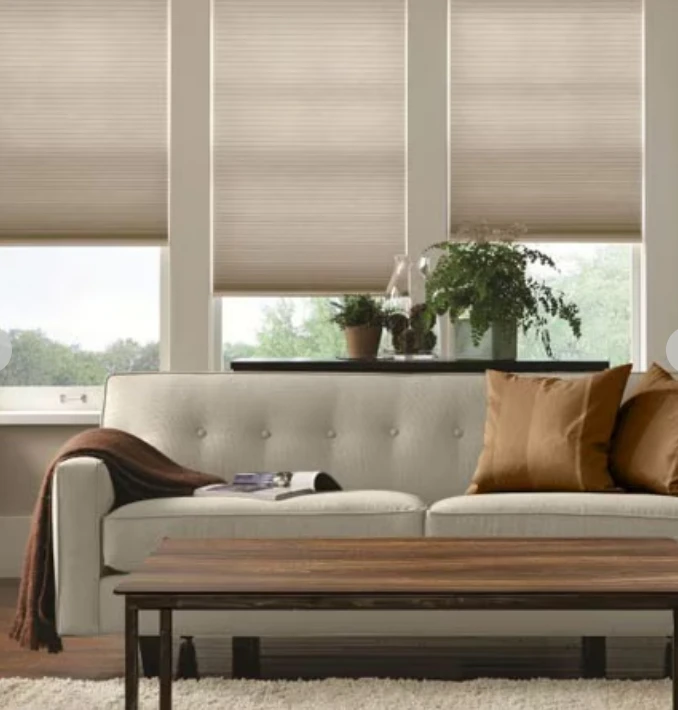
Cellular shades, often called honeycomb shades, are made from folded fabric that creates a honeycomb-like structure. This structure is designed to trap air, providing insulation for your windows. The benefits of these shades go beyond just energy efficiency. Cellular shades can also provide:
- Excellent Light Control: With various opacity levels, they can block light completely or allow filtered light in.
- Noise Reduction: The honeycomb structure can help absorb sound, creating a quieter indoor environment.
- Customizability: Cellular shades come in various colors, sizes, and finishes to match any room's décor.
By trapping air, cellular shades work as a natural insulator, keeping your home cooler in the summer and warmer in the winter.
What Are Honeycomb Shades?
Although often used interchangeably with cellular shades, honeycomb shades specifically refer to shades made of honeycomb-shaped cells. The design is not just aesthetic but also functional. Honeycomb shades are made by folding fabric in a way that traps air inside the cells, offering the same insulation benefits. They are a type of cellular shade, but many people refer to them specifically when talking about energy-efficient window treatments.
Differences Between Cellular Shades and Honeycomb Shades
While both cellular shades and honeycomb shades are often used to describe the same type of window treatment, there are a few key distinctions to consider:
- Design and Structure:
- Cellular Shades: Have a simple honeycomb structure that can come in single, double, or triple cell configurations.
- Honeycomb Shades: Typically refer to a more advanced version of cellular shades, with a deeper focus on improving insulation.
- Energy Efficiency:
- Honeycomb Shades: Known for superior insulation because of their deeper air pockets.
- Cellular Shades: Offer good energy efficiency but may not provide as much insulation as the thicker, more advanced honeycomb options.
- Light Filtering:
- Both offer varying levels of light filtering, but honeycomb shades often provide better control over light and privacy due to their thicker construction.
Benefits of Cellular and Honeycomb Shades
- Energy Efficiency
- One of the biggest advantages of both cellular shades and honeycomb shades is their ability to improve energy efficiency. Their unique design traps air inside, which acts as an insulator. This helps keep your home cooler in summer and warmer in winter, potentially reducing your energy bills.
- Improved Comfort
- By maintaining a stable indoor temperature, these shades make your home more comfortable. They also block drafts from windows, ensuring a cozy living space year-round.
- Noise Reduction
- The fabric and structure of these shades can reduce noise from outside, making them an ideal choice for homes in noisy areas.
- Aesthetic Appeal
- Both cellular shades and honeycomb shades are sleek and modern. They come in a variety of colors, patterns, and textures, making them a great choice for any room. Whether you're designing a contemporary living room or a classic bedroom, these shades add a polished look to any window.
- Easy Maintenance
- These shades are low-maintenance, with most models being washable or easily cleaned with a vacuum.
How to Choose the Right Cellular or Honeycomb Shades for Your Home
When selecting between cellular shades and honeycomb shades, consider the following:
- Energy Efficiency Needs: If you're looking for maximum insulation, honeycomb shades with double or triple cells are the best choice.
- Budget: Cellular shades tend to be more affordable, while honeycomb shades can be slightly more expensive due to their superior construction.
- Light Control: For rooms where light control is crucial, such as a bedroom, honeycomb shades may offer better privacy and light-blocking capabilities.
- Aesthetic Preferences: If you want a more streamlined look, cellular shades are great. If you're looking for something more advanced with better insulation, honeycomb shades are the way to go.
How to Install Cellular and Honeycomb Shades
Installing cellular shades or honeycomb shades is straightforward and can be done in a few steps:
- Measure Your Windows: Measure the width and height of your windows to ensure the shades fit properly.
- Prepare the Mounting Hardware: Use the included brackets or mounting hardware to secure the shades in place.
- Install the Shades: Attach the shades to the brackets and adjust them to ensure they are properly aligned.
- Test the Operation: Pull the shades up and down to ensure they move smoothly and fit snugly against the window.
Frequently Asked Questions
What is the difference between cellular shades and honeycomb shades?
Both types are similar, but honeycomb shades typically refer to a more energy-efficient design with thicker air pockets. Cellular shades can be either single or double-layered.
Are cellular shades good for energy efficiency?
Yes, cellular shades are excellent for energy efficiency. The honeycomb design traps air, acting as insulation and helping to keep your home at a comfortable temperature.
Can honeycomb shades help with noise reduction?
Yes, the design of honeycomb shades helps to absorb sound, making them a good option for homes in noisy environments.
How do I clean cellular and honeycomb shades?
Most cellular shades and honeycomb shades can be vacuumed with a soft brush attachment. Some models are also machine washable, but check the manufacturer's instructions.
Are honeycomb shades better than cellular shades?
Honeycomb shades typically offer better insulation and energy efficiency due to their thicker, more advanced construction. However, cellular shades can still provide excellent performance at a more affordable price.
Can I use cellular shades in all rooms?
Yes, cellular shades are versatile and can be used in any room. For bedrooms, consider a thicker honeycomb shade for better light control and privacy.
Conclusion
Both cellular shades and honeycomb shades are excellent choices for any home, offering improved energy efficiency, noise reduction, and stylish design. The key differences come down to insulation level and budget. If you want the ultimate in energy efficiency and noise control, honeycomb shades are a great choice, while cellular shades offer good value and versatility. Whichever you choose, both types of shades will enhance your home's comfort and aesthetics.




























Sign in to leave a comment.