

Introduction to Chuck Jaws
What are Chuck Jaws?
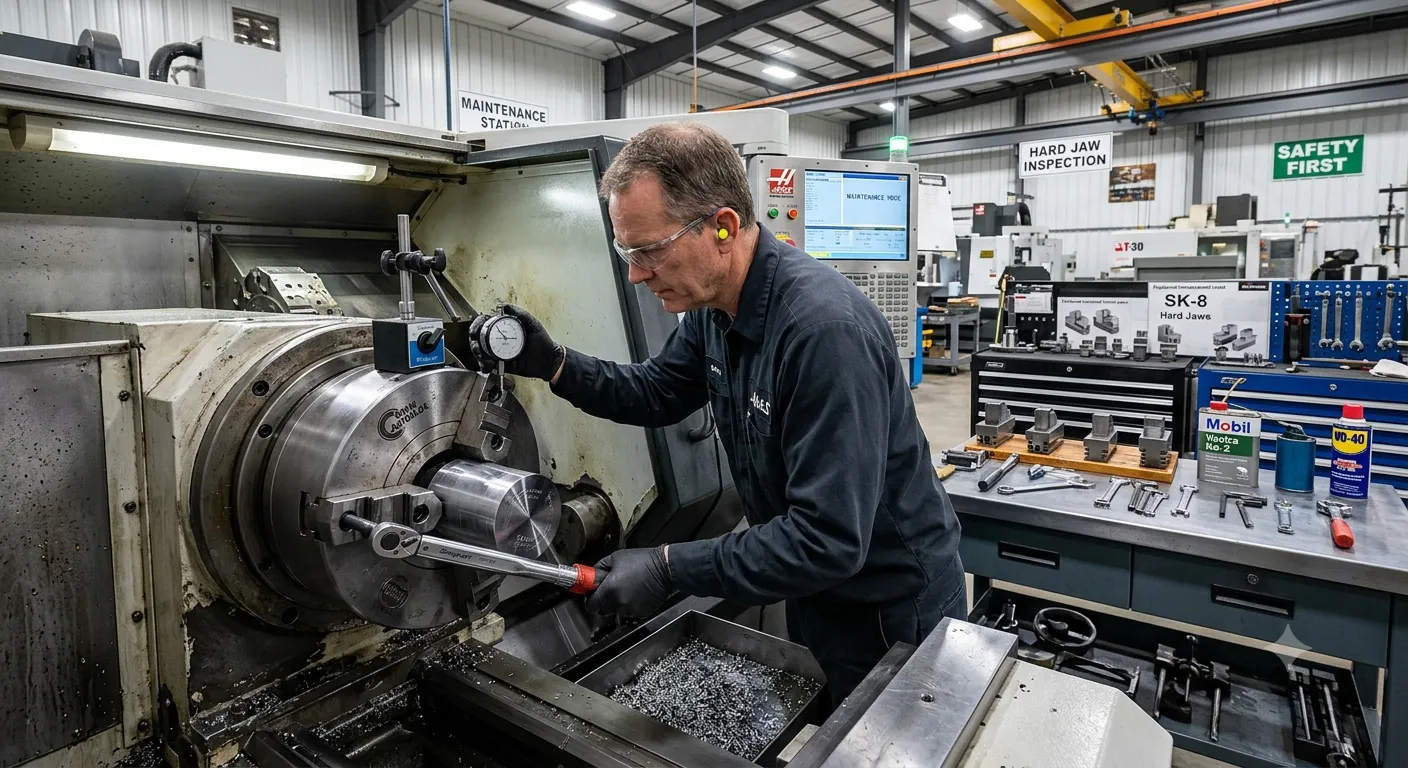
Chuck jaws are essential components in machining that hold workpieces securely in place during various operations, such as turning, milling, and drilling. They come in different shapes and sizes, allowing machinists to work on diverse materials with precision.
Importance of Chuck Jaws in Machining
The quality of chuck jaws directly impacts the accuracy and efficiency of machining processes. High-quality chuck jaws ensure that workpieces are held firmly without slipping, leading to precise cuts and reduced errors.
Types of Chuck Jaws
Soft Chuck Jaws
Soft chuck jaws are typically made from softer materials like mild steel or aluminum. They are ideal for delicate workpieces as they minimize surface damage. Additionally, soft jaws can be customized or machined to match specific part profiles.
Hard Chuck Jaws
Hard chuck jaws are made from hardened steel, offering superior durability and wear resistance. They are perfect for heavy-duty machining tasks and can handle high-torque applications without deforming.
Special Chuck Jaws
Special chuck jaws are designed for specific applications or workpiece shapes. These can include collet chuck jaws, magnetic jaws, and custom-designed jaws tailored to unique machining needs.
Materials Used in Chuck Jaws
Steel Chuck Jaws
Steel is the most common material used for chuck jaws due to its strength and durability. Hardened steel jaws are especially popular for high-precision and heavy-duty applications.
Aluminum Chuck Jaws
Aluminum chuck jaws are lighter and less likely to damage delicate workpieces. They are suitable for applications requiring lower clamping force and are easier to machine for custom shapes.
Other Materials
Other materials used for chuck jaws include plastic and bronze, which are selected based on specific requirements like non-magnetic properties or resistance to certain chemicals.
Choosing the Right Chuck Jaws
Application-Specific Selection
Selecting the right chuck jaws depends on the specific application. Consider the material, shape, and size of the workpiece, as well as the machining operation to determine the most suitable jaws.
Size and Compatibility
Ensure that the chuck jaws are compatible with the chuck and the workpiece. Mismatched jaws can lead to poor clamping and compromised machining accuracy.
Quality and Durability
Investing in high-quality, durable chuck jaws is crucial for consistent performance and longevity. Check for reputable brands and reliable suppliers to ensure you get the best value for your investment.
Top Chuck Jaws Suppliers
Established Brands
Established brands like US Shop Tools, Bison, and Pratt Burnerd have a long history of providing high-quality chuck jaws. These companies offer a wide range of products catering to various machining needs.
Emerging Suppliers
Emerging suppliers often bring innovative solutions and competitive pricing. Keep an eye on new players in the market who might offer advanced technologies or unique features.
Supplier Comparison
When choosing a supplier, compare factors like product quality, customer reviews, pricing, and delivery times. This helps in making an informed decision that balances cost and performance.
Criteria for Evaluating Chuck Jaws Suppliers
Product Quality
High product quality ensures reliability and precision in machining operations. Look for suppliers that offer consistent quality and rigorous testing standards.
Customer Service
Excellent customer service is vital for resolving issues and getting technical support. A responsive supplier can make a significant difference in your overall experience.
Pricing and Value
While price is an important factor, consider the overall value. High-quality chuck jaws may have a higher upfront cost but offer better performance and longevity, reducing long-term expenses.
Delivery and Lead Time
Timely delivery and reasonable lead times are critical for maintaining production schedules. Choose suppliers with a track record of reliable and prompt deliveries.
Benefits of High-Quality Chuck Jaws
Enhanced Precision
High-quality chuck jaws provide superior clamping accuracy, resulting in precise machining and reduced errors. This is crucial for maintaining tight tolerances.
Increased Efficiency
Reliable chuck jaws contribute to smoother operations and higher productivity. They reduce the need for frequent adjustments and replacements, saving time and effort.
Longer Tool Life
Durable chuck jaws extend the life of machining tools by reducing wear and tear. This leads to cost savings and improved overall efficiency.
Common Challenges with Chuck Jaws
Wear and Tear
Chuck jaws are subject to wear and tear, especially in high-stress applications. Regular inspection and maintenance can help identify and address issues early.
Maintenance Needs
Proper maintenance is essential to ensure the longevity and performance of chuck jaws. This includes cleaning, lubrication, and timely replacements of worn parts.
Compatibility Issues
Using the wrong chuck jaws can lead to compatibility issues, affecting clamping force and precision. Always verify compatibility before purchasing new jaws.
Innovations in Chuck Jaw Technology
Advanced Materials
The use of advanced materials like composites and high-performance alloys is revolutionizing chuck jaw technology. These materials offer improved strength, durability, and resistance to wear.
Design Improvements
Innovative designs, such as quick-change systems and modular jaws, enhance flexibility and efficiency in machining operations. These advancements reduce setup times and increase productivity.
Automation Integration
Automation integration in chuck jaw systems allows for seamless operation with CNC machines. Automated clamping and release mechanisms improve workflow and reduce manual intervention.
Case Studies: Successful Chuck Jaw Implementations
Automotive Industry
In the automotive industry, high-precision chuck jaws are crucial for manufacturing engine components and other critical parts. Case studies show how quality jaws improve production rates and part accuracy.
Aerospace Sector
The aerospace sector requires exceptional precision and reliability. Successful implementations of advanced chuck jaws have led to significant improvements in the production of aircraft components.
Medical Equipment Manufacturing
In medical equipment manufacturing, the use of specialized chuck jaws ensures the production of intricate and precise parts. This has led to enhanced performance and reliability of medical devices.
Tips for Maintaining Chuck Jaws
Regular Cleaning
Keep chuck jaws clean to prevent buildup of debris and contaminants. Regular cleaning helps maintain clamping force and precision.
Proper Storage
Store chuck jaws in a dry, protected environment to prevent rust and damage. Use protective covers or cases to avoid accidental impacts.
Periodic Inspections
Regularly inspect chuck jaws for signs of wear, damage, or misalignment. Early detection of issues allows for timely maintenance and replacement.
Future Trends in Chuck Jaw Supply
Sustainable Practices
The adoption of sustainable practices, such as using eco-friendly materials and processes, is becoming increasingly important. Suppliers are focusing on reducing their environmental impact.
Technological Advancements
Ongoing technological advancements are leading to the development of smarter, more efficient chuck jaws. Expect to see further integration with digital and automated systems.
Global Market Shifts
Global market dynamics, including supply chain improvements and emerging markets, are influencing the availability and pricing of chuck jaws. Staying informed about these trends is crucial for making strategic decisions.
Conclusion
Choosing the right chuck jaws and supplier is essential for optimizing machining operations. By understanding the types, materials, and selection criteria, you can make informed decisions that enhance precision, efficiency, and tool life. Keep an eye on innovations and future trends to stay ahead in the ever-evolving machining industry.
























Sign in to leave a comment.