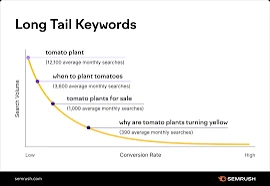

In the ever-evolving realm of search engine optimization (SEO), the quest for higher rankings and increased organic traffic remains paramount. One of the most effective strategies in this pursuit is the utilization of long-tail keywords. In this comprehensive guide, we delve deep into the art and science of unlocking the power of long-tail keywords to propel your website to the top of search engine results pages (SERPs).
Understanding Long-Tail Keywords
Keywords with long tails are more likely to be employed by visitors as they approach the point of purchase. Long-tail keywords are more concentrated and longer keyword phrases. Because long-tail keywords typically have less competition and target specialized audiences, they are more profitable for SEO efforts than short, general keywords.
The Anatomy of Effective Long-Tail Keywords
Creating long-tail keywords that are effective means striking a careful balance between search volume, specificity, and relevancy. Through comprehensive keyword research with tools such as Ahrefs, SEMrush, and Google Keyword Planner, you may find long-tail keywords with high potential that are specific to your niche.
Optimizing On-Page Content
Integrating long-tail keywords seamlessly into your website\'s on-page content is essential for SEO success. Incorporate them naturally into titles, headers, meta descriptions, and body text while maintaining readability and user experience. Remember, quality content that resonates with your audience is paramount.
Creating Compelling Content
Content is king in the realm of SEO, and long-tail keywords can serve as the cornerstone of your content strategy. Develop engaging blog posts, articles, product descriptions, and landing pages centered around long-tail keyword themes to attract targeted organic traffic and establish authority in your niche.
Embracing Local SEO Opportunities
For businesses targeting local markets, long-tail keywords play a pivotal role in local SEO endeavors. Incorporate location-specific modifiers into your keyword strategy to enhance visibility in local search results and connect with nearby customers actively seeking your products or services.
Monitoring and Adjusting
SEO is an ongoing process, and monitoring the performance of your long-tail keyword strategy is crucial for continuous improvement. Leverage analytics tools like Google Analytics and Google Search Console to track keyword rankings, organic traffic, and user engagement metrics. Based on insights gathered, refine your keyword strategy to capitalize on emerging trends and opportunities.
Conclusion

























Sign in to leave a comment.