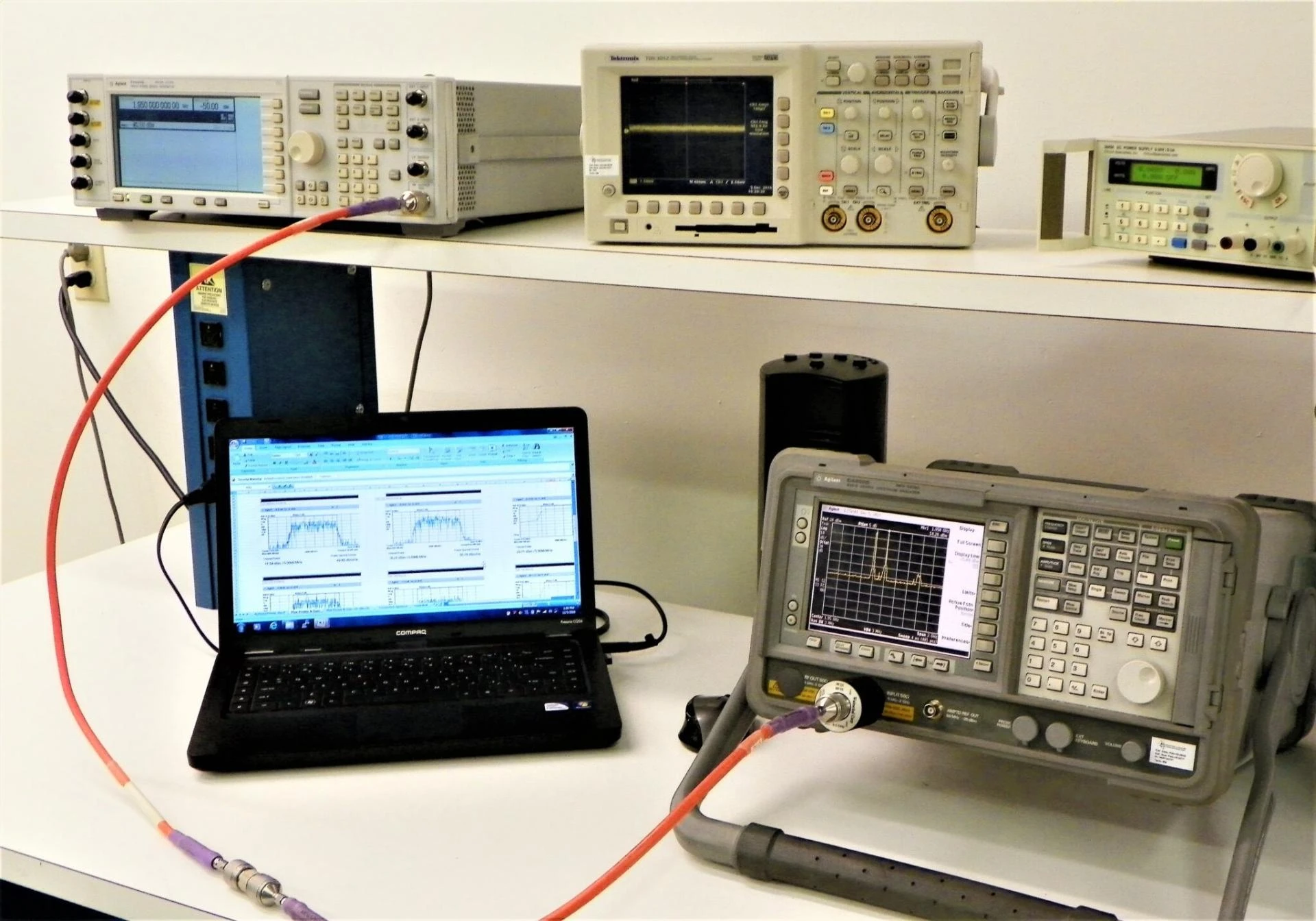

The Internet of Things (IoT) is rapidly transforming industries, from smart homes to industrial automation, healthcare, and beyond. With billions of devices interconnected to collect and exchange data, the quality and reliability of IoT devices are more crucial than ever. As a result, IoT device testing has become a vital part of ensuring the performance, security, and scalability of these devices.
In this article, we will explore the importance of IoT device testing, the various types of tests involved, and best practices to ensure your IoT devices meet the highest standards of functionality and security.
What is IoT Device Testing?
IoT device testing refers to the process of evaluating and verifying the performance, functionality, security, and interoperability of IoT devices in real-world environments. Given the complexity of IoT systems, which often involve hardware, software, sensors, networks, and cloud-based platforms, thorough testing is essential to ensure that devices function seamlessly, are secure, and provide consistent results across various use cases.
Why IoT Device Testing is Critical
- Ensures Device Functionality: IoT devices perform a wide range of tasks, from basic data collection to complex automation. Testing helps verify that each device performs as expected under various conditions.
- Security Assurance: With billions of connected devices, IoT systems are a prime target for cyber-attacks. Testing ensures that devices are secure and that sensitive data is protected.
- Interoperability: IoT devices must work together, and with different networks and systems, to provide seamless experiences. Testing ensures that these devices are compatible with other devices, protocols, and ecosystems.
- Regulatory Compliance: Many industries are governed by strict regulatory standards, such as medical devices in healthcare or automotive systems in transportation. Testing helps ensure compliance with these regulations.
- Reliability and Performance: IoT devices often operate in harsh environments, so testing ensures that the device can withstand physical stress and maintain high performance.
Types of IoT Device Testing
IoT device testing is a multifaceted process that includes several types of testing. Let’s take a look at the most important ones:
1. Functional Testing
Functional testing is the most basic form of IoT device testing, where the primary focus is to verify that the device performs its intended tasks correctly. This includes checking all functions and features specified in the product's requirements.
Key areas of functional testing include:
- Ensuring sensors are working as expected.
- Validating the accuracy of data collection and processing.
- Verifying that the device responds to commands or triggers in real-time.
2. Usability Testing
IoT devices should be easy to use, especially for non-technical users. Usability testing evaluates the user experience (UX) by ensuring that the device is intuitive and simple to operate.
Key factors in usability testing include:
- User interface (UI) design.
- Device installation and setup.
- Ease of device interaction (e.g., mobile apps, touch interfaces, or voice controls).
3. Performance Testing
Performance testing ensures that IoT devices operate efficiently under different loads. This type of testing checks whether the device can handle real-world demands and whether its data transmission and processing capabilities are sufficient.
Key aspects of performance testing include:
- Response time and latency.
- Scalability under varying loads.
- Throughput and bandwidth testing.
4. Security Testing
Security is one of the most critical concerns in IoT device testing due to the massive attack surface created by billions of connected devices. Security testing aims to identify vulnerabilities and ensure that devices are safe from cyber threats.
Security testing includes:
- Authentication and encryption methods.
- Access control and privilege management.
- Penetration testing and vulnerability scanning.
- Data privacy and secure data transmission.
5. Connectivity Testing
IoT devices rely on various communication protocols, such as Wi-Fi, Bluetooth, Zigbee, or LoRaWAN. Connectivity testing ensures that devices can connect reliably to networks and maintain stable communication.
Key elements of connectivity testing include:
- Testing compatibility with different wireless networks.
- Signal strength and range.
- Frequency interference and reliability.
6. Power and Battery Testing
Many IoT devices are powered by batteries, especially in remote or portable applications. Power testing ensures that devices can operate efficiently while conserving battery life. It also includes verifying the power consumption of devices in different states (active, idle, sleep mode).
Power and battery testing focuses on:
- Battery life under various usage conditions.
- Power consumption efficiency.
- Charging time and battery performance over time.
7. Compliance Testing
IoT devices are subject to various regulatory and industry standards, which vary depending on the device's application. Compliance testing ensures that the device meets these regulations to avoid potential legal issues and ensure safe operation.
Examples of compliance standards include:
- FCC (Federal Communications Commission) certification for wireless devices.
- CE marking for devices sold in Europe.
- Industry-specific certifications like FDA for medical devices.
Challenges in IoT Device Testing
While testing IoT devices is essential, it is also challenging. The complexity of these devices and their environments creates several hurdles for testers:
- Diverse Ecosystem: IoT devices operate in a variety of ecosystems, which may include different hardware, software, and network configurations. This makes interoperability testing especially complex.
- Scalability: The sheer number of devices and the variety of environments in which they function can make testing at scale difficult.
- Security Risks: As IoT devices become more prevalent, they become more targeted by cybercriminals. Testing devices for security vulnerabilities is complex, requiring specialized tools and expertise.
- Continuous Updates: Many IoT devices receive firmware and software updates after deployment. Ensuring that the device continues to work properly after each update presents an ongoing testing challenge.
Best Practices for IoT Device Testing
To ensure a smooth and successful IoT testing process, here are some best practices:
1. Plan Thoroughly
Before testing, have a detailed test plan in place that covers all aspects of the device, including hardware, software, security, and environmental considerations. Ensure that testing encompasses different real-world scenarios.
2. Test in Real-World Conditions
Simulate the real-world environment as closely as possible during testing. This includes testing devices under different network conditions, weather, interference, and other environmental factors.
3. Automate Testing Where Possible
Automating repetitive tests, such as performance or security scans, can save time and help ensure consistency. Use testing frameworks and tools that support automation.
4. Conduct End-to-End Testing
Since IoT devices often interact with cloud platforms and other devices, end-to-end testing is essential to ensure that everything works together seamlessly. This testing should cover the entire system, from the device itself to the backend infrastructure.
5. Focus on Security
Prioritize security testing, as vulnerabilities in IoT devices can lead to data breaches, device hijacking, and other malicious activities. Perform penetration testing, vulnerability scanning, and audit the software and hardware for weak spots.
6. Test for Scalability
IoT systems are often deployed at scale, meaning that they need to handle many devices at once. Test how the system behaves with a large number of devices to ensure it can handle the load and scale efficiently.
7. Include User Feedback
After deploying the device, gather user feedback to identify any issues that may not have been caught during testing. Continuous improvement based on real-world usage is key to product success.
Conclusion
IoT device testing is a critical part of the development lifecycle that ensures these devices operate efficiently, securely, and reliably. By conducting a comprehensive set of tests—ranging from functionality and performance to security and interoperability—developers can avoid costly failures, improve user experience, and build trust in their IoT products. By following best practices and staying on top of the latest testing trends, manufacturers can create IoT devices that are not only innovative but also secure and dependable in a rapidly evolving technological landscape.






























Sign in to leave a comment.