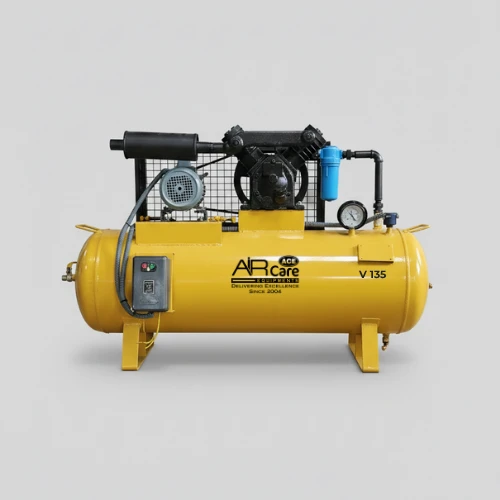
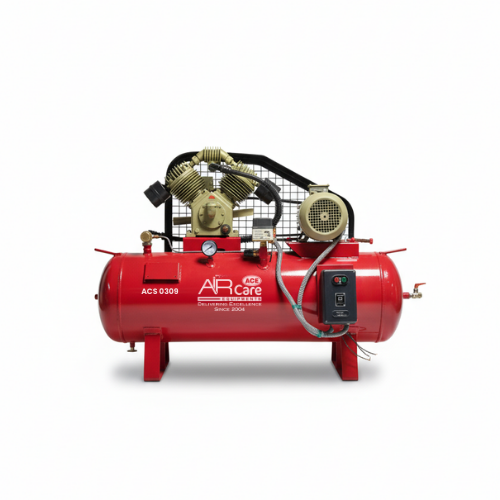
An Air Receiver Tank is an essential part of any compressed air system, functioning as a buffer, moisture collector, and storage unit for pressurized air. Whether you operate a commercial workshop, a manufacturing facility, or a large-scale industrial plant, regular maintenance of your air receiver tank ensures safer operation, greater efficiency, and longer equipment life. In this comprehensive guide, we’ll walk you through why maintenance matters, how to keep your tank in top condition, and how to align it with components like Reciprocating Piston Compressors and Screw Type Air Compressors.
What Is an Air Receiver Tank and Why It Matters
An air receiver tank serves multiple critical roles in a compressed air system. It stores pressurized air produced by your compressor, helps even out pressure fluctuations, and allows moisture to condense before air moves on to tools or machinery. Without proper maintenance, tanks can accumulate water, rust, and contaminants, reducing system efficiency and increasing the risk of costly downtime or safety hazards.
Benefits of Regular Maintenance
Maintaining your air receiver tank offers several compelling advantages:
- Improved Safety – Tanks under constant pressure can be hazardous if weakened by rust or corrosion. Routine checks prevent dangerous failures.
- Consistent Air Quality – Draining moisture and cleaning sediment helps protect pneumatic tools and sensitive equipment.
- Lower Energy Costs – A well-maintained system reduces wear on compressors and maintains steady pressure levels.
- Extended Equipment Lifespan – Regular care prolongs the life of your tank and connected components like compressors and filters.
Daily Maintenance Tasks
To keep your air receiver tank running smoothly, start with daily checks. Although they take only a few minutes, these inspections can prevent small problems from becoming major.
- Drain Condensate – Moisture accumulates at the tank’s bottom. Open the drain valve daily to remove water and prevent internal corrosion.
- Check Pressure Gauges – Ensure the tank operates within the recommended PSI range. Unusual fluctuations may indicate leaks or system inefficiencies.
- Inspect Safety Valves – Confirm that relief valves operate correctly to avoid over-pressurization and ensure safety compliance.
Weekly and Monthly Checks
Beyond daily tasks, regular weekly and monthly maintenance helps you catch deeper issues early.
Weekly Tasks
- Look for visible rust or paint bubbling, which can signal corrosion.
- Check connections between the tank and compressor for air leaks using a soapy water solution.
Monthly Tasks
- Perform a full inspection of tank interiors (if accessible) for sediment build-up.
- Test pressure switches and controls for reliable operation.
Aligning Your Tank with the Right Compressor
The performance of your Air Receiver Tank depends on how well it works with your compressor. Two common types commonly used in industrial settings include:
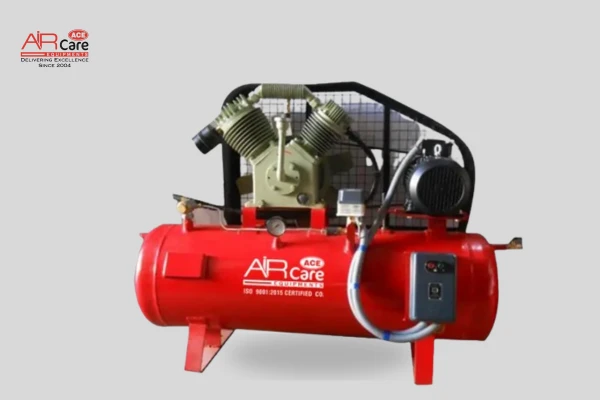
Reciprocating Piston Compressor
These compressors are excellent for smaller systems or intermittent use. They create pulses of compressed air, making a receiver tank crucial for smoothing pressure changes. Regular tank maintenance ensures that these pulsating systems deliver a stable air flow to tools and equipment.
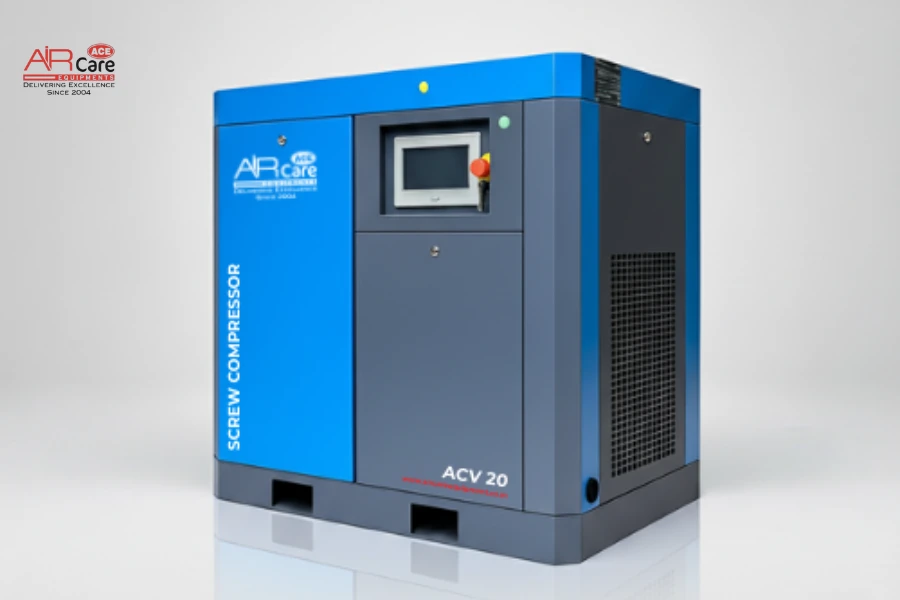
Screw Type Air Compressor
Screw type compressors are ideal for continuous operations and larger industrial applications. They maintain steady air delivery, but still rely on a properly maintained receiver tank to store excess air, reduce wear, and increase performance consistency.
Whether your system uses a reciprocating or screw type model, an air receiver tank keeps pressures steady, maximizes compressor efficiency, and stabilizes airflow.
Tools and Accessories Every Facility Should Use
Maintaining your air system means investing in the right tools and accessories. Consider the following upgrades:
- Automatic Drain Valves – Replace manual valves with automated systems to ensure consistent moisture removal.
- Quality Filters and Separators – These help remove oil and particulate matter before air reaches your toolsget or tank.
Additionally, working with a trusted Air Compressor Supplier ensures you tanks and accessories that match your compressor’s capacity and duty cycle. A good supplier can also recommend installation best practices and service plans, saving time and avoiding costly mistakes.
The Role of Moisture Management Partners
Besides the tank itself, components like air dryers and coolant systems matter. In facilities where heat control is essential, partnering with Water Chiller Manufacturers helps maintain optimal operating temperatures for both compressors and receivers. Chillers can reduce heat loads, protect internal components, and improve overall system efficiency.
Safety First: Tips for Tank Inspection and Repair
Never underestimate the importance of safety when maintaining your air receiver tank. Here are essential tips:
- Always depressurize before inspection or service. Never open a tank under pressure.
- Use proper personal protective equipment (PPE) when draining, cleaning, or repairing tanks.
- Follow local codes and standards. Periodic professional inspection might be required depending on your industry and jurisdiction.
Troubleshooting Common Issues
Even with regular maintenance, problems can still occur. Here’s how to diagnose common issues:
Excessive Moisture in Output Air
If you’re seeing water in your lines, check:
- Drain valves (may be clogged or malfunctioning)
- Air dryer performance
- Internal rust or sediment buildup
Pressure Drops or Fluctuations
This may indicate:
- Leaks around fittings or gaskets
- Compressor cycling issues
- Damaged pressure switches or gauges
Unusual Tank Vibrations or Noise
Often a sign that:
- Compressor and tank are misaligned
- Loose hardware needs tightening
- Structural issues require professional evaluation
Final Words: Maintenance Is the Key to Reliability
An Air Receiver Tank is more than a storage vessel, it’s a central component that affects performance, safety, and efficiency. Whether your facility uses a Reciprocating Piston Compressor, a Screw Type Air Compressor, or other systems, proactive maintenance makes all the difference.
Working with qualified professionals, including a reputable Air Compressor Supplier and trusted Water Chiller Manufacturers, will help you protect your investment and avoid unplanned downtime. Simple steps like regular draining, inspection, and pressure monitoring go a long way toward peak performance.
Your air system deserves the best care, and with the right maintenance plan, it will deliver dependable, high-quality performance for years to come.
























Sign in to leave a comment.