

In the world of pet parenting, love often translates to food. Whether it’s those "puppy eyes" at the dinner table or the persistent meows near the kibble jar, we all want to give our pets the best. But here’s the million-dollar question: Is their bowl truly balanced?
At Maplepets, we believe that a healthy pet is a happy pet, and it all starts with what’s inside the bowl.
1. Understanding the Basics: Not All Calories are Equal
Just like humans, pets require a specific balance of proteins, fats, carbohydrates, vitamins, and minerals. However, a dog’s needs are vastly different from a cat’s.
Proteins: The building blocks for muscles and tissues. Look for real meat sources (Chicken, Salmon, Lamb) as the first ingredient.
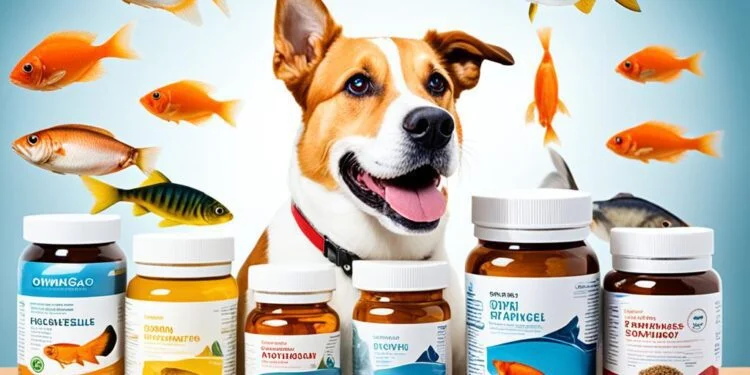
Healthy Fats: Essential for that shiny coat you love to stroke. Omega-3 and Omega-6 fatty acids are your best friends here.
Fiber: Vital for digestion. Ingredients like pumpkin or brown rice can keep their tummy happy.
2. The Great Debate: Kibble vs. Wet Food
There isn’t a "one size fits all" answer.
Dry Kibble: Great for dental health (the crunch helps scrape off plaque) and is generally more budget-friendly.
Wet Food: Excellent for hydration, especially for cats who are notoriously bad at drinking enough water.
Pro Tip: Many pet parents at Maplepets find "mixed feeding" (a bit of both) to be the perfect middle ground for taste and health.
3. Ingredients to Avoid at All Costs
To keep your pet safe, always scan the label for these "red flags":
Artificial Preservatives: Look out for BHA, BHT, and Ethoxyquin.
Excessive Fillers: Corn and soy are okay in moderation, but they shouldn't be the main ingredient.
Toxic Human Foods: Never share chocolate, grapes, onions, or anything containing Xylitol.
Why Choose Maplepets for Your Pet’s Journey?
We don’t just sell products; we curate experiences. From premium nutrition to the toughest toys and the softest beds, Maplepets is dedicated to bringing quality and transparency to your doorstep.
Final Thoughts
Transitioning your pet to a new diet should always be done slowly—usually over 7–10 days—to avoid upset stomachs. When in doubt, your vet is your best resource!





























Sign in to leave a comment.