Why the Right Drilling Rigs Transforms Your Bottom Line
In mining, construction, and exploration, the drilling rig is the engine of productivity. Selecting the wrong equipment can increase development cycle time by up to 30 to 40 percent . This translates directly into lost revenue and missed deadlines. Conversely, choosing the optimal drilling rigs for your specific application ensures faster penetration rates, reduced downtime, and superior project outcomes. At SHSTRONGMAC, we understand this critical connection between equipment selection and profitability, delivering world-class drilling solutions backed by continuous research and development.
Understanding What a Drilling Rigs Is
A drilling rig is a construction and mining machine used to make holes in the earth's surface. They vary considerably in size, ranging from massive structures to light equipment movable by a single person . The general term "drill rig" covers several differing types of machines for use in the construction industry, water well drilling, mining, quarrying, and tunnel construction . Drilling rigs can take samples from mineral deposits, test physical properties of rocks, soil, and groundwater, and facilitate underground installations like tunnels, shafts, or pipes . The differing tasks determine the choice of drilling method and machine type .
Surface Versus Underground Drill Rigs
Understanding the fundamental distinction between surface and underground drill rigs is essential for any purchasing decision.
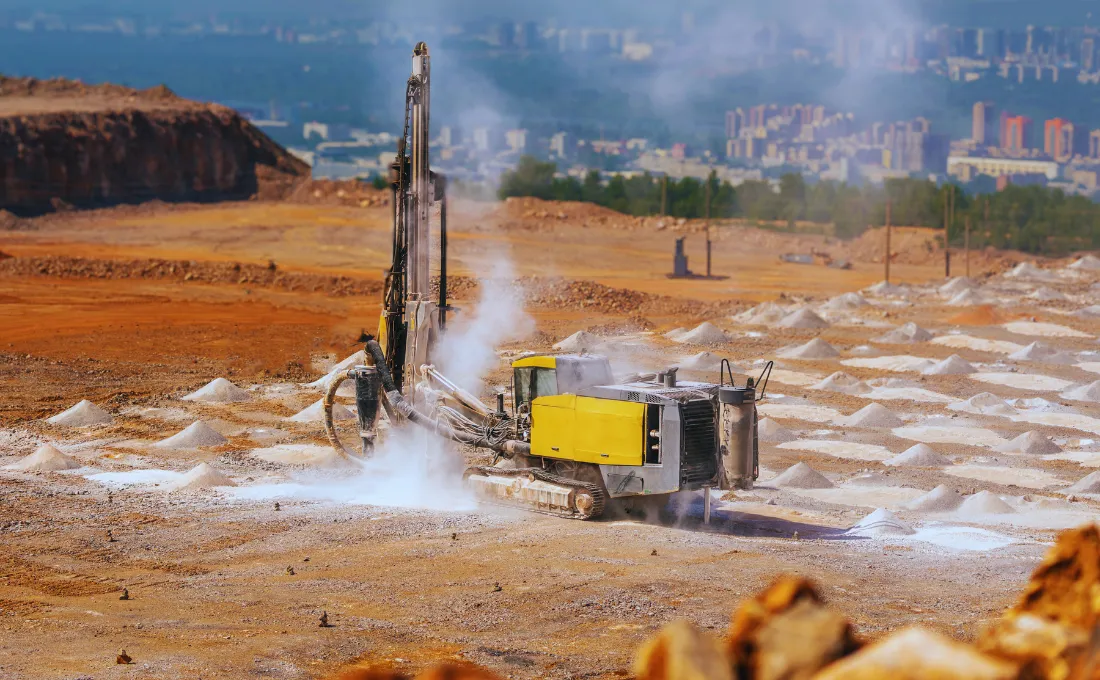
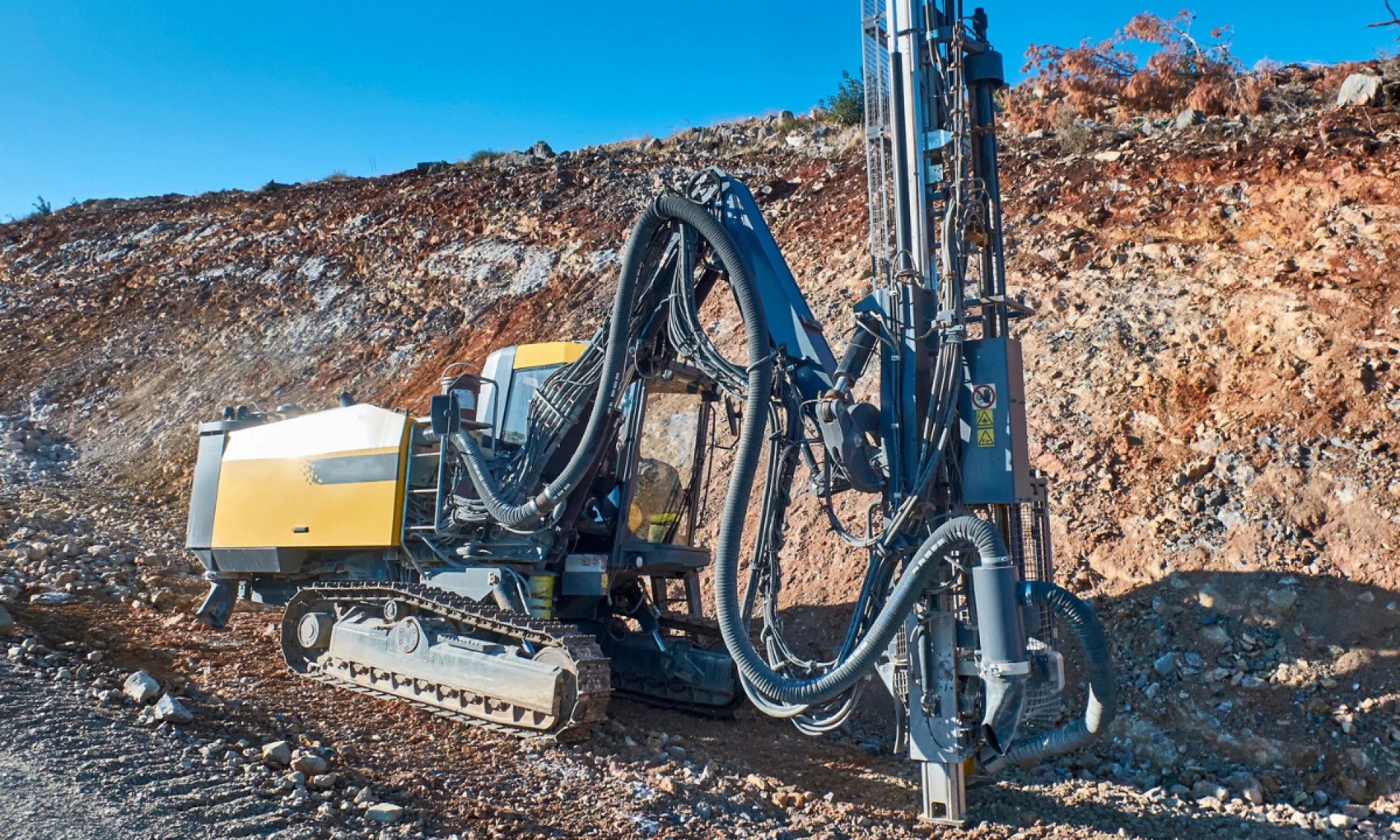
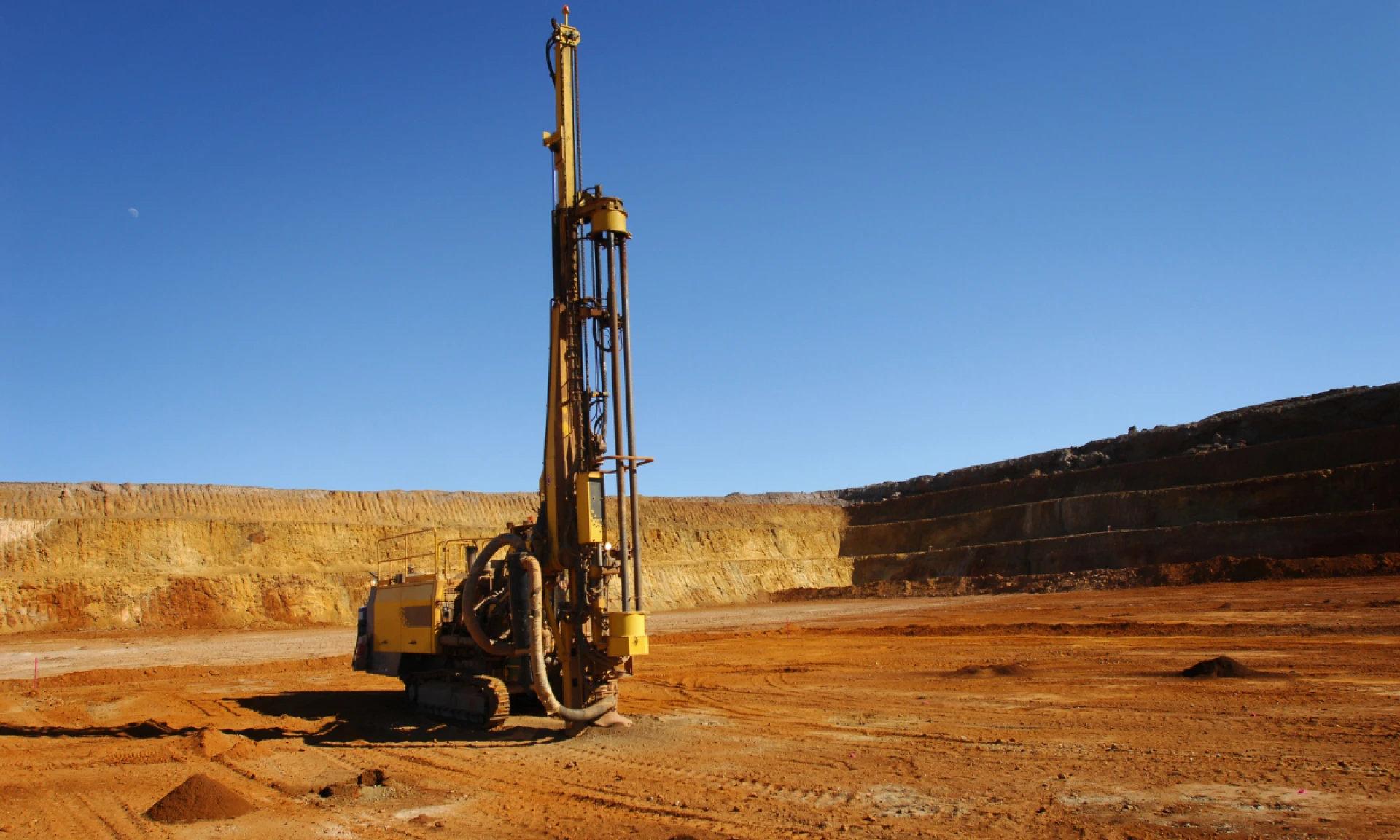
Surface drill rigs are used for drilling on the surface in applications like quarrying, construction, and open-pit mining. They typically feature a vertical mast positioned to drill at precise angles. Surface rigs use top hammer, down-the-hole, and COPROD drilling techniques. A long-feed mast allows deeper holes with fewer rod changes, and these rigs are often fitted with a carousel containing many rods .
Underground drill rigs are designed to operate in confined spaces below ground, such as tunnels and mines. Also known as face drilling rigs or jumbo drills, they are self-propelled machines used to drill blast holes as part of the drill and blast mining method . These rigs are built for maneuverability and precision in space-restricted working areas. Regardless of application, drill rigs must always be designed to keep operators and personnel as safe as possible .
Main Types of Drill Rigs and Their Applications
Face Drill Rigs (Jumbos)
A face drill rig, also known as a jumbo, is used for drilling blast holes in rock faces as part of mine development or tunnelling projects. Jumbos are equipped with one or more booms, allowing precise and efficient drilling patterns in confined spaces . Modern jumbos achieve hole positioning accuracy within ±5 millimetres, significantly improving blast outcomes . They feature a high level of safety and can be controlled by an operator in the cabin or remotely via teleremote control .
Single boom and twin boom configurations are available. Twin boom rigs cover larger face areas more quickly, while single boom rigs offer greater maneuverability in tighter headings .
Underground Production Drill Rigs
Underground production drill rigs are used for longhole drilling in underground mining operations, creating holes for blasting to extract ore efficiently and safely. These rigs are typically employed in large-scale mining methods such as sublevel stoping and block caving. Designed for accuracy and productivity, production drill rigs can drill long, straight holes at various angles, often using automated or semi-automated systems .
Exploration Drill Rigs
Exploration drill rigs collect samples, often from deep underground, which are analyzed to determine the presence, quality, and extent of mineral deposits. These rigs are essential in early mining project stages, providing accurate subsurface information that guides investment decisions and mine planning. They are designed for high precision, depth capability, and adaptability across different terrains . Some exploration rigs are intended for surface use in remote locations, while others are built for drilling within tunnels and tight underground spaces .
Rotary Blasthole Drill Rigs
Rotary blasthole drill rigs are primarily used in large-scale surface mining operations to drill large-diameter holes in a pre-calculated grid pattern for blasting. They are ideal for high-production environments where efficiency and consistency are critical. These rigs are optimized for drilling in hard rock formations with minimal deviation. They feature a comfortable and safe operator cabin and move on crawler tracks .
Raise Boring Rigs
A raise boring rig creates vertical or inclined shafts between two levels in an underground mine. The process involves drilling a pilot hole from one level to another, after which a reaming head is attached and pulled back to enlarge the hole to the required diameter. Raiseboring is commonly used for ventilation shafts, ore passes, and access routes, providing a safer and more controlled alternative to conventional drill-and-blast methods .
Dimension Stone Drilling Equipment
Dimension stone drilling equipment is used in quarrying to extract large, whole blocks of natural stone such as marble, granite, or limestone. Unlike other drilling methods focused on fragmentation, this equipment delivers precision needed to extract high-quality blocks suitable for construction and architectural use .
Drilling Technologies and Methods
Rotary Drilling
Rotary drilling digs a hole by grinding rock with a tool under the effect of weight and rotation. It is mainly used in oil production. Cuttings are brought to the surface under the pressure of drilling fluid injected into the drill string, which also helps consolidate borehole walls .
Down-the-Hole Drilling
Down-the-hole drilling (rotary percussion or rotary hammer drilling) uses drilling rigs that drill with a rotary cutter and hammer the bottom of the hole with a pneumatic hammer. Excavated material rises to the surface under compressed air pressure. These rigs are powerful with high drilling rates, especially in hard and cracked ground up to 4,000 meters deep .
Top Hammer Drilling
Top hammer drilling operates on a percussion system that remains outside the borehole. It is mainly used for small diameter drilling, such as mineral exploration or installation of tie rods in rock. This system is suitable for shallow boreholes due to potential deviation from ground structure .
Auger Boring
Auger boring is a type of rotary drilling using a worm screw. It is mainly used for unconsolidated clay or sand terrain. Excavated material is directly brought to the surface by the worm screw .
Core Drilling
Core drilling resembles rotary drilling but uses a crown to extract a sample, called a core, inside the tool .
Key Questions to Ask Before Purchasing a Drilling Rig
Industry experts recommend answering three critical questions before investing in new drilling equipment :
What type of drilling job consumes 85 percent of my business time? The rig required for your core business will be more productive than purchasing a rig designed for specialty projects.
A big rig can drill any hole, but at what operating cost?
What kind of geology will be encountered more than 85 percent of the time? Mud rotary is productive in high water table areas with consolidated and unconsolidated formations. Dense formations with low water table or fractured zones are more suited for air rotary. A down-the-hole hammer is invaluable in hard formation .
In what type of location does 85 percent of my business take place? Do you drill in fields, housing developments, or urban areas? An ideal rig can be on and off location in less than an hour .
Safety and Reliability Considerations
Safety, reliability, and ease of use are crucial interconnected elements. A machine that is reliable and easy to operate, when used according to manufacturer recommendations, increases user safety . Modern drill rigs must meet demanding safety standards including ATEX certification in environments where methane may be present. Ergonomic features like closed, air-conditioned cabs, good visibility, and low vibration levels reduce operator fatigue .
The SHSTRONGMAC Advantage
With 15 years of experience and a presence in nine countries with over 140 experts, SHSTRONGMAC delivers rugged, high-efficiency drilling and mining equipment built for precision and durability in extreme environments . Our advanced technological intelligence incorporates live scanning and AI-powered analytics for deep geological analysis with unprecedented accuracy. We provide turnkey solutions including project consultation, equipment selection, installation, onsite training, and commissioning .
Our customers in Asia, Africa, Europe, USA, Canada, and Australia trust us for reliable and durable equipment. We focus on continuous R&D, latest advancements, and maintaining high standards of quality.
Testimonial:
"Working with SHSTRONGMAC transformed our mining operations. Their drill rigs deliver consistent performance in our challenging underground environment. The technical support and training provided ensured our team could maximize productivity from day one." – James K., Mining Operations Director, South Africa
Conclusion![The Ultimate Guide to Selecting Drilling Rigs That Drive Sales and Project Efficiency]()
Selecting the right drilling rig is a strategic decision that impacts your entire operation's profitability and efficiency. By understanding the different types, technologies, and critical selection factors, you can make an informed investment that drives sales and project success. SHSTRONGMAC provides world-class drilling solutions backed by expertise and continuous innovation. Contact us today to find the perfect drilling rig for your specific requirements.
Frequently Asked Questions
What are the main types of drill rigs used in mining and construction?
The main types include surface drill rigs, underground production drill rigs, face drill rigs (jumbos), exploration drill rigs, rotary blasthole drill rigs, dimension stone equipment, and raiseboring rigs. Each is designed for specific applications such as tunneling, quarrying, mineral exploration, or large-scale blasting. Choosing the right rig depends on application, rock type, drilling depth, mobility requirements, and production goals .
How do I choose the right drilling rig for my business?
Start by analyzing what type of drilling consumes 85 percent of your business time, what geology you encounter most frequently, and where your work takes place. The rig that handles your core business will be more productive than one designed for specialty projects . Work with your equipment supplier to ensure your expectations align with manufacturer specifications and capacity .
What is the difference between a jumbo drill rig and a low profile drill rig?
A jumbo drill rig is designed for standard or large underground excavations and prioritizes drilling speed and face coverage. A low profile drill rig is purpose-built for mines where working height is severely constrained, typically below 2 meters, requiring completely different machine design to operate effectively .
What is the difference between single boom and twin boom drill rigs?
A single boom rig has one drilling unit and drills one hole at a time. A twin boom rig operates two booms simultaneously, covering a larger face area more quickly. Twin boom suits large-face, high-output operations; single boom offers greater maneuverability in tighter headings .
What drilling accuracy do modern drill rigs achieve?
Modern drill rigs equipped with automatic drilling systems maintain hole positioning accuracy within ±5 millimetres. This level of precision significantly improves blast outcomes and reduces variability across the production cycle .
Why is proper drilling rig selection so important?
Wrong selection of drilling equipment can lead to an increase in development cycle time up to 30 to 40 percent . This directly affects drill economics, project timelines, and feasibility. The right choice ensures optimal penetration rates, reduced downtime, and successful project outcomes.


























Sign in to leave a comment.