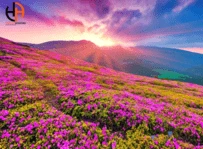

The Valley of Flowers is not just a destination; it\'s an experience that enchants every nature lover, hiker, and botanist. Nestled in the Himalayas of Uttarakhand, India, this UNESCO World Heritage Site is renowned for its stunning array of flora, serene landscapes, and breathtaking vistas. If you\'re contemplating a trek to this natural paradise, you’re in the right place. In this comprehensive guide, we\'ll delve into every aspect of the Valley of Flowers trek, ensuring you have all the information needed for an unforgettable journey.
Introduction to the Valley of Flowers
The Valley of Flowers National Park is a gem located in the Western Himalayas. Known for its vibrant meadows and an extensive variety of alpine flowers, this park covers an area of approximately 87.5 square kilometers. The valley\'s unique climatic conditions foster the growth of a diverse range of flora, making it a botanical paradise.
Historical Significance and Discovery
Discovered by British mountaineer Frank Smythe in 1931, the Valley of Flowers was initially explored as part of an expedition. Smythe, captivated by the valley’s beauty, described it in his writings, which later played a crucial role in its recognition and protection. The area was declared a national park in 1982 and a UNESCO World Heritage Site in 2004, emphasizing its global ecological and cultural importance.
Planning Your Trek
Best Time to Visit
The optimal time to undertake the Valley of Flowers trek is from mid-June to mid-September. During these months, the valley is adorned with a vibrant carpet of blooming flowers, creating an extraordinary spectacle. The monsoon season during this period ensures the meadows are lush and green, though travelers should be prepared for occasional rain showers.
Permits and Regulations
To trek in the Valley of Flowers, a permit is required. Permits can be obtained from the Forest Department offices in Joshimath or Govindghat. It is advisable to secure permits well in advance, especially during the peak trekking season.
Preparing for the Trek
Physical Fitness
The trek to the Valley of Flowers requires moderate physical fitness. While the trek is manageable for most, maintaining a reasonable level of fitness can enhance your experience. Regular cardiovascular and strength training exercises are recommended to prepare your body for the demands of the trek.
Gear and Equipment
Packing the right gear is crucial for a comfortable trek. Essentials include:
- Sturdy Trekking Boots: Ensure they are well-fitted and broken-in to avoid blisters.
- Warm Clothing: Layers are essential as temperatures can vary greatly.
- Rain Gear: A waterproof jacket and pants are necessary due to unpredictable weather.
- Trekking Poles: Helpful for maintaining balance on uneven terrain.
- Sunscreen and Sunglasses: Protection from the sun is important at high altitudes.
Safety and Tips
Health and Safety
- Stay Hydrated: Carry sufficient water and stay hydrated throughout the trek.
- Altitude Sickness: Be aware of symptoms like headache and nausea. Acclimatize properly and seek medical attention if symptoms persist.
- Weather Conditions: Be prepared for sudden weather changes and carry appropriate clothing and gear.
Respect the Environment
The Valley of Flowers is a protected area. Follow the “Leave No Trace” principles to preserve the park’s natural beauty. Avoid picking flowers, disturbing wildlife, or leaving behind litter.
Conclusion
The Valley of Flowers Trek Uttarakhand is a truly enchanting journey, offering a unique opportunity to immerse oneself in one of the world’s most breathtaking natural landscapes. From the vibrant floral displays to the stunning Himalayan scenery, this trek promises an experience of a lifetime. Proper preparation, respect for nature, and a sense of adventure will ensure you make the most of this incredible journey.























Sign in to leave a comment.