
Discover the myriad ways a yard tarp can make your outdoor chores easier and more efficient. From protecting your lawn from debris to assisting in gardening tasks, this comprehensive guide will explore the versatile uses of a yard tarp, practical tips for selecting the right one, and maintenance advice to ensure longevity.
When it comes to maintaining a beautiful and well-organized yard, few tools are as versatile and indispensable as a yard tarp. This simple yet highly functional piece of equipment can transform the way you manage outdoor chores, making tasks more efficient and less strenuous. Whether you're a seasoned gardener or a weekend warrior, a yard tarp can be your best ally. In this guide, we'll delve into the various uses of a yard tarp, provide tips for choosing the right one, and share maintenance advice to extend its lifespan.
The Many Uses of a Yard Tarp
1. Collecting Debris
One of the most common uses for a yard tarp is collecting yard debris such as leaves, branches, and grass clippings. Spread the tarp on the ground and rake or blow the debris onto it. Once it's full, you can easily drag the tarp to your compost pile or disposal area. This method saves time and effort compared to traditional raking and bagging.
2. Transporting Materials
A yard tarp is perfect for transporting heavy or bulky materials like soil, mulch, gravel, or firewood. Simply load the materials onto the tarp and use the corners or handles to carry or drag it to the desired location. This is especially useful in areas where wheelbarrows are difficult to maneuver.
3. Weed Control
Using a tarp as a weed barrier can be an effective way to keep unwanted plants at bay. Cover areas of your garden or yard with a tarp to block sunlight and prevent weeds from growing. This method is particularly useful for preparing new garden beds or pathways.
4. Temporary Shelter
In a pinch, a yard tarp can serve as a temporary shelter from the elements. Whether you're caught in an unexpected rainstorm or need shade from the sun, a tarp can be quickly set up using ropes and stakes to provide protection.
5. Protecting Plants
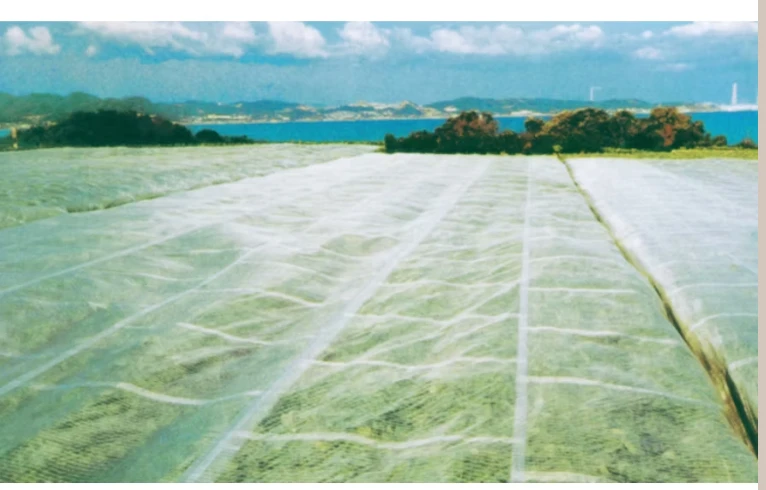
During extreme weather conditions such as frost or heavy rain, a yard tarp can be used to protect delicate plants. Covering your plants with a tarp can shield them from damage and help maintain optimal growing conditions.
6. Camping and Outdoor Activities
Beyond yard work, a tarp is a versatile accessory for camping and outdoor activities. It can be used as a ground cover for your tent, a makeshift shelter, or a picnic blanket. Its portability and ease of use make it a valuable addition to any outdoor adventure.
Choosing the Right Yard Tarp
When selecting a yard tarp, there are several factors to consider to ensure you get the most suitable one for your needs:
Material
Yard tarps are typically made from polyethylene, canvas, or mesh. Polyethylene tarps are waterproof and durable, making them ideal for heavy-duty tasks and weather protection. Canvas tarps are breathable and robust, suitable for covering plants or creating shelters. Mesh tarps are lightweight and allow air and water to pass through, making them perfect for temporary shade or protecting delicate plants.
Size
The size of the tarp should match the scope of your tasks. For general yard work, a medium-sized tarp (around 8x10 feet) is usually sufficient. For larger projects or when covering extensive areas, opt for a bigger tarp to avoid frequent repositioning.
Reinforcement and Grommets
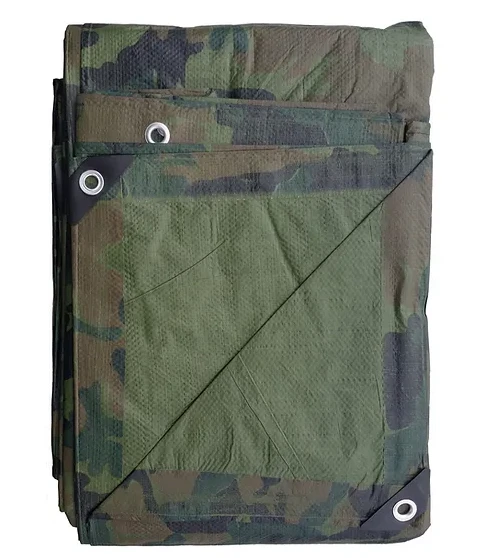
Look for tarps with reinforced edges and sturdy grommets. Reinforced edges prevent tearing, while grommets allow you to secure the tarp with ropes or stakes, ensuring it stays in place even in windy conditions.
Color
While color might seem like a minor consideration, it can affect the tarp's functionality. Dark-colored tarps absorb more heat and may be better for weed control, while light-colored tarps reflect sunlight, keeping covered areas cooler.
Maintaining Your Yard Tarp
Proper maintenance can significantly extend the life of your yard tarp. Here are some tips to keep it in top condition:
Cleaning
After each use, shake off any debris and hose down the tarp if necessary. For stubborn dirt or stains, use mild soap and a soft brush. Avoid using harsh chemicals that could degrade the material.
Storage
Store your tarp in a cool, dry place when not in use. Folding it neatly and keeping it off the ground can prevent damage from moisture, pests, and UV exposure.
Repairs
Inspect your tarp regularly for signs of wear and tear. Small holes or tears can be repaired using tarp repair tape or patches. Addressing these issues promptly can prevent further damage and prolong the tarp's usefulness.
In conclusion, a yard tarp is a highly versatile and practical tool that can simplify many outdoor tasks. By choosing the right tarp and maintaining it properly, you'll have a reliable assistant for all your yard work and outdoor activities. Invest in a quality yard tarp today, and experience the convenience and efficiency it brings to your gardening and maintenance routines.




























Sign in to leave a comment.