
Navigating the complex architecture of a tree canopy requires a unique blend of physical endurance, spatial awareness, and specialized technical equipment. In the modern forestry and arboriculture sectors, the transition from basic climbing to high-efficiency vertical work has been driven by significant mechanical innovations. Among these advancements, the development of precision climbing gear stands out as a critical factor in both worker safety and operational speed. This article examines the essential role of specialized climbing technology and how it continues to shape the professional standards of the industry.
Technical Requirements for Modern Tree Climbing Spikes
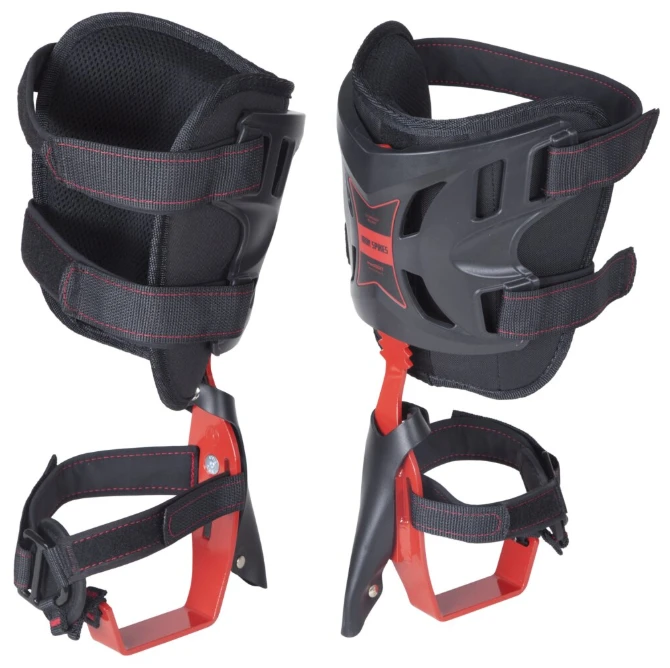
The foundation of a safe ascent lies in the interface between the climber and the trunk. Traditional methods often lacked the lateral stability required for complex pruning or removal tasks, leading to premature fatigue and increased risk. Modern tree climbing spikes have solved this by incorporating anatomical shanks that follow the natural contour of the leg. This design ensures that the force exerted by the climber is directed vertically into the wood, providing a solid platform for hands-free work. High-grade alloys have replaced heavy steels, allowing for a significant reduction in weight without compromising the structural integrity required to support a fully geared professional.
Safety Protocols and Tree Climbing Spikes Maintenance
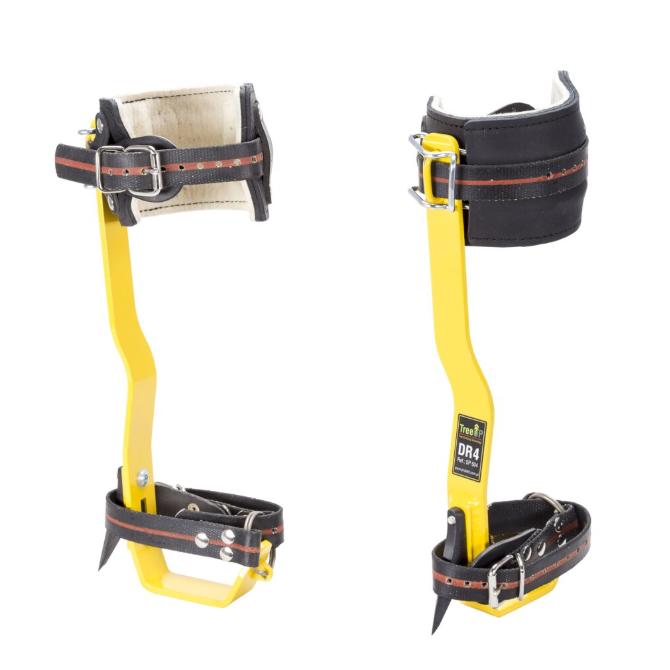
Reliability in the field is a product of both engineering and meticulous maintenance. Because tree climbing spikes are subject to extreme mechanical stress and environmental contaminants like sap and moisture, they require a disciplined inspection routine. Professionals must regularly check the sharpness and angle of the gaffs to ensure they provide a consistent "bite" into various bark densities. Furthermore, the integrity of the strapping systems—often made of high-tensile synthetics or reinforced leather—is paramount. A failure in the fastening mechanism at height can be catastrophic, which is why the industry has moved toward redundant locking systems and heavy-duty buckles.
Ergonomics: Reducing Physical Strain at Height
Arboriculture is one of the most physically demanding professions, often resulting in long-term joint and muscle issues if improper equipment is used. The ergonomic evolution of tree climbing spikes focuses on pressure distribution. By utilizing broad, moisture-wicking calf pads and height-adjustable stirrups, manufacturers have managed to mitigate the localized pressure that previously caused circulation problems. When tree climbing spikes are correctly fitted, they act as an extension of the body, allowing the arborist to maintain a neutral posture while navigating the canopy. This ergonomic focus not only extends the career longevity of the climber but also increases the precision of the work performed.
Engineering Excellence with Protekt UK Solutions
While the principles of climbing remain rooted in tradition, the tools used to execute them are constantly being refined by industry leaders. Protekt UK exemplifies this commitment to excellence by offering a range of tree climbing spikes that meet the highest international safety standards. The equipment is designed with the professional in mind, balancing lightweight construction with the rugged durability needed for harsh forestry environments. By integrating feedback from field experts into their manufacturing process, Protekt UK ensures that every piece of gear provides the reliability and comfort necessary for those who make their living among the branches.

























Sign in to leave a comment.