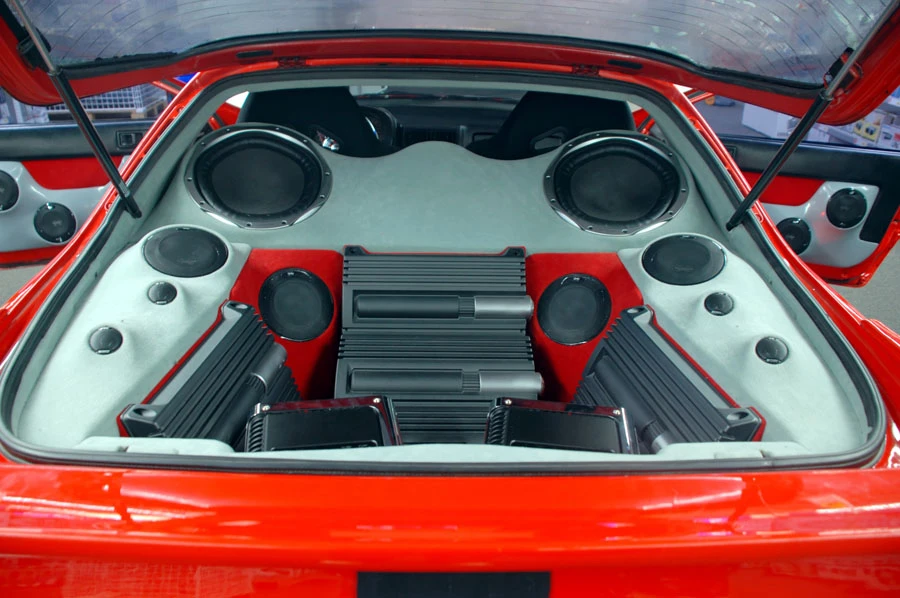

Car audio enthusiasts often seek to upgrade their sound systems for a more immersive and powerful listening experience. One essential component in this endeavor is the car amplifier, which plays a crucial role in enhancing the quality of sound in your vehicle. Whether you're a seasoned audiophile or a newcomer to the world of car audio, here are some key things you should know about car amplifiers.
Amplifier Basics
At its core, a car amplifier is an electronic device that boosts the power of an audio signal, allowing it to drive speakers more effectively. It takes a low-power audio signal from the head unit (the stereo) and amplifies it to a level that can drive speakers or subwoofers. This increased power results in cleaner, louder, and more dynamic sound.
Types of Car Amplifiers
There are several types of car amps, each serving different purposes:
Mono (Class D) Amplifiers: These are designed to power subwoofers and are highly efficient. They provide a single channel of amplification, making them ideal for bass frequencies.
2-Channel Amplifiers: These can power two speakers (usually left and right channels) and are commonly used for front or rear speakers.
4-Channel Amplifiers: These can power four speakers, making them suitable for a full car audio setup with front and rear speakers.
5-Channel Amplifiers: These are a combination of a 4-channel and a mono amplifier, making them ideal for systems with both speakers and subwoofers.
Power Ratings
Amplifiers are rated by their power output, typically measured in watts. There are two key specifications to consider:
RMS Power (Root Mean Square): This is the continuous power an amplifier can deliver over a long period of time. It's a more accurate indicator of an amplifier's performance than peak power.
Peak Power: This is the maximum power an amplifier can deliver in short bursts, typically during dynamic audio moments. While it's an attention-grabbing number, it's not a good indicator of real-world performance.
Impedance Matching
It's crucial to match the amplifier's impedance (measured in ohms) with that of the speakers. Using an amplifier with an incorrect impedance rating can lead to poor sound quality or, in extreme cases, damage to the equipment.
Installation and Wiring
Proper installation is key to getting the best performance from your amplifier. This includes securely mounting the amplifier, using the correct gauge of wiring, and ensuring good electrical connections.
Crossovers and Filters
Many amplifiers come with built-in crossovers and filters. These allow you to tailor the sound to your preference and ensure that the right frequencies are sent to the appropriate speakers or subwoofers.
Consider Your Car's Electrical System
A powerful amplifier requires a robust electrical system. Ensure that your car's alternator and battery can support the increased power demands to avoid electrical issues.
Tuning and Adjustments
After installation, proper tuning is essential. This involves adjusting the amplifier settings to match your speakers and listening preferences. This step can significantly impact the overall sound quality.
Budget and Quality
While it's tempting to go for the most powerful amplifier, it's essential to balance your budget with the quality of the components. A high-quality amplifier paired with well-matched speakers can provide a fantastic audio experience.
Safety First
Always follow safety precautions during installation. Disconnect the car battery and ensure that all connections are secure and insulated to prevent short circuits or electrical hazards.
In conclusion, understanding the fundamentals of car amplifiers is crucial for achieving the best audio experience in your vehicle. Whether you're aiming for earth-shaking bass or crystal-clear highs, choosing the right amplifier and installing it correctly can make a world of difference in your car audio setup.

































Sign in to leave a comment.