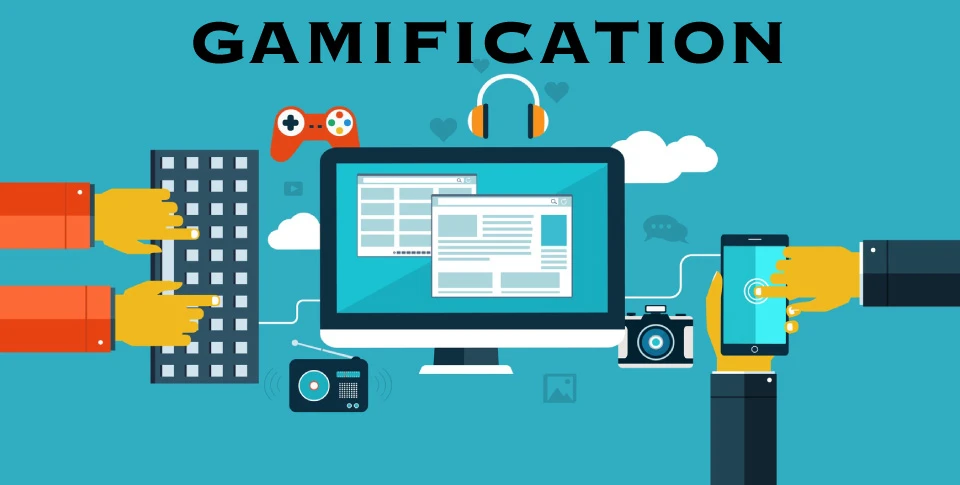

In the ever-evolving world of sales, finding innovative ways to motivate and engage your sales team is crucial for success. One such technique gaining popularity is sales gamification. This approach leverages the principles of game design to increase productivity, motivation, and overall performance within a sales organization.
What is Sales Gamification?
Sales gamification is the application of game mechanics and dynamics in a sales context to encourage healthy competition, boost motivation, and enhance performance. It involves incorporating elements like points, badges, leaderboards, and rewards into the sales process to create a more engaging and competitive environment.
The Science Behind Gamification
1. Intrinsic Motivation
Gamification taps into intrinsic motivators like autonomy, mastery, and purpose. It gives individuals a sense of control over their progress, opportunities to improve their skills, and a clear understanding of their contribution to the team's success.
2. Dopamine and Reward Systems
Engaging in activities that lead to rewards triggers the release of dopamine, a neurotransmitter associated with pleasure and motivation. This neurochemical response reinforces positive behaviors and encourages individuals to continue engaging in them.
3. Behavioral Psychology
Sales gamification leverages behavioral psychology principles, such as operant conditioning and positive reinforcement, to shape and reinforce desired behaviors. Through rewards and recognition, it encourages reps to repeat actions that lead to success.
Key Components of Sales Gamification
1. Clear Objectives
Define specific goals that align with your sales team's overall objectives. These could include metrics like revenue targets, lead generation, conversion rates, or customer satisfaction scores.
2. Game Elements
Incorporate elements like points, badges, levels, and leaderboards to track and showcase individual and team performance. These elements create a visual representation of progress and success.
3. Meaningful Rewards
Offer rewards that are valuable and meaningful to your sales team. These could range from monetary incentives, gift cards, extra vacation days, or recognition ceremonies.
4. Real-time Feedback
Provide timely and constructive feedback to help individuals understand their performance, areas for improvement, and where they stand in relation to their peers.
5. Flexibility and Adaptability
Allow for adjustments in the game mechanics and objectives as needed. This ensures that the gamification strategy remains effective and engaging over time.
Benefits of Sales Gamification
1. Increased Motivation
By introducing elements of competition and recognition, sales gamification boosts motivation and enthusiasm among team members.
2. Improved Performance
When individuals are engaged and motivated, they tend to put in more effort and focus on achieving their targets, resulting in improved overall performance.
3. Enhanced Learning and Skill Development
Gamification encourages continuous learning and skill development as individuals strive to improve their performance and move up the leaderboard.
4. Team Collaboration
Sales gamification can foster a sense of camaraderie and teamwork as colleagues work together to achieve common goals.
5. Data-Driven Insights
Through the metrics and data generated by the gamification platform, you can gain valuable insights into individual and team performance, allowing for data-driven decision-making.
Potential Pitfalls and Considerations
While sales gamification can be highly effective, it's important to be mindful of potential pitfalls:
1. Overemphasis on Competition
Too much emphasis on competition can lead to a cutthroat environment that may not be conducive to long-term team cohesion.
2. Inequitable Rewards
Ensure that rewards are distributed fairly and that all team members have a chance to benefit from the gamification program.
3. Lack of Meaningful Feedback
Real-time, constructive feedback is crucial for the success of sales gamification. Without it, team members may not understand how to improve.
In conclusion, sales gamification is a powerful tool that, when implemented thoughtfully, can significantly enhance the performance and motivation of your sales team. By understanding the underlying psychological principles and considering the key components, you can create a gamification strategy that drives success in your organization.





























Sign in to leave a comment.