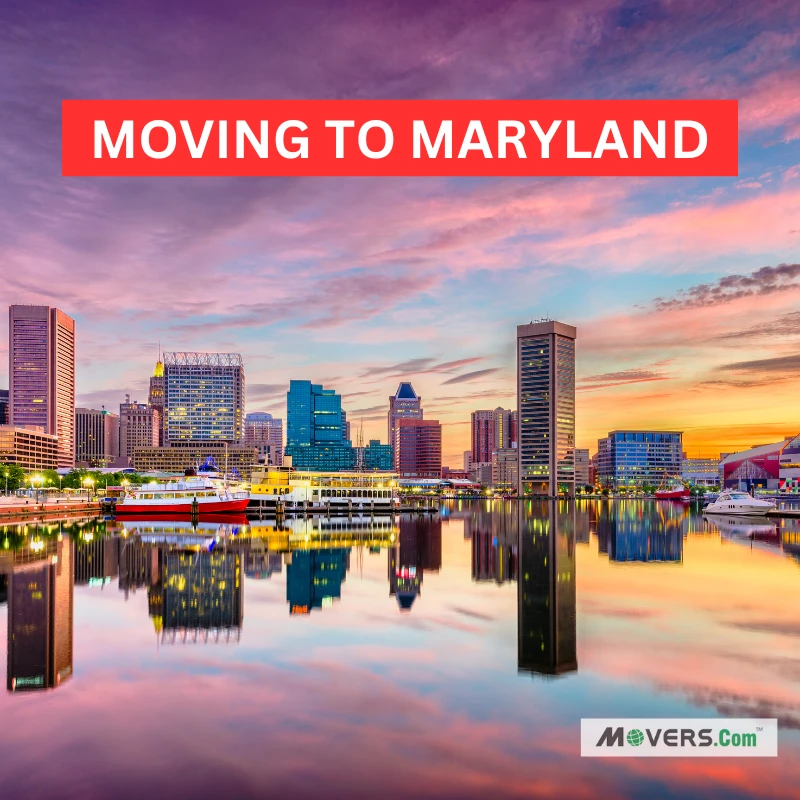

Maryland sits quietly between the hustle of the Northeast and the slower pace of the South. It’s a small state, but its packed in a surprising mix of city life, nature, history, and opportunity. Whether you are heading to Baltimore, settling near Chesapeake Bay, or looking for something in between, there’s a lot to consider before making Maryland your new home.
Cost of Living: Not Cheap, But Not Out of Reach
Maryland isn’t the most affordable state, but it’s not the most expensive either. How much you’ll spend really depends on where you decide to live. For example, places like Bethesda, Rockville, and Silver Spring (close to Washington, D.C.) are on the pricier side. Rent for a one-bedroom apartment there can easily run between $1,800 and $2,500 a month. Buying a home in these areas often means crossing the $500,000 mark.
Move a bit farther out to towns like Frederick, Hagerstown, or Salisbury, and things get more affordable. You can find homes under $350,000 and rent that feels more manageable.
Groceries, gas, and utility costs are average for the U.S. Healthcare leans a little above average. Car insurance tends to be on the higher side, especially around urban centers.
Getting Around: Options Vary by Region
Transportation in Maryland depends a lot on where you live. In cities like Baltimore or the D.C. suburbs, you can get by without a car. The Maryland Transit Administration (MTA) runs buses, light rail, and the Metro SubwayLink in Baltimore. There’s also the MARC Train, which connects Baltimore to D.C. and other parts of the state.
If you’re in Montgomery or Prince George’s County, the Washington Metro (WMATA) is your go-to for commuting into D.C.
Many Marylanders rely on their cars, especially in rural and suburban areas where public transit is limited. Traffic can be tough, especially near D.C. and Baltimore. Maryland has decent biking trails, but most daily errands still require driving.
Weather: Four Real Seasons
Maryland gives you a bit of everything when it comes to weather. Summers are warm and humid, usually in the upper 80s with a decent amount of sunshine and the occasional thunderstorm. Winters bring cold temperatures, especially in the western parts of the state. Snow is common but not overwhelming unless you’re in the mountains.
Spring and fall are pleasant, with crisp air, blooming flowers, and colorful leaves. If you like variety in your weather, Maryland delivers. Just make sure you’ve got both sunscreen and snow boots.
Jobs and Economy: Strong in Key Areas
Maryland has a solid job market. It’s especially strong in sectors like healthcare, education, government, and cybersecurity. Proximity to Washington, D.C. creates a lot of federal jobs. Agencies like the National Institutes of Health (NIH), NASA, and the FDA have a strong presence here.
Baltimore has seen growth in tech and healthcare. Areas like Columbia and Annapolis offer opportunities in business and public service.
Unemployment tends to stay below the national average. The wages are decent. If you work in D.C. but live in Maryland, you might find the balance between salary and housing cost more favorable than living in the city itself.




























Sign in to leave a comment.