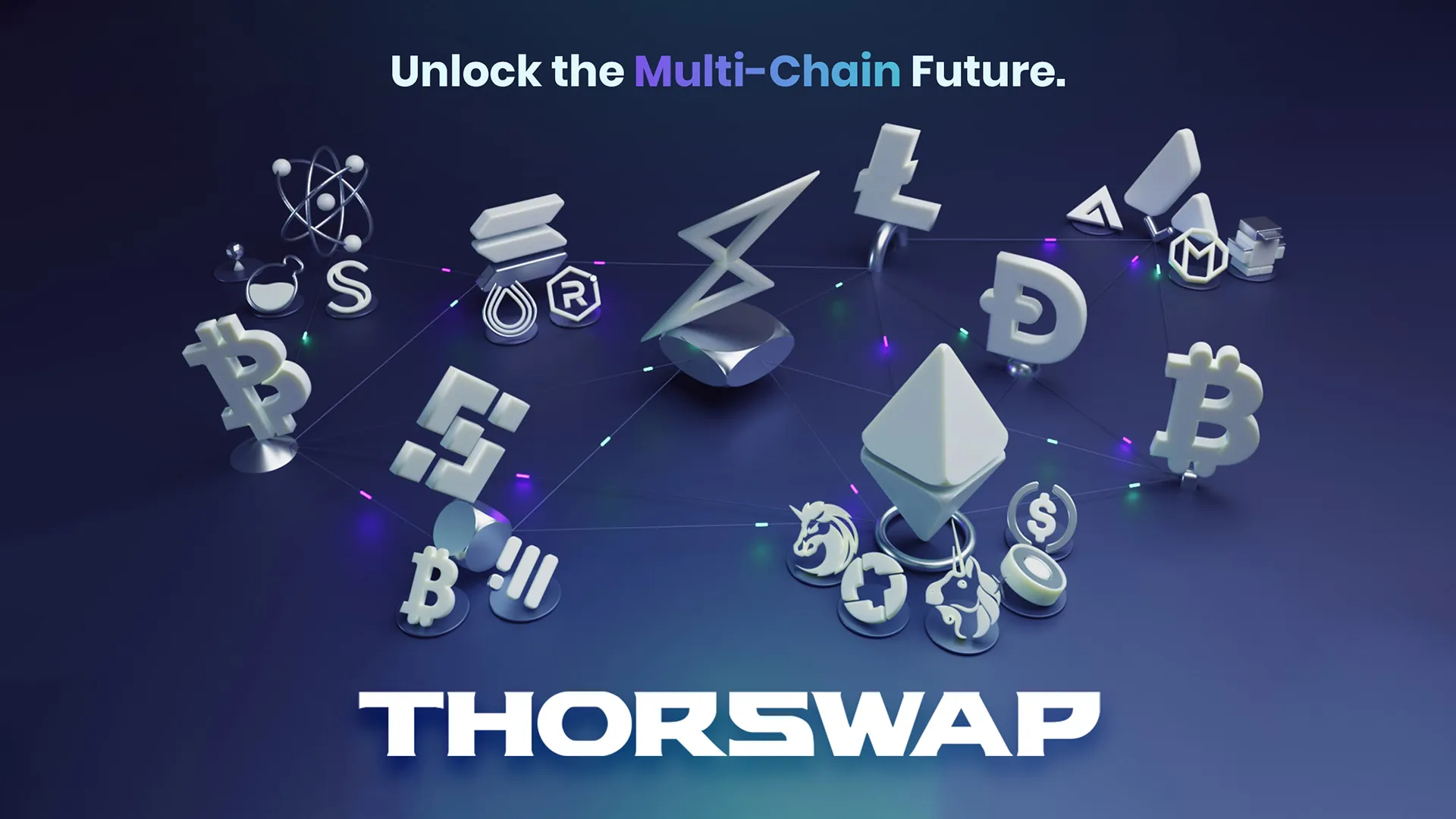

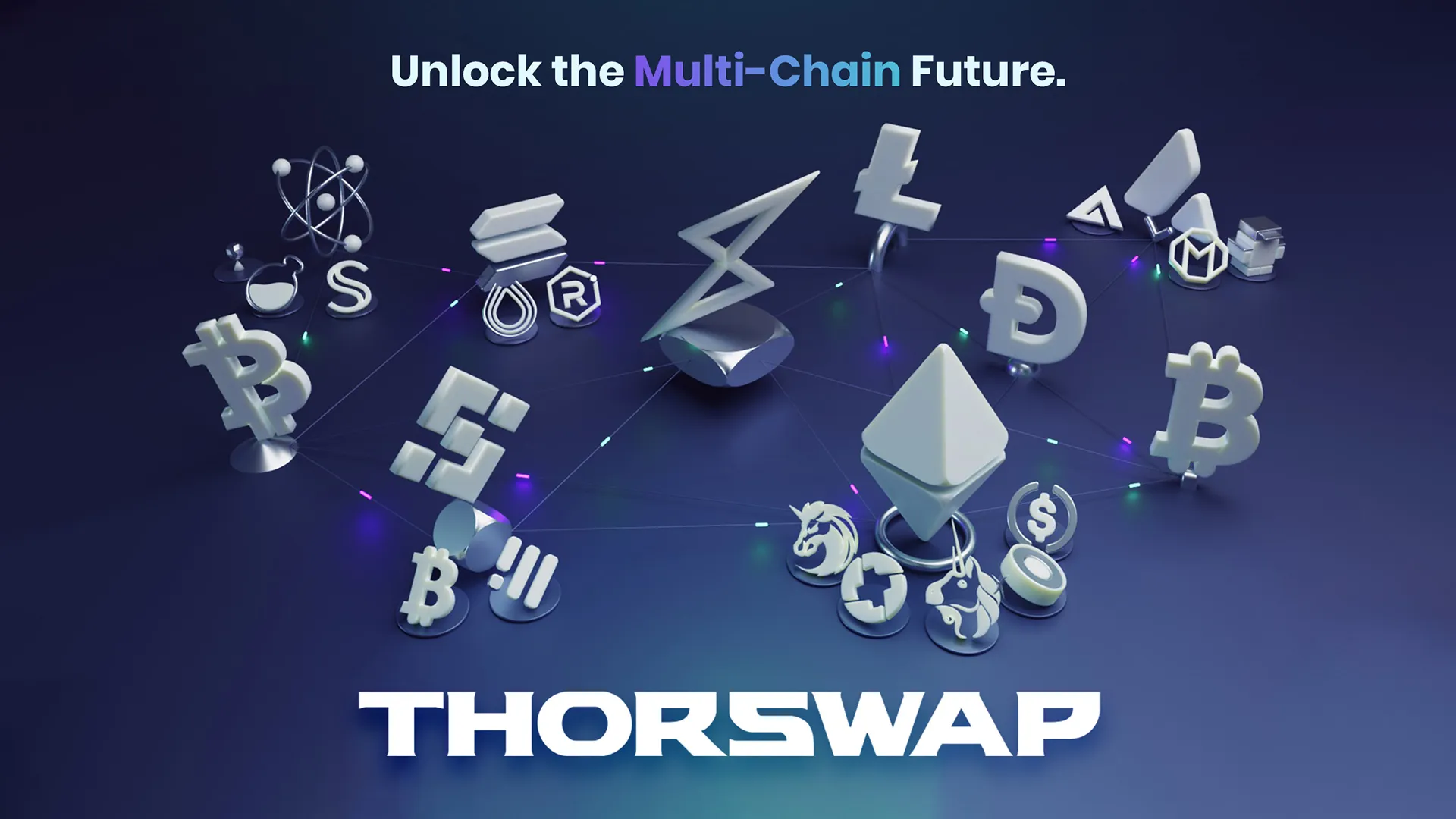
THORSwap and the Challenge of Fragmented Crypto Liquidity
THORSwap has positioned itself as a practical solution to one of the most persistent issues in decentralized finance: fragmented liquidity across multiple blockchains. While the crypto ecosystem has expanded rapidly, it has done so in silos. Bitcoin, Ethereum, and other networks operate independently, forcing users to rely on centralized exchanges or complicated bridging mechanisms to move assets.
THORSwap approaches this problem with a fundamentally different design. Instead of connecting blockchains through custodial systems or synthetic tokens, it enables direct swaps between native assets. This means users can move value across ecosystems while maintaining full control of their funds.
The importance of this approach becomes clearer as the market evolves. Interoperability is no longer a niche requirement—it is essential infrastructure. THORSwap contributes to this shift by making cross-chain liquidity more accessible, efficient, and aligned with decentralized principles.
How THORSwap Works in the Background
Although THORSwap presents a simple interface, the underlying system is highly sophisticated. It operates as a front-end layer for THORChain, a blockchain specifically built to handle cross-chain liquidity.
Instead of traditional order books, THORChain uses automated market maker mechanics. Liquidity pools are formed by pairing external assets with RUNE, the network’s native token. When a user initiates a swap, the system routes the transaction through RUNE, allowing assets from different blockchains to interact seamlessly.
For example, swapping Bitcoin for Ethereum does not require a direct BTC–ETH pool. Instead, Bitcoin is first exchanged for RUNE, and then RUNE is exchanged for Ethereum. This structure simplifies liquidity management while enabling a wide range of asset combinations.
The network is maintained by decentralized node operators who manage vaults containing real assets. These operators must bond RUNE as collateral, ensuring they have a financial incentive to act honestly. If they fail to do so, their bonded assets are at risk.
THORSwap abstracts all of this complexity, allowing users to interact with the system in a straightforward way.
The Importance of Native Asset Swapping
A key feature that defines THORSwap is its focus on native asset swaps. This sets it apart from many cross-chain solutions that rely on wrapped or synthetic tokens.
Wrapped assets introduce an additional layer of trust. Users must rely on the entity or smart contract managing the collateral. This can create vulnerabilities and reduce transparency.
THORSwap removes that dependency. By enabling direct swaps of native assets, it reduces risk and simplifies the user experience. Users retain exposure to the original asset, which aligns with the core principles of decentralized finance.
This approach also enhances transparency. Since there are no synthetic representations involved, users can verify transactions more easily and maintain confidence in the system.
Token Structure and Functional Roles
The THORSwap ecosystem is supported by a structured token model that ensures both operational efficiency and network security.
RUNE as the Central Asset
RUNE is the backbone of the system. Every swap passes through it, making it essential for cross-chain functionality. It acts as the settlement layer that connects different assets.
RUNE also plays a critical role in securing the network. Node operators must bond it as collateral, aligning their incentives with the protocol’s stability. If a node behaves maliciously, its bonded assets can be slashed.
Liquidity pools are built around RUNE, with each pool pairing it against an external asset. This design ensures consistent liquidity and efficient price discovery.
THORSwap Token and Ecosystem Growth
THORSwap has its own token used primarily for governance and community incentives. This token helps drive user engagement and supports the long-term development of the platform.
While it does not directly affect swap mechanics, it contributes to the broader ecosystem by aligning user participation with platform growth.
Economic Model and Incentive Design
The economic structure of THORSwap is designed to reward participation while maintaining system stability.
Liquidity providers deposit assets into pools and earn a share of the fees generated by swaps. These fees adjust dynamically based on market conditions, helping maintain balance within the system.
Node operators earn rewards for securing the network, but they must also bond RUNE as collateral. This creates a strong incentive to act honestly and protect the network.
Swap fees are distributed between liquidity providers and node operators, creating a circular economy where all participants benefit from increased activity.
This model ensures that the system remains sustainable without relying on artificial incentives.
Key Advantages of THORSwap
THORSwap offers several advantages that make it stand out in the decentralized finance landscape.
One of the most important is its ability to facilitate cross-chain swaps without intermediaries. Users retain full control over their assets at all times.
Decentralization is deeply embedded in the system. There is no central authority managing funds, and all operations are governed by transparent rules.
The platform also improves capital efficiency by reducing liquidity fragmentation. This leads to better pricing and smoother trading experiences.
Transparency is another key benefit. All transactions and liquidity data are recorded on-chain, allowing users to verify activity independently.
The user interface is designed to be intuitive, making complex blockchain interactions accessible to a wider audience.
Who Can Benefit from THORSwap
THORSwap is designed to serve a broad range of users within the crypto ecosystem.
Retail traders can use it to swap assets across blockchains without relying on centralized exchanges.
Liquidity providers can earn passive income by contributing assets to pools.
Experienced users who value decentralization will appreciate the platform’s alignment with self-custody principles.
Long-term investors can use THORSwap to rebalance their portfolios without leaving the decentralized environment.
Real Use Cases and Practical Value
The real-world utility of THORSwap becomes evident through its use cases.
Portfolio diversification is one of the most common applications. Users can move between assets across different blockchains without converting to fiat.
Cross-chain arbitrage is another opportunity. Traders can take advantage of price differences across ecosystems without dealing with bridging delays.
The platform also supports decentralized asset management, allowing users to manage their holdings while maintaining full control over their funds.
Access to native assets across chains is another important benefit, reducing reliance on synthetic tokens.
Risks and Considerations
While THORSwap offers many advantages, it is important to understand the associated risks.
Smart contract vulnerabilities are always a possibility in decentralized systems.
Liquidity providers may experience impermanent loss due to price fluctuations.
Market volatility can affect both trading and liquidity positions.
The platform depends on the stability of THORChain, so any issues at the protocol level can impact performance.
Regulatory developments may also influence how decentralized platforms operate in the future.
Understanding these risks helps users make informed decisions.
What Makes THORSwap Unique
THORSwap stands out because of its ability to combine advanced technology with a user-friendly interface.
Its use of continuous liquidity pools eliminates the need for traditional order books.
Dynamic fees help maintain balance within the system by adapting to market conditions.
The economic model ensures that all participants are incentivized to act in the network’s best interest.
Most importantly, it makes cross-chain trading accessible without requiring deep technical knowledge.
Future Outlook and Growth Potential
The future of THORSwap is closely tied to the growth of blockchain interoperability.
As more networks emerge, the need for seamless asset movement will continue to increase. THORSwap is well-positioned to meet this demand.
Future developments may include expanded support for additional assets, deeper liquidity pools, and more advanced financial tools.
The platform aligns with the broader vision of a decentralized financial system that is open, connected, and efficient.
Frequently Asked Questions
What is THORSwap used for?
THORSwap is used to swap cryptocurrencies across different blockchains without relying on centralized exchanges or wrapped tokens.
Is THORSwap decentralized?
Yes, it operates on a decentralized infrastructure powered by THORChain and independent node operators.
What is RUNE in THORSwap?
RUNE is the core token used for liquidity, settlement, and network security.
Can I earn rewards on THORSwap?
Yes, users can earn fees by providing liquidity to pools.
Does THORSwap support Bitcoin?
Yes, it supports native Bitcoin swaps without wrapping.
Is THORSwap beginner-friendly?
The interface is simple, but basic knowledge of DeFi is helpful.
Final Thoughts and Call to Action
THORSwap represents a significant step forward in decentralized finance by solving the problem of cross-chain liquidity in a practical and secure way. Its focus on native asset swaps, combined with a strong economic model, makes it a compelling option for users seeking more control over their digital assets.
As the crypto ecosystem continues to evolve, platforms that enable seamless interoperability will play a critical role. THORSwap is positioned to be part of that future.
If you are exploring decentralized finance and want a more flexible way to move assets across blockchains, THORSwap is worth understanding. Take the time to explore its features, evaluate its potential, and consider how it fits into your broader strategy.






















Sign in to leave a comment.