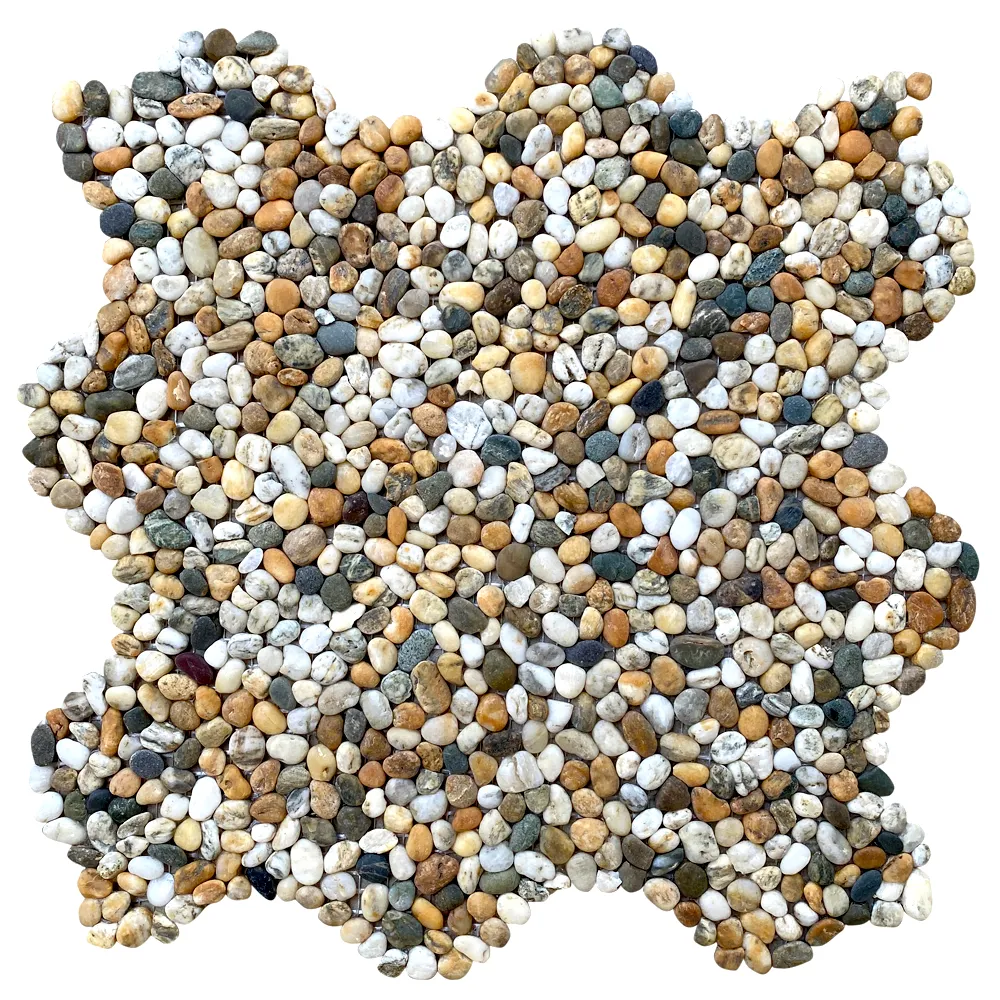

Whether you're updating a kitchen backsplash, giving your bathroom a spa-like makeover, or planning a full home renovation, choosing the right tile store can make all the difference. The best stores don’t just sell tiles—they offer inspiration, expert guidance, and solutions that bring your vision to life.
In today’s design-driven world, tiles come in endless varieties—porcelain, ceramic, marble, glass, mosaics, and more. But knowing where to find the right tile is just as important as choosing the tile itself.
Here’s what to look for in a great tile store and how to make your shopping experience smooth, enjoyable, and budget-friendly.
What Makes a Great Tile Store?
1. A Wide Selection of Styles
A good tile store should feel like a gallery.
You want to see options that reflect different trends, colors, textures, and finishes. From contemporary large-format slabs to classic subway tiles and luxury natural stone, a wide selection ensures you can compare, mix, and match without compromise.
2. Knowledgeable Staff
Tile isn’t just about looks—it's about durability, slip-resistance, maintenance, and installation requirements.
Helpful staff can guide you toward products that fit your lifestyle, space, and budget. A great store won't just sell you a tile—they'll help you understand it.
3. Competitive Pricing
Quality tiles come at different price points. The best stores offer:
- Transparent pricing
- Clear differences between budget and premium lines
- Occasional promotions or bundle deals
Shopping smart doesn’t mean cutting corners—it means knowing value.
4. Installation Support
Many tile stores work closely with professional installers or offer referral lists.
Some even provide full installation services, saving you the stress of finding reliable contractors on your own.
5. Samples & Visualization Tools
Seeing tiles online is one thing—seeing them in your home is another.
Stores that offer samples, design consultations, or digital visualizers make decision-making far easier.
Tips for Choosing the Right Tile
- Think long-term: Choose materials that can handle wear and tear.
- Mind the grout: Color and width can totally change the look.
- Match the room: Matte tiles may work better in bathrooms; glossy tiles shine in kitchens.
- Buy extra: Always order at least 10% more tiles in case of cuts or future repairs.
Final Thoughts
The right tile store doesn’t just sell products—it helps you build your dream space. Whether you're a DIY enthusiast or working with designers and contractors, choosing a reputable store ensures your renovation is a smooth, beautiful success.
FAQ: Tile Store Common Questions
1. Are porcelain or ceramic tiles better?
Porcelain is denser, more durable, and water-resistant—ideal for bathrooms and flooring.
Ceramic is often more affordable and great for walls or low-traffic spaces.
2. Can I install floor tiles on the wall?
Yes! Many floor tiles can be used on walls, but wall tiles generally can’t be used on floors because they’re thinner and not designed for pressure.
3. How do I know how much tile to buy?
Measure your space in square feet and add 10–15% extra for waste, cuts, and future repairs.
4. Do tile stores offer custom designs?
Some stores provide custom mosaics, patterns, and cutting services. It varies—always ask!
5. What’s the best tile for bathrooms?
Porcelain and ceramic are most common. For slip resistance, look for tiles with textured or matte finishes.
6. Can I return extra tiles?
Many tile stores allow returns on unused full boxes. Policies vary, so check before purchasing.


























Sign in to leave a comment.