
A dryer can seem like one of those appliances that should simply work without much attention. You load the clothes, choose a cycle, press a button, and expect warm, dry laundry when you come back.
But when clothes stay damp longer than usual, the laundry room feels unusually warm, or the dryer seems to work harder, airflow may be part of the problem. A restricted path behind the appliance can affect drying performance and create frustration that builds with every load.
For Charlotte homeowners, small changes in the laundry area can make a noticeable difference. Keeping the space behind the dryer clear, checking for visible kinks, and paying attention to changes in drying time can help reveal problems before they become more frustrating.
Real Problems That Can Affect Dryer Airflow
Many homeowners do not think about the space behind the dryer until something goes wrong. Dryer Vent Services can help identify airflow concerns when everyday signs suggest that the vent system may not be working as efficiently as it should.
The Dryer Is Pushed Too Close to the Wall
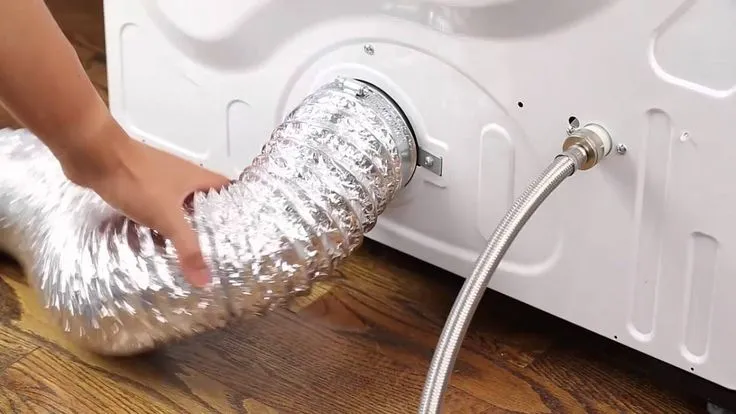
One common issue is limited space behind the appliance. A dryer that sits tightly against the wall can place unnecessary pressure on the vent connection.
When the vent hose becomes sharply bent or compressed, air may have difficulty moving through the system. Even if the dryer itself is working properly, restricted airflow can make each cycle take longer.
Laundry Takes More Than One Cycle
Another frustrating sign is clothing that repeatedly comes out damp. Running the dryer again may seem like the easiest solution, but repeated cycles can indicate that moist air is not leaving the appliance efficiently.
Pay attention when a load that normally dries in one cycle suddenly requires two or three. A change in drying time is worth investigating rather than simply increasing the heat or extending the cycle.
The Laundry Room Feels Hotter
A dryer naturally produces heat, but excessive warmth around the appliance can be a warning sign. Poor airflow may prevent hot, moist air from leaving the dryer as efficiently as it should.
The room may feel noticeably warmer during or immediately after a cycle. If this happens regularly, checking the vent path can help determine whether airflow is being restricted.
Charlotte Conditions Can Make Vent Care More Noticeable
Charlotte's changing weather can affect how homeowners use their dryers throughout the year. Humid summer conditions can make moisture management especially noticeable, while cooler months often bring more frequent indoor laundry.
Residents in areas such as Ballantyne, Dilworth, South End, and University City may have different home layouts, but the basic airflow concerns remain similar.
Homes near busy roads can also experience dust and outdoor debris around exterior vent openings. Keeping the area around the vent clear gives the exhaust system a better chance to release air properly.
Local routines matter, too. A household washing towels, bedding, sports clothes, and children's clothing several times a week places more demand on the dryer than a home with lighter laundry needs.
Simple Steps for Better Airflow Behind Your Dryer
You do not need to be an appliance expert to notice basic airflow problems. A few practical checks can help you keep the area behind the dryer in better condition.
1. Give the Dryer Some Breathing Room
Start by looking at how closely the dryer sits against the wall. There should be enough room for the vent connection to remain properly positioned without being crushed or sharply folded.
If moving the dryer even slightly creates a smoother vent path, that can help reduce unnecessary restriction.
2. Look for Sharp Bends
The vent hose should not resemble a tightly folded accordion. Sharp bends can make it harder for warm, moist air to travel toward the exterior opening.
When checking the area, look for:
- Kinks in the vent hose
- Crushed sections
- Loose connections
- Visible lint buildup
- Damaged or deteriorating vent material
- Unusual gaps around connections
Do not force the appliance into a position that places stress on the vent. A small adjustment is helpful only when it can be made safely.
3. Keep the Area Around the Dryer Clean
Dust, lint, laundry products, and other household debris can accumulate behind and around the appliance. Cleaning the floor and accessible surfaces helps maintain a tidier laundry area and makes potential problems easier to notice.
Avoid storing boxes, baskets, or other items directly against the vent connection. Keeping this space reasonably clear makes routine inspection much easier.
4. Check the Exterior Vent Opening
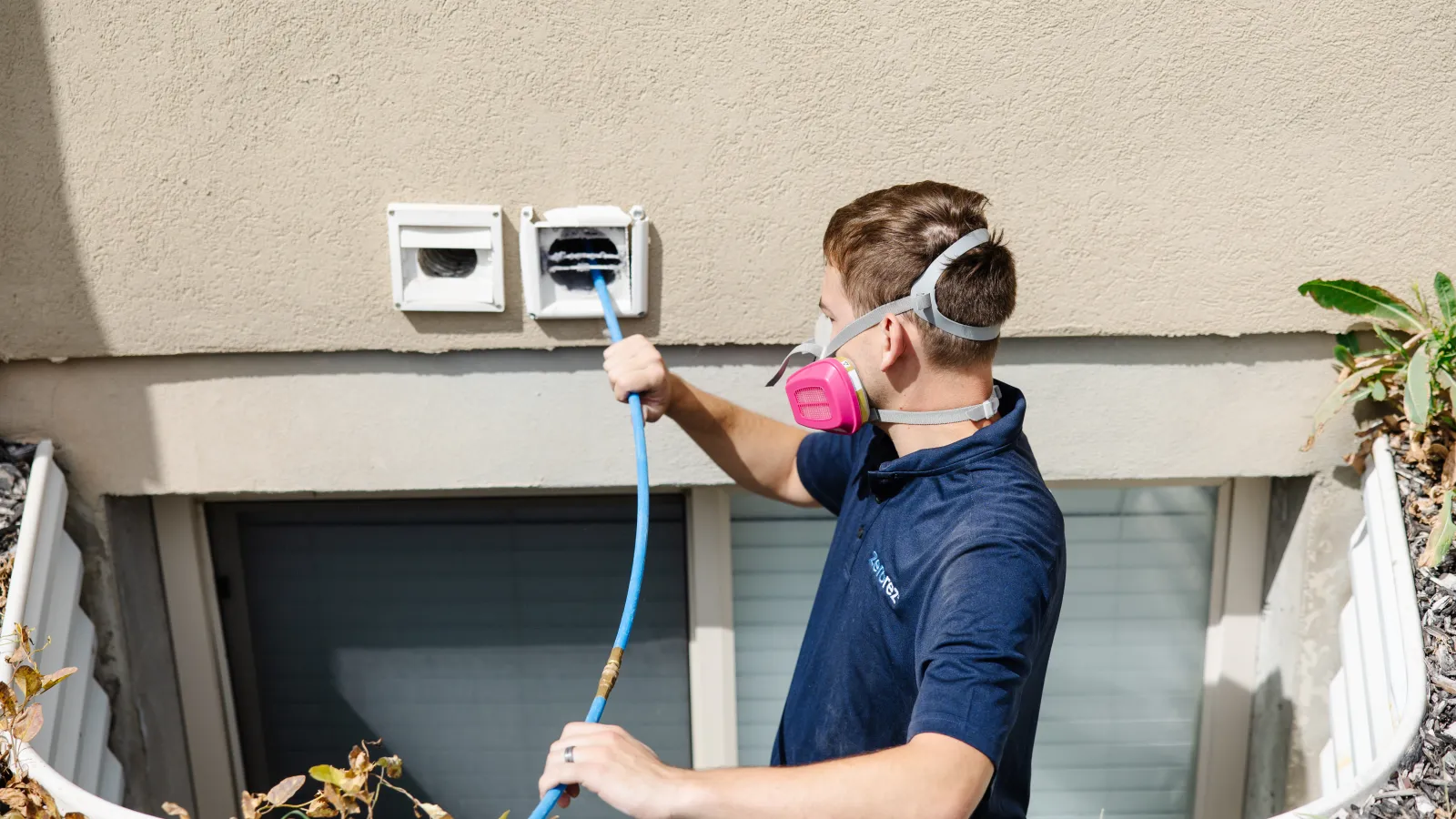
The outside vent opening needs room to release exhausted air. Look for leaves, dirt, lint, or other debris that may be blocking the opening.
If the exterior flap does not appear to move properly when the dryer is operating, the vent system may need closer inspection.
Never place your hands deep inside the vent or attempt a complicated repair without the proper equipment. Some restrictions can exist farther inside the duct than what is visible from either end.
When Professional Attention Makes Sense
Basic maintenance is useful, but some airflow problems are not visible from behind the dryer. Lint and debris can collect farther along the duct, while older vent systems may have disconnected, damaged, or poorly configured sections.
That is where Best Way Dryer Vent Cleaning can provide a more thorough approach. Professional technicians can inspect the accessible parts of the system, identify signs of restricted airflow, and determine what type of service may be appropriate.
A professional evaluation is especially worth considering when:
- Drying times have increased noticeably
- The dryer becomes unusually hot
- Several loads are needed to dry clothes
- Lint accumulates quickly
- The exterior vent has weak airflow
- The dryer has been relocated
- The vent system has not been checked for a long time
The goal is not simply to clean what is easy to reach. A proper inspection looks at the airflow path and the conditions that may be preventing the dryer from exhausting efficiently.
Avoid Creating Problems While Trying to Fix Them
DIY maintenance can be helpful when it involves simple cleaning and visual checks. Problems arise when homeowners start disassembling connections, pushing objects deep into ducts, or modifying vent routes without knowing how the system is configured.
If you notice a damaged hose, unusual connection, or suspected blockage, stop before making the problem worse. Taking a few pictures of the area can also help a technician understand what they may be dealing with before beginning service.
For Charlotte residents searching for Dryer Vent Services Near Me, it is worth looking beyond convenience alone. A reliable provider should be able to explain what was found, what needs attention, and why the recommended work is appropriate.
What Reliable Service Should Look Like
Trust matters when someone is working around an appliance and ventilation system inside your home. A professional company should make the process understandable rather than leaving you guessing about what is being done.
Before scheduling service, consider asking:
- What does the inspection include?
- Will the technician explain the problem before starting?
- Is pricing clear before additional work?
- Does the company have experience with residential dryer vent systems?
- Can they identify airflow restrictions beyond the visible connection?
- Will they explain maintenance steps after the service?
Clear communication is especially helpful when the issue turns out to be more complicated than a simple cleaning.
For homeowners looking for Dryer Vent Services Charlotte NC, responsive service and straightforward explanations can make the experience far less stressful. The right approach focuses on the actual condition of the vent system rather than recommending unnecessary work.
A Better Routine Starts Behind the Dryer
Good dryer maintenance is not only about the appliance itself. The space behind it plays a major role in how smoothly exhausted air can travel toward the outside.
A few habits can make that area easier to manage:
- Keep the dryer reasonably spaced from the wall.
- Check for visible kinks or crushed vent sections.
- Clean accessible dust and lint around the appliance.
- Keep storage items away from the vent connection.
- Watch for changes in drying time.
- Check the exterior vent opening for visible debris.
- Schedule professional attention when airflow problems persist.
These steps are simple, but they can help homeowners notice changes before they become larger maintenance concerns.
Frequently Asked Questions
Q 1. Why does my dryer take longer to dry clothes?
Ans: Restricted airflow, lint buildup, a blocked exterior opening, or a damaged vent can contribute to longer drying times. A professional inspection can help identify the cause.
Q 2. How much space should I leave behind my dryer?
Ans: The required space depends on the dryer and vent configuration. The key is avoiding a crushed or sharply bent vent connection while allowing the appliance to sit safely.
Q 3. Can a bent dryer vent reduce airflow?
Ans: Yes. Sharp bends and compressed sections can restrict the movement of warm, moist air through the vent system.
Q 4. Why is my laundry room getting unusually hot?
Ans: Excessive warmth may occur when heat and moisture are not exhausting efficiently. Checking the vent system can help determine whether restricted airflow is involved.
Q 5. When should I consider professional dryer vent service?
Ans: Consider professional service when drying times increase, airflow at the exterior opening seems weak, lint builds up quickly, or the dryer becomes unusually hot.
Q 6. Can I clean the dryer vent myself?
Ans: Basic accessible cleaning is possible, but deeper blockages or damaged vent sections may require professional equipment and inspection.
Conclusion
Better airflow often starts with something as simple as looking behind the dryer. Keeping the vent connection free from sharp bends, maintaining a clear area, and paying attention to changes in drying performance can help Charlotte homeowners stay ahead of common vent concerns.
When simple checks do not explain the problem, professional Dryer Vent Services can provide a closer look at the entire exhaust path. If your dryer is taking longer, the laundry room feels unusually warm, or airflow seems weak, Best Way Dryer Vent Cleaning can help you understand what may be happening and what steps make sense next.
A little attention now can make laundry feel less frustrating and help you maintain a cleaner, more efficient home routine.




























Sign in to leave a comment.