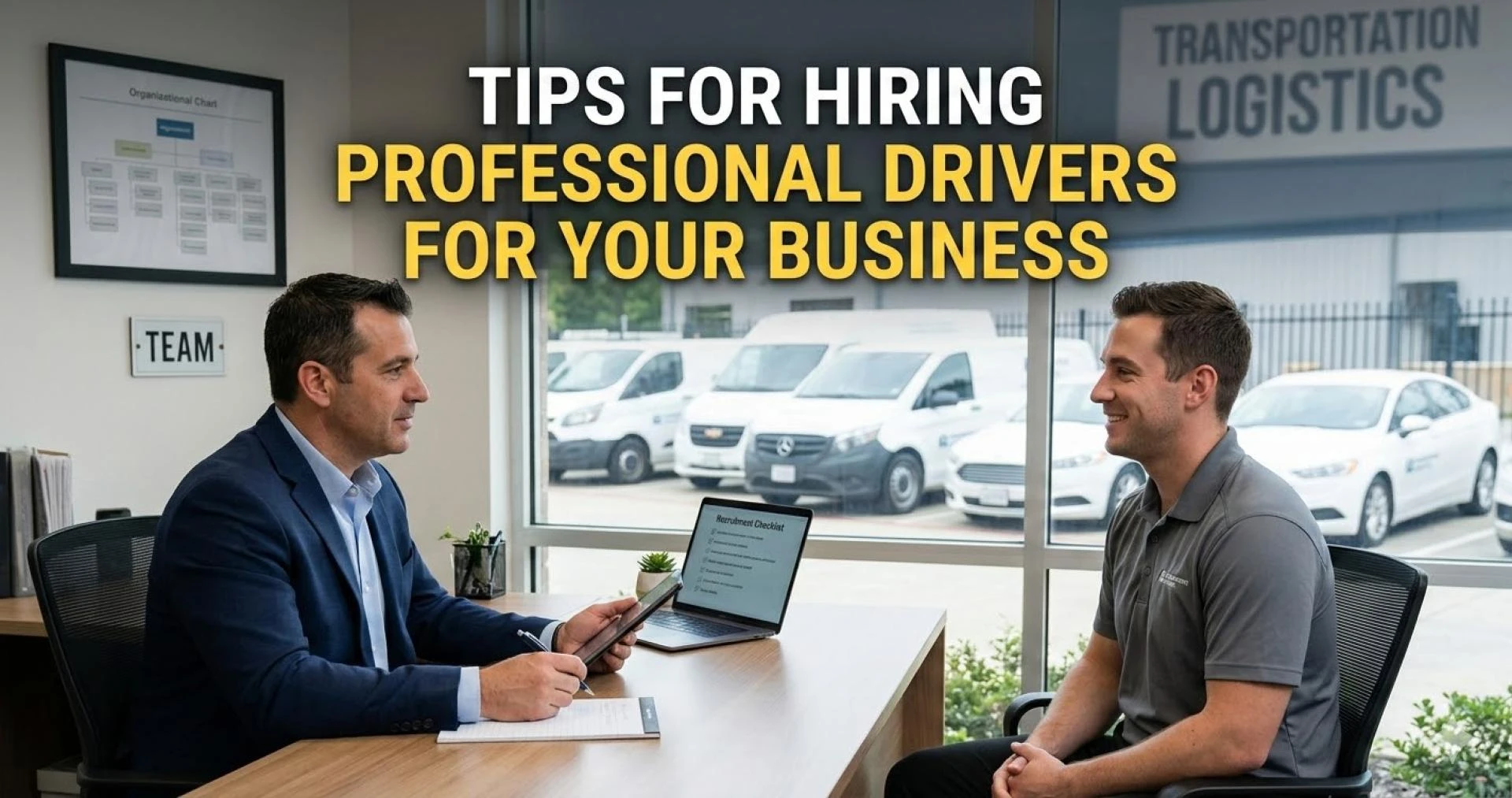

Canadian logistics and supply chain networks are currently facing a significant talent crunch. From the busy ports of British Columbia to the industrial hubs of Ontario and Quebec, the demand for reliable transportation is outpacing the available labor pool. For business owners in the construction, manufacturing, and healthcare sectors, finding a driver isn't just about filling a seat; it’s about mitigating risk, ensuring provincial compliance, and maintaining a seamless flow of goods.
Securing high-quality Driver Services requires a departure from traditional "post and pray" recruitment methods. In a market where a single delivery delay can disrupt a healthcare facility or stall a construction project, your hiring strategy must be forensic. This guide breaks down how to navigate the Canadian labor market to find professionals who protect your bottom line.
Navigating the Canadian Driver Shortage: Why Quality Trumps Quantity
The Canadian trucking and delivery industry is the backbone of the national economy. However, with an aging workforce and increasing e-commerce demands, the gap between required roles and qualified applicants is widening. Business owners often feel pressured to hire the first person with a valid license, but this haste often leads to high turnover and increased insurance premiums.
Understanding Provincial Licensing and Compliance
Hiring in Canada isn't a "one size fits all" process. A driver operating in Alberta faces different regulatory hurdles than one in Nova Scotia.
- Class 1/AZ Licenses: Essential for heavy-duty hauling.
- Air Brake Endorsements: Often required for medium-duty delivery trucks.
- Clean Abstracts: A non-negotiable for WSIB compliance and commercial insurance rates.
The Impact of Driver Shortage on Logistics
When your fleet is understaffed, your existing team faces burnout, leading to safety risks. For logistics and warehouse owners, the goal is to create a "talent pipeline" rather than reacting to vacancies. By partnering with experts who understand local labor laws, you ensure that every hire meets the rigorous safety standards required by Canadian transport authorities.
Strategic Workforce Planning: Internal vs. Outsourced Hiring
One of the most critical decisions for event managers and corporate offices is whether to manage a fleet internally or use a specialized agency. Each model has distinct financial and operational implications.
| Feature | In-House Hiring | Staffing Agency / Outsourcing |
| Upfront Cost | High (Advertising, Screening) | Low (Flat fee or hourly rate) |
| Risk Mitigation | Business bears all liability | Agency shares WSIB/Insurance risks |
| Flexibility | Rigid schedules | High (Scalable for seasonal peaks) |
| Onboarding | 2–4 weeks | 24–48 hours |
Evaluating Long-term ROI
While an in-house driver might seem cheaper on paper, the hidden costs of Canadian payroll taxes, benefits, and CVOR (Commercial Vehicle Operator's Registration) monitoring add up. Outsourcing allows you to focus on your core business—whether that’s manufacturing or healthcare—while professionals handle the heavy lifting of compliance.
Essential Safety Certifications and Compliance Standards
In Canada, safety isn't just a buzzword; it’s a legal mandate. Whether you are hiring for a construction site or a hospitality event, you must verify specific certifications.
WSIB and Provincial Insurance
Every driver on your payroll or contract must be covered by provincial workplace insurance (like WSIB in Ontario). If an accident occurs and the driver isn't properly covered, your business could face catastrophic financial penalties. Always request a Clearance Certificate before any driver gets behind the wheel.
Specialized Equipment Training
If your business involves heavy lifting or warehouse management, your drivers often need more than just a standard license. For instance, many logistics hubs require forklift operator staffing to bridge the gap between the loading dock and the delivery van. Ensuring your drivers are cross-trained or that you have specialized operators on-site reduces the risk of cargo damage.
Transportation of Dangerous Goods (TDG)
For the manufacturing and healthcare sectors, drivers may need TDG certification. This is a federal requirement for anyone handling hazardous materials, including certain medical supplies or industrial chemicals. Verify these credentials during the initial screening process to avoid federal audits.
The Role of Technology in Modern Driver Recruitment
The days of paper logs and physical resumes are fading. Modern Canadian businesses use workforce management systems to track driver performance and reliability.
Telematics and Performance Tracking
Smart businesses use telematics to monitor speed, braking patterns, and fuel efficiency. When hiring, look for drivers who are comfortable with these technologies. A driver who views telematics as a tool for safety rather than "big brother" is usually a more professional and reliable asset.
Digital Background Checks
In Canada, background checks have become streamlined. You can now verify a driver’s criminal record and drive abstract digitally within hours. This speed is vital for hospitality and event managers who might need to scale their team quickly for a major conference or festival.
Seasonal Hiring Cycles in the Canadian Market
Canada’s climate dictates hiring trends. From the winter "ice roads" to the summer construction boom, your hiring strategy must be proactive.
Winter Readiness
Driving in a Canadian winter requires a specific skill set. When interviewing, ask about experience with mountain driving or extreme weather conditions. Professional drivers should be familiar with tire chain laws and winter maintenance protocols.
Peak Season Scaling
For logistics and warehouse owners, the period from October to December is grueling. Planning your seasonal workforce in August ensures you aren't fighting for the remaining (often less qualified) talent pool during the Black Friday rush. This is also a time when many businesses look into staffing cleaning services to maintain their facilities amidst the high traffic of peak season.
Maintaining the Facility: The Link Between Drivers and Logistics
A professional driver is only as effective as the warehouse they depart from. If your loading docks are cluttered or your inventory is mismanaged, even the best driver will lose time.
Integrated Staffing Solutions
Efficient businesses realize that driver performance is linked to warehouse organization. Many corporate offices and logistics hubs find that identifying trustworthy packers and movers is just as important as the drivers themselves. When the packing team and the driving team are in sync, breakage rates drop and customer satisfaction scores rise.
Clear Communication Channels
Establish a direct line of communication between your drivers and your dispatch or warehouse managers. Using mobile apps for real-time updates prevents the "where is my shipment" phone calls that plague the healthcare and manufacturing sectors.
Frequently Asked Questions About Hiring Drivers in Canada
How do I verify a driver’s abstract in Ontario or Alberta?
You can request a 3-year or 5-year driver’s abstract through the respective provincial transportation ministry (MTO in Ontario, Alberta Road Reports, etc.). This document shows any moving violations, accidents, or license suspensions.
What is the difference between a contractor and a permanent driver?
A permanent driver is an employee on your payroll, entitled to benefits and vacation pay. A contractor (often an Owner-Operator) provides their own vehicle and manages their own taxes. For many Canadian businesses, the "Contract-to-Hire" model is a popular way to test a driver’s reliability before offering a permanent role.
Does a driver need a special license for a 5-ton truck?
In most Canadian provinces, if the truck has air brakes, the driver needs an "A" or "Z" endorsement. Even if the vehicle’s weight doesn't strictly require a commercial license, having a driver with professional training is always the safer choice for business insurance purposes.
How can I reduce driver turnover in my company?
Competitive pay is a start, but "driver culture" matters more. Respecting their "Hours of Service," providing well-maintained equipment, and offering predictable schedules are the top factors in driver retention within the Canadian logistics market.
What are the WSIB requirements for temporary drivers?
If you hire through an agency, the agency is typically the employer of record and handles WSIB. However, you must ensure the agency is in good standing by requesting a clearance certificate every 90 days.
Building a Resilient Workforce for the Future
The Canadian economy thrives on movement. Whether you are transporting life-saving equipment for the healthcare sector or delivering materials to a construction site in British Columbia, the quality of your driver defines the quality of your service.
Professionalism in the driving industry goes beyond holding a steering wheel. It involves punctuality, a deep understanding of Canadian safety regulations, and the ability to represent your brand on the road. By implementing a rigorous screening process and looking toward integrated staffing solutions, you protect your business from the volatility of the labor market.
If you are looking to streamline your operations and secure the best talent in the industry, ThetaSmart provides tailored staffing solutions across Canada. From logistics expertise to specialized facility support, we help you build a team that keeps your business moving forward.


























Sign in to leave a comment.