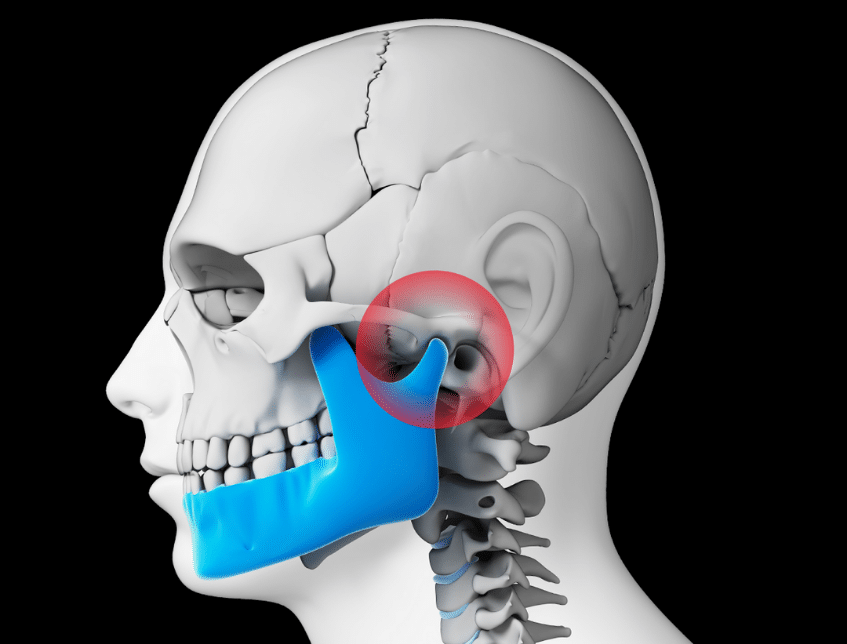

Understanding TMJ Disorders
Temporomandibular joint (TMJ) disorders affect the jaw joint, leading to discomfort, pain, and difficulty in chewing or speaking. People experiencing TMJ issues often notice symptoms such as jaw stiffness, headaches, ear pain, or clicking sounds while opening or closing the mouth. While these issues can affect anyone, early diagnosis can help prevent long-term complications and improve quality of life.
The Connection Between TMJ and Orthodontics Treatment
TMJ and orthodontics treatment are often interrelated. Misaligned teeth, bite issues, or jaw irregularities can contribute to TMJ discomfort. Orthodontic interventions, such as braces or clear aligners, can help correct bite problems, alleviate pressure on the jaw joints, and improve overall oral function. In some cases, combining TMJ therapy with orthodontics treatment provides a holistic approach to managing both jaw pain and dental alignment issues.
Signs You Might Need TMJ or Orthodontic Care
It’s important to recognize the symptoms that may indicate TMJ disorders or orthodontic concerns. Common signs include:
- Frequent jaw pain or soreness
- Difficulty opening or closing the mouth fully
- Chronic headaches or migraines
- Uneven teeth wear
- Clicking, popping, or locking of the jaw
If you notice these symptoms, consulting a dental professional is the first step toward finding relief and addressing underlying dental alignment issues.
Treatment Options for TMJ Disorders
TMJ treatment can vary depending on the severity of the condition. Mild cases may benefit from simple interventions like jaw exercises, heat or cold therapy, and stress management techniques. More advanced cases may require orthodontic treatment, occlusal splints, or even minor dental procedures to restore proper jaw alignment. Your dentist will evaluate your condition carefully and design a treatment plan tailored to your needs.
How Orthodontics Supports TMJ Health
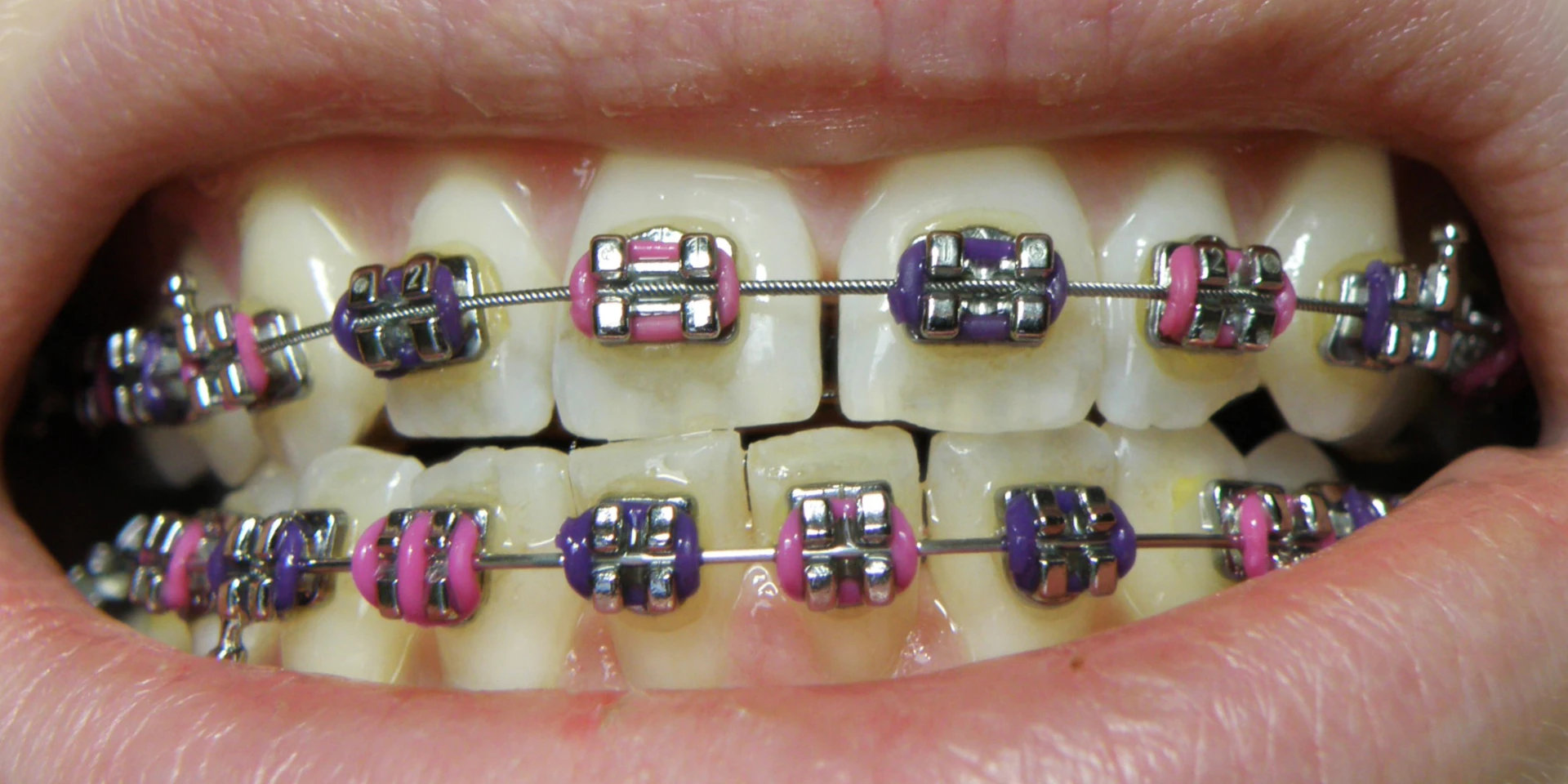
Orthodontics treatment is not just about straightening teeth—it also plays a crucial role in maintaining jaw health. Proper alignment reduces stress on the temporomandibular joints and ensures that your bite functions efficiently. Treatments may include traditional braces, clear aligners, or other orthodontic appliances that gradually reposition teeth and correct bite issues. This approach can significantly reduce TMJ-related discomfort and prevent future complications.
Why Choosing the Right Dental Team Matters
Managing TMJ and orthodontic issues requires a comprehensive approach. A skilled dental team can evaluate your oral structure, identify underlying causes, and provide effective treatment options. For patients in the Ventura County area, Beach Cities Dental Group is a suggested option for receiving personalized care that addresses both TMJ disorders and orthodontic needs. Their experience in combining these treatments ensures patients achieve lasting results and improved oral health.
Maintaining TMJ Health After Treatment
After completing TMJ or orthodontic treatment, maintaining proper oral care and monitoring jaw health is essential. Regular dental checkups, consistent oral hygiene, and following your dentist’s recommendations can help prevent relapse and ensure long-term success. Additionally, being mindful of habits like teeth grinding, excessive chewing, or poor posture can support joint health and overall comfort.
Conclusion
TMJ and orthodontics treatment go hand-in-hand for patients seeking relief from jaw pain while improving dental alignment. Recognizing early signs, seeking timely intervention, and working with experienced professionals can make a significant difference in oral health and quality of life.
Contact Us
If you are experiencing jaw discomfort, bite issues, or are considering orthodontic treatment, contact us today to schedule an evaluation and discuss your treatment options with experienced dental professionals.






























Sign in to leave a comment.