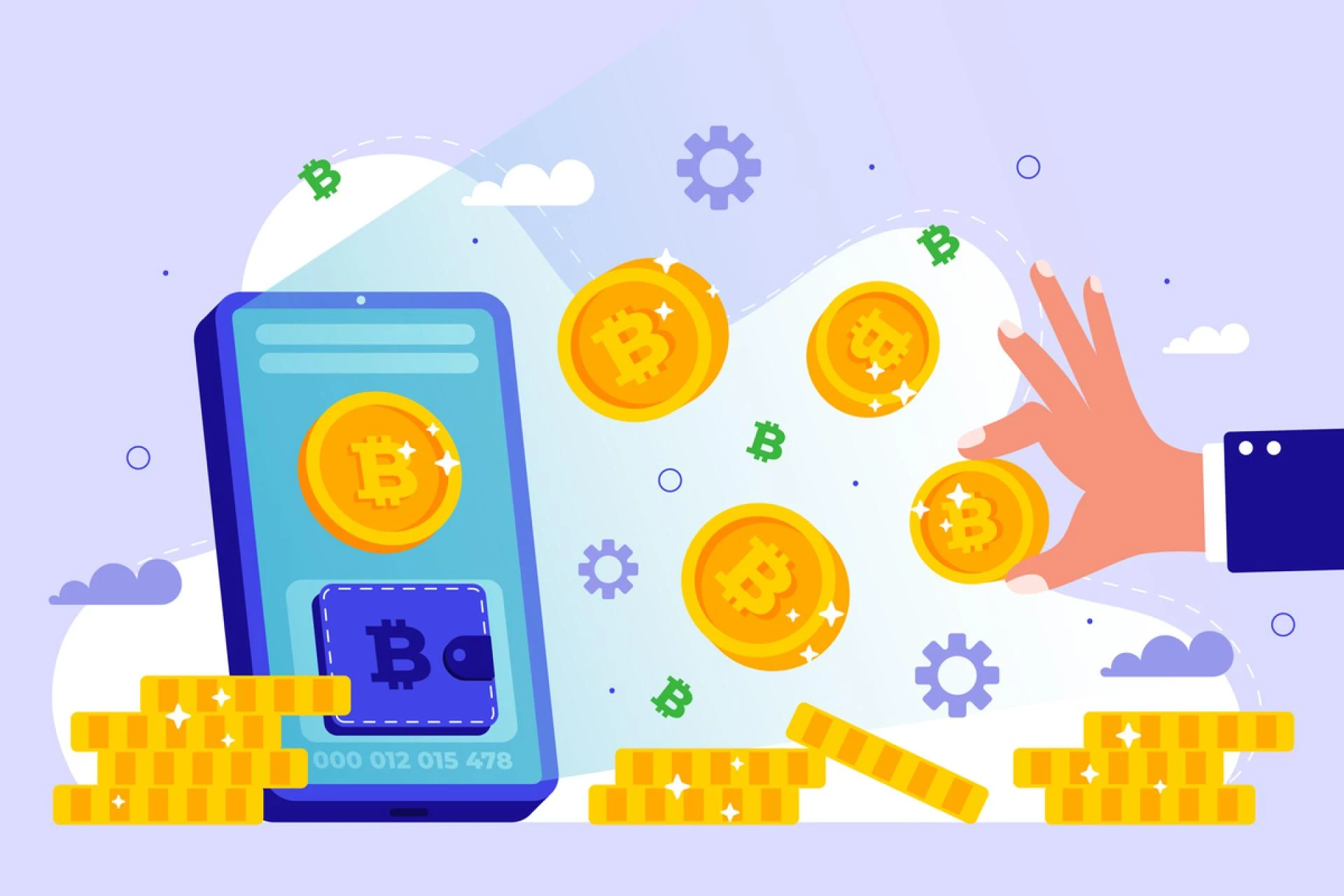

In recent years, blockchain technology has transformed many industries, including finance, supply chain, and real estate. One of the most impactful innovations emerging from this technology is Tokenization as a Service (TaaS). Businesses and asset owners are increasingly exploring this model to digitize assets and unlock new investment opportunities.
What Is Tokenization as a Service?
Tokenization as a Service (TaaS) is a blockchain-based solution that allows businesses to convert real-world assets into digital tokens. These tokens are created and managed on a blockchain network, representing ownership or rights to an underlying asset.
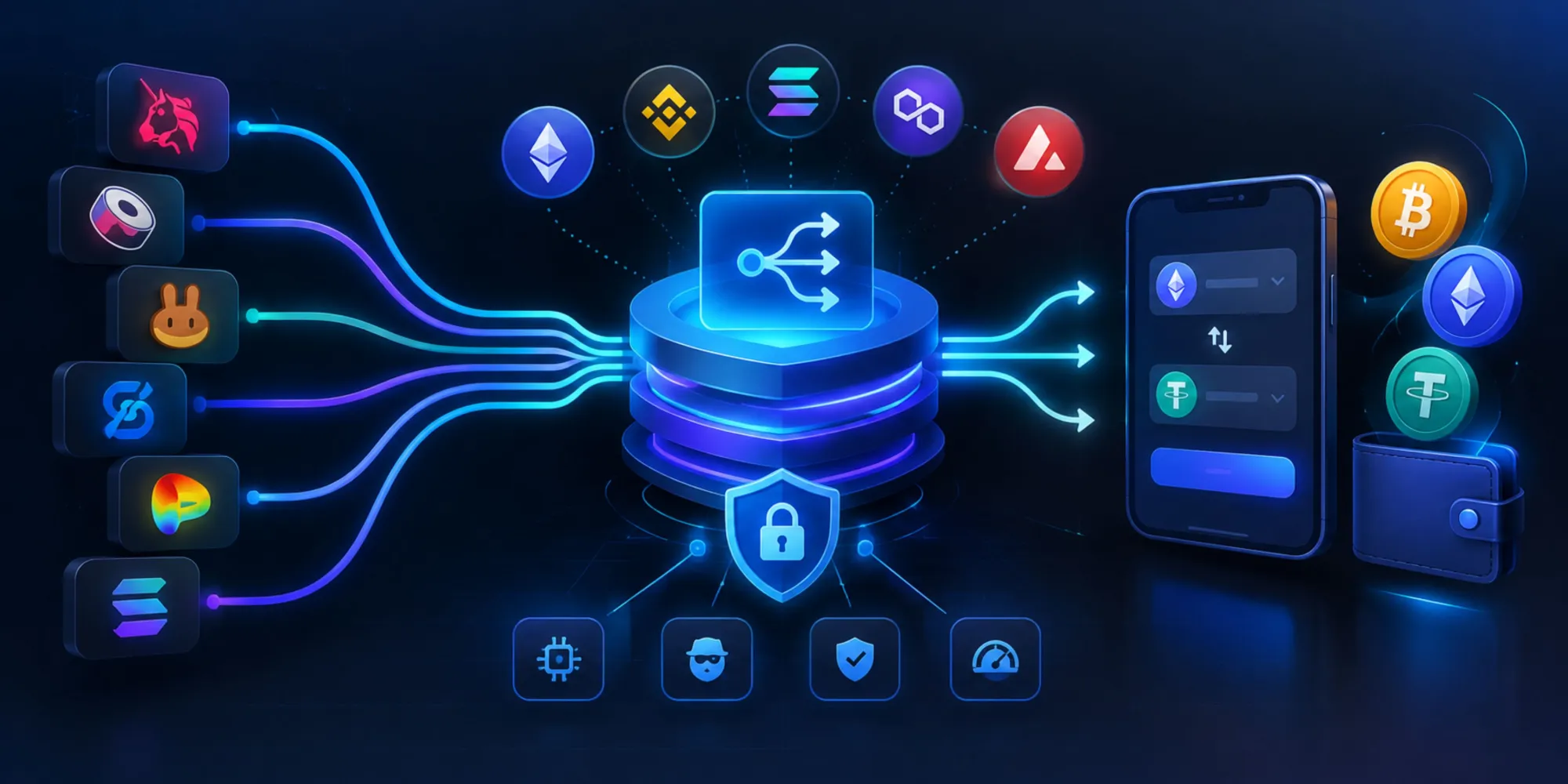
Instead of building complex blockchain infrastructure from scratch, companies can use a white label tokenization platform that provides ready-to-use tools for asset tokenization. This service simplifies the process of issuing, managing, and trading digital tokens.
Assets that can be tokenized include:
- Real estate properties
- Company shares
- Commodities
- Artwork and collectibles
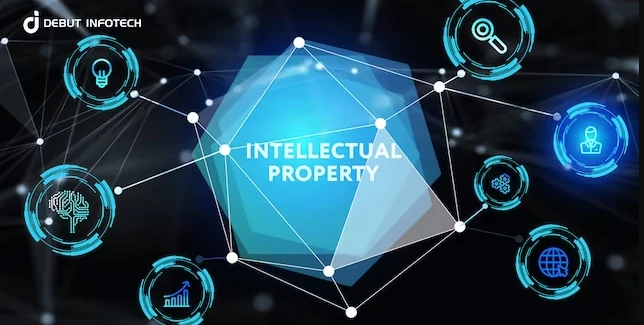
- Intellectual property
By converting these assets into digital tokens, ownership can be divided into smaller fractions and transferred easily between investors.
How Tokenization as a Service Works
Tokenization as a Service typically follows a structured process:
1. Asset Identification
The first step is identifying a real-world asset suitable for tokenization. For example, many companies are now tokenizing real estate properties to allow fractional ownership.
2. Legal Structuring
The asset is legally structured to ensure that digital tokens represent real ownership rights. Compliance with local regulations is essential at this stage.
3. Token Creation
Once the legal structure is defined, digital tokens are created on a blockchain. These tokens represent fractional ownership or rights to the asset.
4. Smart Contract Deployment
The tokenization platform deploys smart contracts in real estate or other industries. Smart contracts automate processes such as ownership transfer, dividend distribution, and compliance.
5. Token Distribution
Tokens are issued to investors through private offerings, digital platforms, or marketplaces.
6. Ongoing Management
The platform manages token holders, transactions, compliance, and reporting.
Key Features of Tokenization as a Service
A reliable Tokenization as a Service platform usually provides several important features:
1. White-Label Solutions
Companies can launch their own branded white label tokenization platform without building blockchain infrastructure.
2. Compliance Tools
Built-in compliance features help meet regulatory requirements like KYC (Know Your Customer) and AML (Anti-Money Laundering).
3. Smart Contract Automation
Smart contracts automate transactions, reducing manual work and operational risks.
4. Asset Management Dashboard
Businesses can track token ownership, transactions, and investor activity in real time.
5. Investor Accessibility
Fractional tokens make high-value assets accessible to smaller investors.
Benefits of Tokenization as a Service
1. Increased Liquidity
Traditional assets like real estate are often illiquid. Through Tokenization as a Service, these assets can be divided into smaller units and traded more easily.
2. Fractional Ownership
Tokenization allows multiple investors to own fractions of expensive assets such as commercial properties.
3. Lower Costs
Using a white label tokenization platform eliminates the need for expensive blockchain development and infrastructure.
4. Faster Transactions
Blockchain-based transactions settle faster compared to traditional financial systems.
5. Transparency and Security
Blockchain technology provides transparent and tamper-resistant transaction records.
Tokenization in the Real Estate Industry
Real estate is one of the sectors experiencing the fastest growth in tokenization. A real estate tokenization company can transform physical properties into digital investment opportunities.
For example, instead of buying an entire building, investors can purchase digital tokens representing a share of the property. This approach:
- Expands the investor pool
- Enables global investment
- Improves liquidity in real estate markets
The use of smart contracts in real estate also automates rental income distribution and ownership transfers.
Why Businesses Are Choosing Tokenization as a Service
Building a tokenization platform internally requires deep expertise in blockchain, security, and compliance. Tokenization as a Service simplifies this process by offering ready-made infrastructure.
Businesses benefit from:
- Faster time to market
- Reduced development costs
- Scalable blockchain infrastructure
- Regulatory compliance support
This allows companies to focus on asset management and investment opportunities rather than technical implementation.
The Future of Tokenization as a Service
As blockchain adoption grows, Tokenization as a Service is expected to play a major role in the digital asset economy. Industries such as real estate, finance, and private equity are increasingly exploring tokenization to improve efficiency and accessibility.
With the rise of platforms offering white label tokenization solutions, launching a tokenized asset marketplace is becoming easier than ever. Companies that adopt this technology early may gain a competitive advantage in the evolving digital investment landscape.
Conclusion
Tokenization as a Service is revolutionizing the way assets are owned, traded, and managed. By converting real-world assets into blockchain-based tokens, businesses can unlock liquidity, enable fractional ownership, and attract global investors.
From tokenizing real estate to automating transactions using smart contracts in real estate, this technology is opening new opportunities for asset owners and investors alike. As the market continues to mature, working with a reliable real estate tokenization company or using a white label tokenization platform will become an essential strategy for organizations entering the digital asset space.





















Sign in to leave a comment.