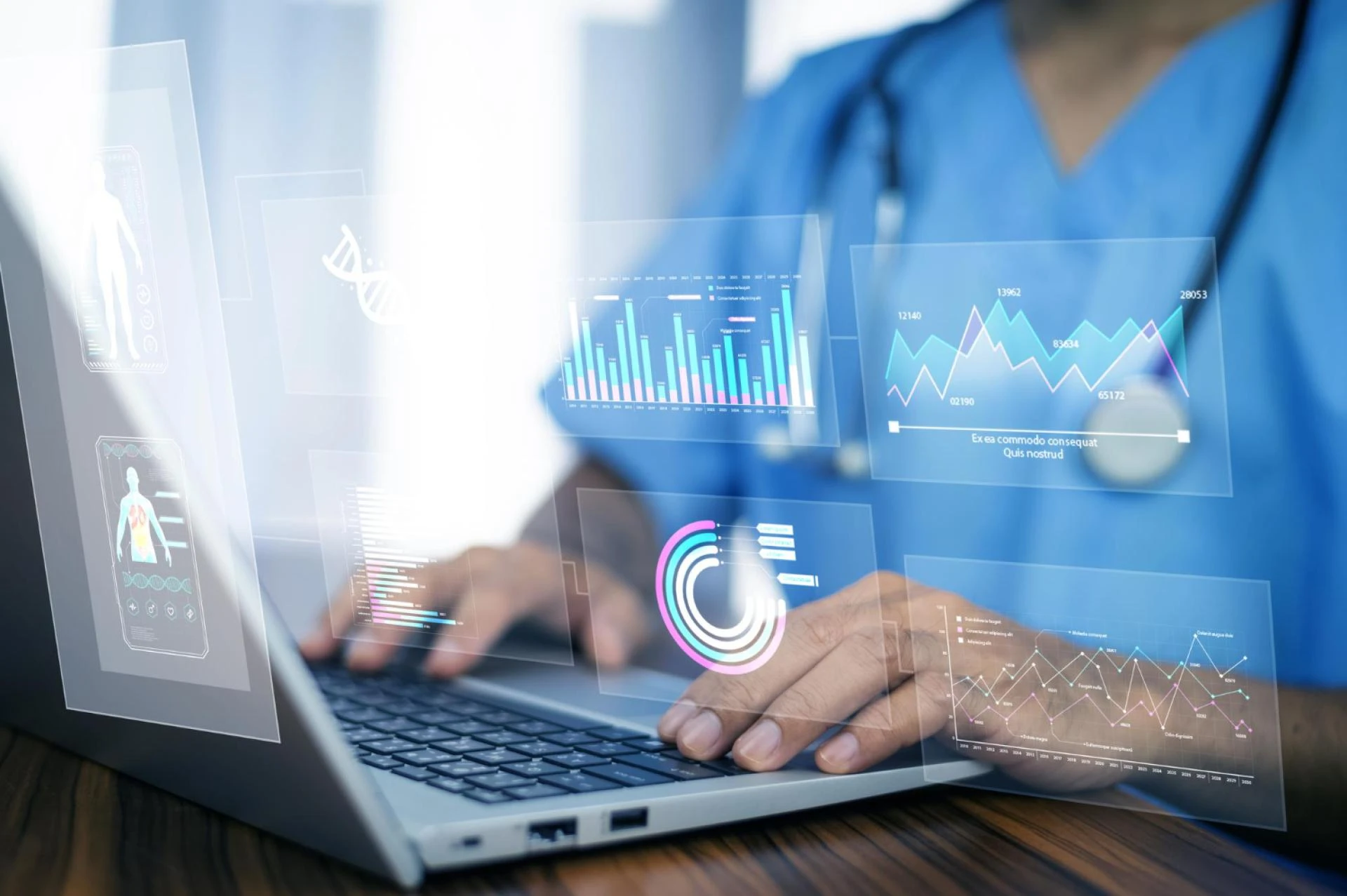

Healthcare is changing fast. Hospitals, clinics, and health companies now handle huge amounts of data every day. This data comes from patient records, lab reports, billing systems, wearables, and more. When used the right way, this data can save lives, cut costs, and improve patient care.
This is where healthcare analytics plays a big role. It helps healthcare teams understand what is happening today and what may happen tomorrow. Instead of guessing, decisions are based on facts.
In this blog, we will explore the top 10 healthcare analytics use cases with real world examples. Each use case is explained in simple language so anyone can understand it. If you are a hospital leader, doctor, analyst, or healthcare startup, this guide will help you see how analytics creates real value.
What Is Healthcare Analytics
Healthcare analytics is the process of collecting and studying healthcare data to find patterns and insights. These insights help improve patient care, manage costs, and run operations better.
Data can come from many sources such as electronic health records, insurance claims, patient surveys, and medical devices. Analytics tools then turn this raw data into useful information.
Why Healthcare Analytics Matters Today
Healthcare systems face many challenges. Rising costs, staff shortages, chronic diseases, and patient safety issues are just a few.
Healthcare analytics helps by
Improving patient outcomes
Reducing waste and errors
Supporting faster decisions
Planning resources better
The healthcare analytics use cases discussed below show how data is already making a real difference.
Top 10 Healthcare Analytics Use Cases
1. Predicting Patient Readmissions
Patient readmissions cost hospitals a lot of money. Many readmissions can be prevented with early action.
Healthcare analytics looks at patient history, treatment details, and lifestyle factors. It predicts which patients are at risk of coming back after discharge.
Real World Example
A hospital uses analytics to flag heart failure patients with high readmission risk. Care teams follow up with phone calls and home care visits. Readmissions drop within months.
2. Improving Clinical Decision Making
Doctors make many decisions every day. Analytics supports them with data based insights.
By analyzing past cases and treatment results, systems suggest the best care options.
Real World Example
A cancer center uses analytics to compare treatment plans and outcomes. Doctors choose therapies with higher success rates for similar patients.
3. Early Disease Detection
Finding diseases early saves lives and money. Analytics helps spot warning signs before symptoms become serious.
It analyzes lab results, imaging data, and patient history.
Real World Example
A health system uses analytics to detect early signs of diabetes. Patients receive lifestyle guidance before the disease progresses.
4. Population Health Management
Population health focuses on improving health outcomes for groups of people.
Analytics helps identify high risk groups and track health trends across communities.
Real World Example
A public health agency uses analytics to track asthma cases by location. It launches targeted air quality programs in high risk areas.
5. Reducing Healthcare Costs
Healthcare costs continue to rise. Analytics helps find where money is being wasted.
It studies billing data, treatment costs, and resource usage.
Real World Example
A hospital finds duplicate tests through analytics. By reducing repeat tests, it saves millions each year.
6. Fraud Detection and Prevention
Fraud increases healthcare costs and hurts trust. Analytics can detect unusual billing patterns.
It flags claims that do not match normal behavior.
Real World Example
An insurance provider uses analytics to identify false claims. Fraud cases drop and processing becomes faster.
7. Enhancing Patient Experience
Patient satisfaction is very important today. Analytics helps understand patient needs and pain points.
It uses survey data, feedback, and service metrics.
Real World Example
A hospital analyzes patient feedback data. It finds long wait times as a major issue and changes scheduling. Patient ratings improve.
8. Workforce Planning and Staff Optimization
Hospitals need the right staff at the right time. Analytics helps plan shifts and workloads.
It studies patient flow and staff performance.
Real World Example
A hospital uses analytics to predict busy hours in emergency care. Staff schedules are adjusted to reduce burnout and improve care.
9. Supply Chain and Inventory Management
Medical supplies must always be available. Too much stock leads to waste. Too little causes delays.
Analytics helps balance inventory levels.
Real World Example
A clinic uses analytics to track medicine usage. It reduces expired stock and lowers supply costs.
10. Personalized Treatment Plans
Every patient is different. Analytics helps tailor care based on personal data.
It considers genetics, history, and lifestyle.
Real World Example
A wellness center uses analytics to create personalized fitness and nutrition plans. Patients see better long term results.
Bonus Read: How Lumenn AI Turns Patient Information into Healthcare Solutions
Tools Used in Healthcare Analytics
Healthcare analytics depends on the right tools. These tools help collect, process, and visualize data.
Data Management Tools
Electronic health record systems
Data warehouses
Cloud storage platforms
Analytics and Reporting Tools
Business intelligence tools
Data visualization software
Predictive analytics platforms
Advanced Analytics Tools
Machine learning platforms
AI based diagnostic tools
Popular tools used in healthcare include Tableau, Power BI, Lumenn AI, SAS, Python based platforms, and cloud tools like AWS and Azure.
How to Get Started with Healthcare Analytics
Start with a clear goal. Know what problem you want to solve.
Clean and organize your data. Quality data gives better results.
Choose tools that fit your team skills and budget.
Train staff to understand and use insights.
Start small and scale as you see results.
Challenges in Healthcare Analytics
Healthcare data is complex and sensitive. Privacy and security must be a top priority.
Data quality issues can affect results.
Change management is also important. Teams need time to trust data driven decisions.
With the right approach, these challenges can be managed.
Future of Healthcare Analytics
The future of healthcare analytics is promising. Real time data, AI, and connected devices will make insights faster and smarter.
Predictive and preventive care will become more common.
Patients will receive more personalized and proactive care.
Conclusion
Healthcare analytics is no longer optional. It is a powerful tool that improves care, reduces costs, and saves lives.
The healthcare analytics use cases shared in this blog show how data creates real impact every day. From predicting readmissions to improving patient experience, analytics supports better healthcare decisions.
Organizations that invest in analytics today will be better prepared for tomorrow. With the right tools, data, and mindset, healthcare can become more efficient, safe, and patient focused.





























Sign in to leave a comment.