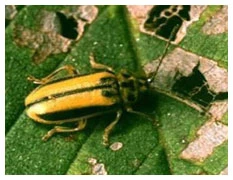

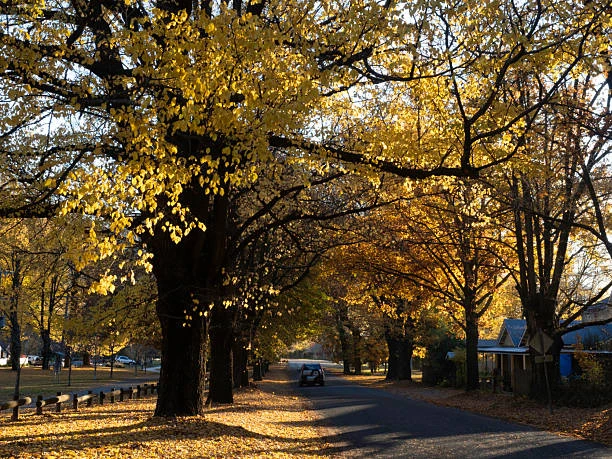
Elm trees, particularly golden elms and English elms, are admired for their beauty, shade, and contribution to urban landscapes. However, these trees often fall victim to a destructive pest: the elm leaf beetle. These tiny insects can defoliate an elm tree in a single season if left unchecked, weakening the tree and making it more vulnerable to disease and environmental stress.
Top five effective elm beetle treatments:
Below are the top five effective elm beetle treatments that you can use to protect your trees and maintain the health of your landscape.
1. Systemic Insecticide Injection
What It Is:
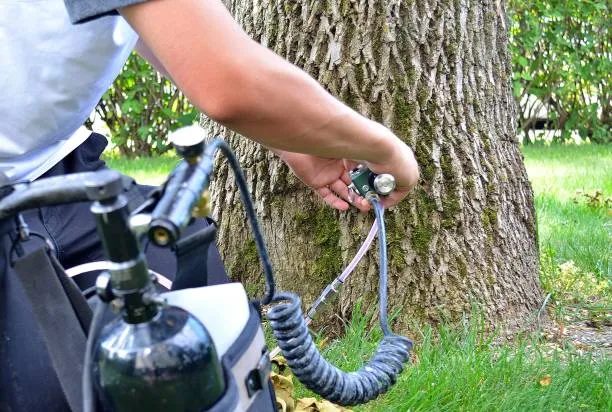
Systemic insecticides are chemicals that are injected directly into the trunk or applied to the soil around the base of the tree. The active ingredients are absorbed into the tree’s vascular system, making the leaves toxic to feeding beetles and larvae.
Why It Works:
- Targets both adult beetles and larvae.
- Protects the tree from the inside out for an entire growing season.
- Minimally invasive to the surrounding environment.
Common Products:
- Imidacloprid
- Emamectin benzoate
Application Timing:
Late winter to early spring is the best time for injections, before beetles become active. Some treatments can also be applied in fall to offer protection through the next season.
Pros:
- Long-lasting (up to 12 months).
- No need for repeat spraying.
- Safe for beneficial insects if applied correctly.
Cons:
- Requires a licensed arborist or pest control professional.
- Higher upfront cost than sprays.
Best For:
Homeowners looking for a low-maintenance, long-term solution.
2. Foliar Sprays (Contact Insecticides)
What It Is:
Foliar sprays are insecticides that are applied directly to the leaves of the tree. These sprays kill elm beetles on contact and may also have some residual effect.
Why It Works:
- Immediate knockdown of adult beetles and larvae.
- Can provide quick results in active infestations.
Common Ingredients:
- Pyrethroids (e.g., deltamethrin, bifenthrin)
- Spinosad (for more eco-friendly applications)
Application Timing:
Late spring and early summer when larvae are active and feeding. May need multiple applications throughout the season.
Pros:
- Fast-acting.
- Easily applied with garden sprayers or hose-end applicators.
Cons:
- Needs to be repeated, especially after rain.
- Risk of harming beneficial insects like bees and ladybugs.
- Not ideal for very tall trees without professional equipment.
Best For:
Smaller elm trees or targeted treatment in accessible areas.
3. Soil Drench Treatments
What It Is:
Soil drenches involve mixing systemic insecticides with water and pouring the solution around the tree’s root zone. The tree absorbs the insecticide through the roots, distributing it throughout the canopy.
Why It Works:
- Easy to apply at home with minimal equipment.
- Provides systemic protection similar to trunk injections.
Common Products:
- Imidacloprid-based soil drenches (sold under various garden brands)
Application Timing:
Early spring, before beetles emerge. One application may last for the season.
Pros:
- DIY-friendly.
- Effective for several months.
- Less visually invasive than trunk injections.
Cons:
- Slower to take effect than foliar sprays.
- May pose risks to groundwater or nearby plants if misapplied.
Best For:
Homeowners who prefer to apply treatments themselves without specialized tools.
4. Biological Control with Beneficial Insects
What It Is:
Biological control involves introducing natural predators of the elm leaf beetle into the environment. Ladybugs, lacewings, and certain parasitic wasps are natural enemies of elm beetle larvae.
Why It Works:
- Supports natural pest control.
- Sustainable, eco-friendly option.
- Reduces reliance on chemical treatments over time.
How to Use:
- Attract or release beneficial insects in your garden.
- Avoid broad-spectrum insecticides that kill both pests and beneficials.
Pros:
- Non-toxic and safe for people, pets, and pollinators.
- Contributes to a balanced ecosystem.
Cons:
- May take time to establish effectiveness.
- Unpredictable results in severe infestations.
- Not a stand-alone solution.
Best For:
Environmentally conscious homeowners aiming to reduce chemical use over time.
5. Regular Tree Maintenance and Monitoring
What It Is:
Routine care and observation of your elm trees can help detect early signs of infestation before it becomes a serious problem.
Key Steps:
- Prune infested branches to reduce beetle populations.
- Clean up fallen leaves, where beetles often overwinter.
- Mulch and water regularly to strengthen tree health.
Why It Works:
- A healthy tree is more resilient to pests.
- Early intervention prevents large-scale damage.
Pros:
- Cost-effective.
- Supports tree vitality and overall landscape health.
- Can reduce the need for chemical interventions.
Cons:
- Requires consistent attention and effort.
- May not be sufficient on its own in high beetle population areas.
Best For:
All homeowners—this is a foundational part of any elm beetle management strategy.
Combining Treatments for Maximum Effectiveness
Often, the most effective elm beetle control strategy involves a combination of methods. For example:
- Use systemic injections or soil drenches for season-long protection.
- Apply foliar sprays during peak infestation periods.
- Enhance your yard with beneficial insects to naturally suppress beetles.
- Practice ongoing maintenance and monitoring.
Integrated Pest Management (IPM) strategies help reduce reliance on chemicals, minimise harm to the environment, and ensure long-term success in protecting your elm trees.
When to Call a Professional
If your elm tree is large, severely infested, or you’re unsure of the correct treatment, it’s wise to consult a qualified arborist or licensed pest control technician. They can assess your tree's condition, recommend a customised treatment plan, and ensure the safe application of insecticides.
Final Thoughts
Elm beetles can cause serious damage if ignored, but homeowners have several effective tools at their disposal. Whether you choose a professional systemic treatment, apply soil drenches yourself, or embrace eco-friendly biological control, the key is early detection and proactive care.
By investing a little time and effort now, you can preserve the health and beauty of your elm trees for years to come.



























Sign in to leave a comment.