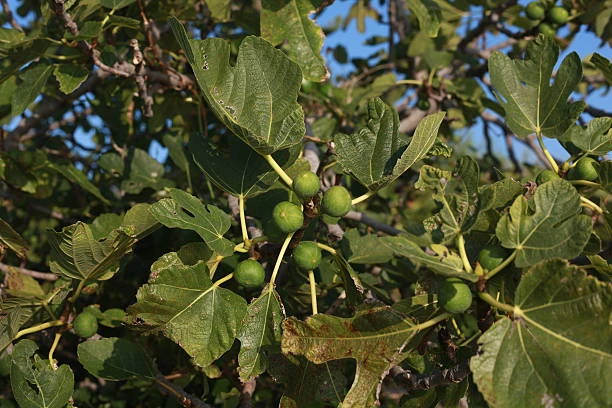

Fig trees (Ficus carica) are beloved by gardeners for their lush foliage and delicious fruit. Whether grown in the ground or in pots, figs can thrive in many climates, particularly warm temperate and Mediterranean regions. However, fig trees are not immune to pest attacks.
Various insects and mites are drawn to their sweet fruits and leaves, and if not managed, these pests can significantly increase the fig tree diseases.
1. Fig Tree Borers (Longhorn Beetles)
What They Are:
Longhorn beetles, particularly the fig tree borer (Phoracantha spp.), are wood-boring insects that lay eggs in tree bark. The larvae tunnel through the trunk and branches, causing structural damage and dieback.
Symptoms:
- Sawdust-like frass at the base or trunk
- Wilting or dying branches
- Entry and exit holes in the wood
How to Stop Them:
- Prune and destroy affected limbs
- Apply a systemic insecticide if infestation is severe
- Use sticky bands or traps to catch adult beetles
- Maintain overall tree health to reduce susceptibility
2. Scale Insects
What They Are:
Scale insects are small, sap-sucking bugs that attach themselves to leaves and stems. Common types include soft scale and armored scale.
Symptoms:
- Yellowing leaves
- Sticky honeydew and black sooty mold
- Clusters of small, round or oval bumps on branches
How to Stop Them:
- Spray with horticultural oil during the dormant season
- Introduce beneficial insects like ladybugs and parasitic wasps
- Use insecticidal soap for mild infestations
3. Aphids
What They Are:
Aphids are tiny, soft-bodied insects that suck plant sap and excrete sticky honeydew.
Symptoms:
- Leaf curling and distortion
- Presence of ants farming aphids
- Sticky residue and sooty mold on leaves
How to Stop Them:
- Wash them off with a strong spray of water
- Apply neem oil or insecticidal soap
- Introduce natural predators like lacewings and ladybugs
4. Spider Mites
What They Are:
Spider mites are minuscule arachnids that thrive in hot, dry conditions and feed on plant juices.
Symptoms:
- Stippling or speckled leaves
- Fine webbing on the underside of leaves
- Yellow or bronze leaf discoloration
How to Stop Them:
- Increase humidity around the plant
- Spray leaves with water regularly
- Use miticides or horticultural oils for severe infestations
5. Fig Wasps (Invasive Species)
What They Are:
While native fig wasps are essential for pollination, invasive species can cause damage to developing fruit.
Symptoms:
- Misshapen or prematurely dropping figs
- Boring holes in fruit
How to Stop Them:
- Remove and destroy infested fruit
- Encourage native species and avoid introducing non-native fig varieties without compatible wasps
- Use fine mesh netting to keep pests away from fruit
6. Leafhoppers
What They Are:
Leafhoppers are small, wedge-shaped insects that feed on plant sap and can transmit plant viruses.
Symptoms:
- White or yellow spots on leaves
- Leaf curling or distortion
- Quick, hopping movement when disturbed
How to Stop Them:
- Use yellow sticky traps
- Spray with insecticidal soap or neem oil
- Keep the area weed-free to remove breeding grounds
7. Whiteflies
What They Are:
Whiteflies are small, flying insects that cluster on the underside of leaves and feed on sap.
Symptoms:
- Leaf yellowing and drop
- Sticky honeydew and sooty mold
- Cloud of tiny white insects when leaves are disturbed
How to Stop Them:
- Use yellow sticky traps
- Spray with neem oil, horticultural oil, or insecticidal soap
- Encourage natural predators such as encarsia wasps
8. Fruit Beetles (Including Rutherglen Beetles)
What They Are:
These beetles attack ripening fruit, especially if figs are split or damaged. The Rutherglen beetle is a known offender in many parts of Australia.
Symptoms:
- Holes in fruit
- Fruit rot or early fruit drop
- Beetles visible during the day
How to Stop Them:
- Harvest fruit promptly before it overripens
- Collect and destroy fallen or damaged fruit
- Cover fruit clusters with mesh bags or netting
9. Mealybugs
What They Are:
Mealybugs are soft-bodied insects covered with a white, waxy coating. They often hide in crevices or at leaf joints.
Symptoms:
- White cotton-like masses on stems and leaves
- Leaf drop and yellowing
- Presence of ants feeding on honeydew
How to Stop Them:
- Remove with a cotton swab dipped in alcohol
- Use insecticidal soap or neem oil
- Eliminate nearby ant colonies that protect mealybugs
10. Caterpillars (Including Fig Leaf Roller)
What They Are:
Caterpillars such as the fig leaf roller chew through leaves, roll them up, and feed from the inside.
Symptoms:
- Chewed or rolled leaves
- Visible frass (droppings)
- Caterpillars hiding in leaf folds
How to Stop Them:
- Handpick and destroy caterpillars
- Prune and dispose of infested leaves
- Use biological control with Bacillus thuringiensis (Bt) for safe, organic treatment
General Tips for Preventing Pest Infestation
Beyond targeting individual pests, here are general tips to keep your fig trees healthy and resistant to infestations:
Practice Good Garden Hygiene:
- Remove fallen fruit and leaves
- Prune dead or diseased branches
- Disinfect tools after pruning
Maintain Tree Health:
- Water deeply but infrequently to avoid water stress
- Apply mulch to retain moisture and suppress weeds
- Feed with a balanced fertiliser during the growing season
Use Netting:
- Cover trees with fine mesh netting during fruiting season to exclude insects and birds
Encourage Beneficial Insects:
- Plant companion flowers like marigolds, alyssum, or dill
- Avoid broad-spectrum pesticides that harm pollinators and predators
Conclusion
Fig trees are tough, but they aren’t invincible. Pests like scale, aphids, spider mites, and borers can quickly turn a thriving tree into one in decline. Early detection and proactive management are key to maintaining a healthy fig tree and enjoying a productive harvest.
By understanding the top 10 fig tree pests and employing both preventive and responsive strategies, you’ll be better equipped to protect your trees year-round.



























Sign in to leave a comment.