
Elm trees are a prized feature of parks, streetscapes, and private gardens around the world. Their majestic canopies and historic presence make them community treasures. However, these beloved trees face a persistent threat: the elm leaf beetle. Without proper care, infestations can severely weaken elms, impacting their health and aesthetic value. Fortunately, skilled arborists play a crucial role in protecting and preserving elm trees through targeted elm beetle treatment programs.
Understanding the Elm Leaf Beetle Threat
The elm leaf beetle is a small, yellow-green insect with black stripes that primarily targets elm trees. Native to Europe, it has spread to many parts of the world, including Australia and North America, where it is considered a serious pest.
Elm beetles damage trees in two major ways:
- Adult beetles feed on the surface of elm leaves, creating a lace-like skeletonization.
- Larvae chew through the leaf tissue, leaving brown, scorched patches.
Over time, repeated infestations lead to:
- Defoliation (premature leaf drop)
- Reduced tree vigor
- Increased susceptibility to diseases and other pests
- A weakened overall structure
Severe, untreated infestations can eventually lead to the death of mature elm trees. Therefore, early detection and professional treatment are key to preservation efforts.
How Arborists Approach Elm Beetle Treatment
Professional arborists are trained tree care experts who understand the complex life cycle of the elm beetle and how to intervene effectively. Their approach is usually multifaceted, focusing on both immediate beetle control and long-term tree health.
Here are some of the main ways arborists save elm trees from beetle damage:
1. Monitoring and Early Detection
The first step in any successful elm beetle treatment program is early detection. Arborists conduct regular inspections, particularly in spring and early summer when beetle activity increases.
They look for:
- Adult beetles congregating on leaves
- Signs of larval feeding
- Early defoliation or discoloration
By catching infestations early, arborists can implement treatment strategies before beetle populations explode.
2. Systemic Insecticide Injections
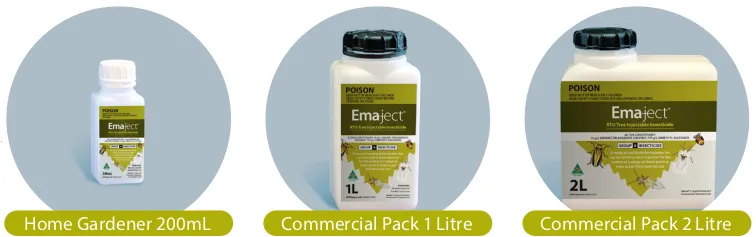
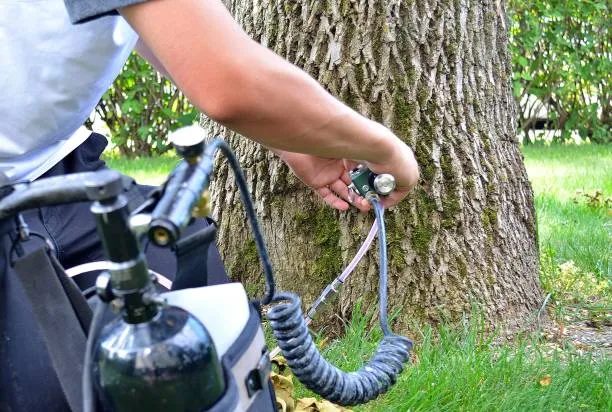
One of the most effective treatments for elm beetles is systemic insecticide injection. Arborists inject a specialized insecticide directly into the tree’s vascular system. The chemical circulates throughout the tree, reaching the leaves where beetles feed.
This method offers several advantages:
- Targeted action with minimal impact on beneficial insects
- Long-lasting protection (up to two seasons with some formulations)
- Reduced need for broad-spectrum spraying
It’s a precise treatment that requires professional knowledge and care to avoid harming the tree.
3. Canopy Spraying
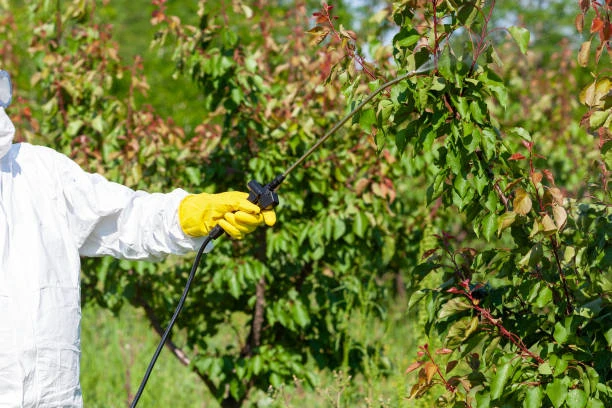
In cases where infestations are already widespread, arborists may recommend canopy spraying. This involves applying insecticides directly to the tree’s foliage to kill adult beetles and larvae.
While effective, spraying has some drawbacks:
- It may need to be repeated during the season
- There's a risk of affecting non-target insects if not properly managed
- Environmental conditions (such as wind) can limit its effectiveness
Therefore, canopy spraying is often used in conjunction with systemic injections or as a backup in large public tree management programs.
4. Cultural Practices and Tree Health Care
An essential aspect of elm preservation is ensuring that trees are healthy enough to withstand stress. Arborists often advise or carry out practices such as:
- Regular watering during dry periods
- Mulching to retain soil moisture and improve root health
- Proper pruning to maintain a balanced canopy
- Fertilization if the soil is nutrient-deficient
A strong, healthy elm is better able to recover from beetle damage and resist other diseases.
5. Biological Controls
Research into biological control agents, such as predatory insects and fungal pathogens that specifically target elm beetles, offers promising, eco-friendly alternatives. Some arborists incorporate these methods into their integrated pest management (IPM) programs.
While still developing, biological controls may become a vital part of sustainable elm preservation in the future.
Best Times for Elm Beetle Treatment
Timing is critical for effective elm beetle management. Arborists typically recommend treatment:
- In early spring, before adult beetles become active
- Mid-season, if beetle numbers are rising
- In late summer or autumn, to target overwintering adults preparing for the next generation
Consistent, well-timed treatments are essential to breaking the beetle’s life cycle and protecting the trees year after year.
The Importance of Professional Arborists
While DIY treatments exist, elm tree preservation is a job best left to professionals. Certified arborists bring:
- Deep knowledge of tree biology and pest behavior
- Safe, approved chemical application methods
- The ability to assess overall tree health and recommend holistic care
They also ensure compliance with local regulations regarding pesticide use and protect surrounding plants, wildlife, and human health.
In many cities, public elm trees are protected by law, and unauthorized treatments can result in fines or further damage. Working with a professional arborist ensures that elm conservation efforts are both effective and legally compliant.
Saving Elm Trees for Future Generations
Elm trees are part of our natural and cultural heritage. They provide shade, beauty, and ecological benefits such as improving air quality and supporting biodiversity. Preserving them against threats like the elm beetle is a collective responsibility.
Professional arborists, with their expertise in elm beetle treatment and tree preservation, are on the frontlines of this effort. Through careful monitoring, strategic treatments, and a commitment to overall tree health, they help ensure that these magnificent trees can be enjoyed by generations to come.
If you have elm trees on your property, early consultation with a certified arborist is the best step you can take. Proactive care today could mean the difference between a flourishing canopy and a heartbreaking loss tomorrow.

























Sign in to leave a comment.