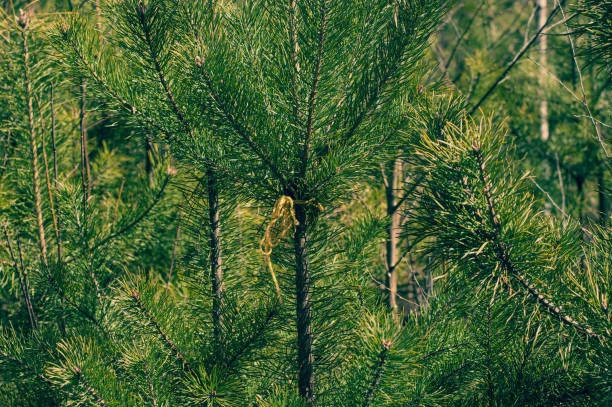

Seiridium canker is a devastating fungal disease that affects various coniferous trees, particularly Leyland cypress, junipers, and arborvitae. This disease can cause significant damage, leading to dieback, disfigurement, and even tree death if left untreated. Understanding its causes, recognizing early symptoms, and implementing effective treatments can help mitigate its impact and maintain the health of your trees.
What is Seiridium Canker?
Seiridium canker is caused by fungi from the Seiridium genus, particularly Seiridium unicorne. These fungi infect trees through wounds or natural openings, disrupting the tree’s vascular system and causing cankers that lead to severe dieback. It is a serious issue in urban and landscape settings where Leyland cypress and junipers are commonly used as windbreaks and privacy screens.
Causes of Seiridium Canker
The development of Seiridium canker is influenced by several environmental and physiological factors:
- Fungal Infection – The primary cause of Seiridium canker is fungal spores entering the tree through wounds, pruning cuts, insect damage, or natural bark fissures.
- Environmental Stress – Trees suffering from drought, poor soil conditions, or extreme temperatures are more vulnerable. Stress weakens the tree’s immune system, making it easier for the fungus to take hold.
- Overcrowding and Poor Air Circulation – Dense planting can create humid conditions that encourage fungal growth.
- Insect Activity – Boring insects or sap-feeding insects create wounds that serve as entry points for the fungus.
- Lack of Maintenance – Improper pruning, compacted soil, and failure to remove infected plant debris can contribute to the spread of Seiridium canker.
Symptoms of Seiridium Canker
Detecting Seiridium canker early can help in taking timely action to control its spread. Symptoms include:
- Twig and Branch Dieback – Affected trees exhibit scattered browning or yellowing branches, often starting at the tips and spreading inward.
- Cankers on Branches and Trunk – Dark, sunken, and resinous cankers form on branches and trunks, leading to girdling and the eventual death of the affected parts.
- Resin Exudation – Infected areas often ooze resin, which may appear as dark or amber-colored streaks along the bark.
- Wilting and Discoloration – Needles or foliage on affected branches turn yellow, brown, or reddish before falling off.
- Cracking Bark – As the disease progresses, the bark in infected areas may crack, exposing the underlying wood and worsening the damage.
Treatment Options for Seiridium Canker
While there is no complete Seiridium canker treatment, proactive management can help contain its spread and prolong the life of affected trees. Effective treatment involves cultural, chemical, and preventive strategies:
1. Pruning and Sanitation
- Remove Infected Branches – Use sterilized pruning tools to cut away diseased branches at least 6–8 inches below the visible symptoms.
- Disinfect Tools – Clean pruning tools with a solution of bleach (1 part bleach to 9 parts water) or rubbing alcohol between cuts to prevent fungal transmission.
- Dispose of Infected Material – Burn or properly dispose of pruned branches and fallen debris to prevent spore spread.
2. Fungicide Application
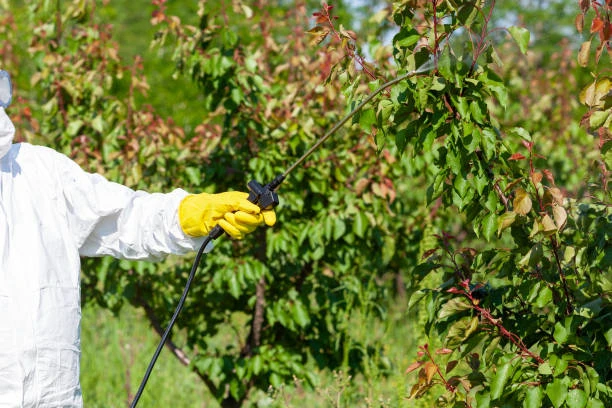
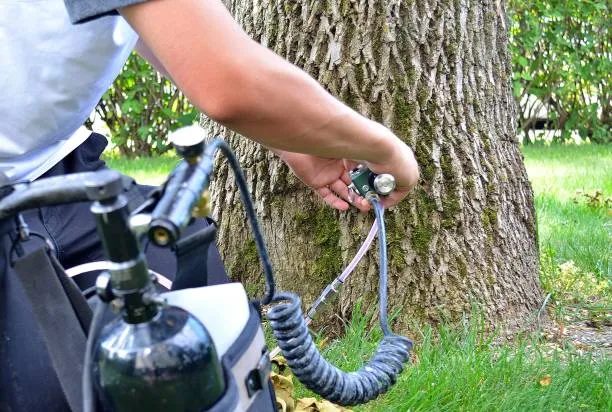
- While fungicides are not a complete cure, they can help protect uninfected parts of the tree.
- Apply copper-based or systemic fungicides labeled for Seiridium canker prevention.
- Repeat treatments during active growing seasons and after pruning to reduce reinfection risks.
3. Environmental and Cultural Control
- Improve Air Circulation – Avoid overcrowding trees and ensure proper spacing to reduce humidity.
- Maintain Soil Health – Provide deep watering during droughts and mulch around the base of trees to retain moisture without touching the trunk.
- Reduce Stress Factors – Apply balanced fertilizers to strengthen the tree’s immune response and avoid excessive pruning that may cause unnecessary wounds.
4. Monitoring and Prevention
- Regularly inspect trees for early signs of cankers and act promptly.
- Avoid mechanical injuries from lawnmowers, weed trimmers, or improper pruning.
- Choose resistant tree species when planning new landscape plantings.
When to Consider Tree Removal
In severe cases where more than 50% of the tree is affected, removal may be the best option to prevent further spread to surrounding trees. Consult an arborist for professional assessment before making a final decision.
Conclusion
Seiridium canker is a persistent and damaging disease, but with early detection, proper cultural care, and targeted treatments, its impact can be minimized. By maintaining tree health, implementing preventive measures, and promptly managing infections, you can protect your landscape trees from severe decline and loss. Regular monitoring and proactive intervention are key to ensuring the longevity of your trees in the face of Seiridium canker.




























Sign in to leave a comment.