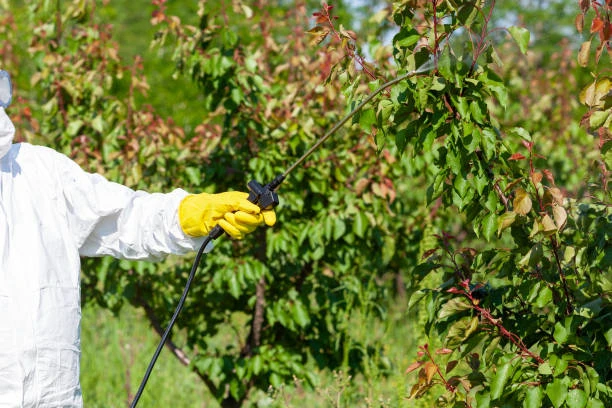

The Leyland cypress (Cupressus × leylandii) is a fast-growing evergreen tree popular for hedges and privacy screens. However, despite its resilience, it is susceptible to various diseases that can impact its health and appearance. Proper pruning and care techniques are crucial in preventing and managing diseases.
Common Leyland Cypress Diseases
Before diving into pruning and care techniques, it's essential to understand the common diseases that affect Leyland cypress trees.
1. Seiridium Canker
Seiridium canker, caused by the Seiridium fungus, leads to sunken, dark cankers on branches, needle browning, and twig dieback. The disease spreads through spores carried by wind, rain, or contaminated tools.
2. Botryosphaeria Canker
Similar to Seiridium canker, Botryosphaeria canker (Botryosphaeria dothidea) causes browning and dieback of branches. It thrives in trees under stress due to drought or poor soil conditions.
3. Cercospora Needle Blight
This fungal disease leads to browning and premature needle drop, reducing the tree’s aesthetic appeal. It typically starts on the lower branches and moves upward if left untreated.
4. Root Rot (Phytophthora)
A soil-borne pathogen, Phytophthora causes root decay, leading to yellowing, wilting, and eventual death of the tree. Poor drainage and overwatering contribute to the disease.
Pruning Techniques for Disease Management
Proper pruning is one of the most effective ways to manage and prevent disease in Leyland cypress trees. Here are some key techniques:
1. Sanitation Pruning
Removing infected branches helps prevent the spread of fungal pathogens.
- Identify affected branches by looking for browning, cankers, or needle drop.
- Cut at least 6–12 inches below visible symptoms.
- Sterilize pruning tools with a disinfectant (e.g., a 10% bleach solution) after each cut.
- Dispose of infected branches properly—do not leave them near healthy trees.
2. Thinning Pruning
Improving air circulation reduces humidity, which discourages fungal growth.
- Selectively remove interior branches to increase airflow.
- Focus on overcrowded areas to allow light penetration.
- Avoid excessive pruning, as it can stress the tree.
3. Crown Reduction Pruning
If the tree becomes too tall, selective pruning can manage its height without stressing it excessively.
- Use a gradual approach, removing no more than 1/3 of the tree’s height in a season.
- Avoid topping (cutting off the top abruptly), as it encourages weak growth and increases disease vulnerability.
4. Deadwood Removal
Removing dead branches improves the tree’s appearance and reduces disease risk.
- Cut dead or dying branches back to healthy tissue.
- Perform this pruning in dry weather to reduce fungal spread.
Care Techniques to Prevent Disease
While pruning is crucial, general care practices also play a significant role in maintaining Leyland cypress health.
1. Proper Watering Practices
- Leyland cypress trees require deep, infrequent watering rather than frequent shallow watering.
- Avoid overwatering, as it promotes root rot.
- Use drip irrigation or soaker hoses to minimize moisture on foliage.
2. Soil and Mulching
- Ensure well-drained soil to prevent root rot.
- Apply a 2–3-inch layer of mulch around the base (but not against the trunk) to retain moisture and regulate temperature.
- Avoid excessive mulch, as it can harbor fungal spores.
3. Fertilization
- Apply a balanced, slow-release fertilizer in spring to encourage healthy growth.
- Avoid excessive nitrogen, as it promotes weak, disease-prone growth.
- Conduct a soil test to determine nutrient needs.
4. Pest Management
- Monitor for pests like aphids and spider mites, which weaken trees and make them more susceptible to disease.
- Use insecticidal soap or neem oil as needed.
- Encourage beneficial insects like ladybugs to control pest populations.
5. Disease-Resistant Varieties
- If planting new Leyland cypress trees, consider disease-resistant cultivars.
- Mixing different species in a hedge can reduce the spread of infections.
6. Seasonal Maintenance
- Regularly inspect trees for early disease symptoms, especially in late spring and early fall when fungal diseases are most active.
- Remove leaf litter and debris to minimize fungal spores.
- Space trees adequately to allow for good air circulation and sunlight penetration.
When to Call a Professional
While homeowners can manage many pruning and care tasks, severe disease outbreaks may require professional assistance.
- If more than 30% of the tree is affected, consult an arborist.
- Licensed professionals can apply fungicides and advanced treatments that are not available to the public.
- If root rot is suspected, a professional can conduct soil assessments and recommend appropriate remediation.
Conclusion
Maintaining the health of Leyland cypress trees requires a proactive approach. By implementing proper pruning techniques and following essential care practices, you can minimize the risk of disease and ensure your trees remain vibrant and resilient. Regular inspections, strategic pruning, and proper watering go a long way in preserving the beauty and longevity of these popular evergreen trees.



























Sign in to leave a comment.