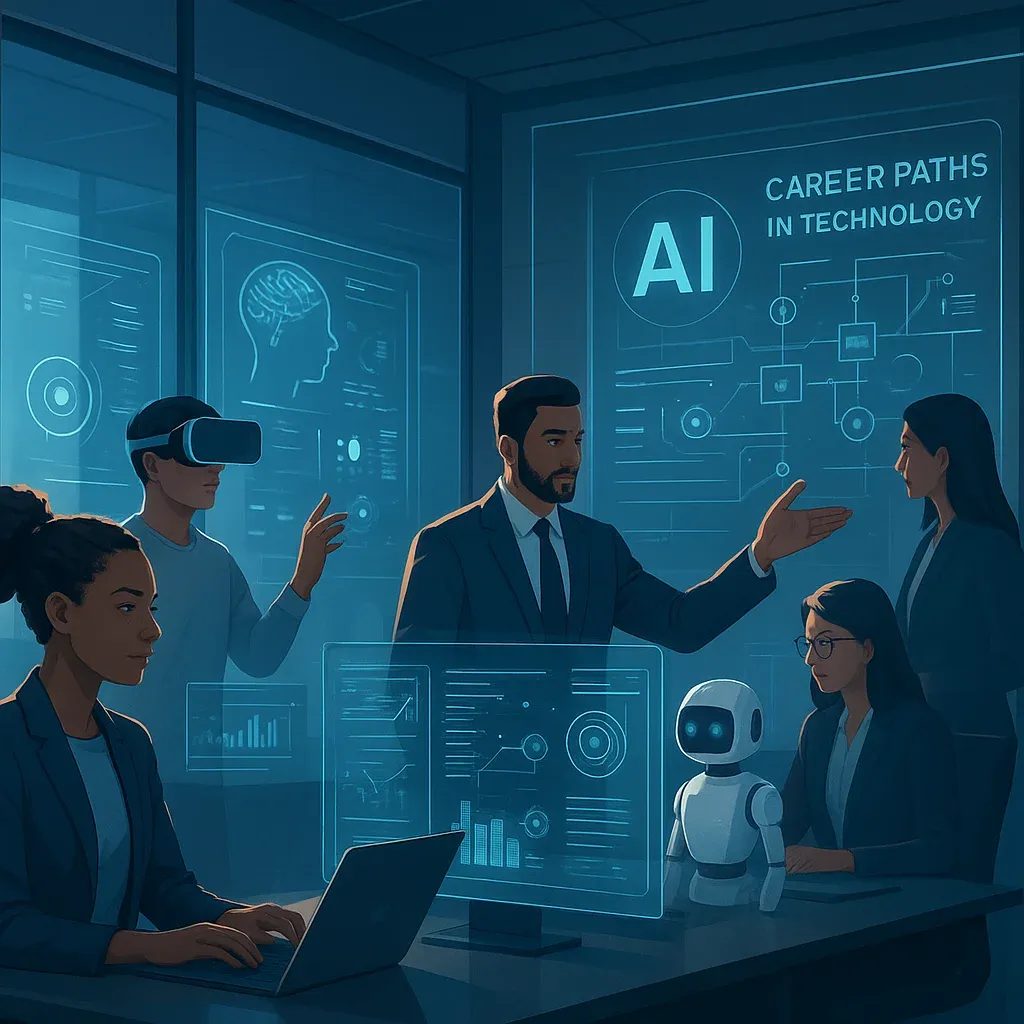

Starting Fresh: A New Chapter in Tech
In the bustling heart of Seattle's tech scene, where innovation meets opportunity, thousands are making a bold pivot into technology careers. The allure is understandable: tech roles promise not only competitive salaries but also the chance to shape the future. According to the U.S. Bureau of Labor Statistics, the technology sector is projected to grow by nearly 15% through 2028, outpacing many other industries. But shifting gears into this dynamic field isn’t a simple step—it requires deliberate strategy, resilience, and a clear roadmap.
Imagine Lisa, a 34-year-old marketing professional who pivoted into software development last year. Her journey wasn’t overnight; it was shaped by targeted upskilling, community engagement, and leveraging her past experience cleverly. Lisa’s story is one among many that underscore a critical insight: transitioning into tech today is as much about mindset as it is about skills.
For those standing at the crossroads wondering how to break into tech, this article offers a comprehensive guide. From understanding the evolving tech landscape in 2026 to actionable strategies and expert perspectives, here’s everything you need to navigate this transformative career journey.
How We Got Here: The Evolution of Career Transitions Into Tech
Career transitions into technology were once viewed as daunting leaps, reserved for those with formal computer science degrees or early exposure to coding. That narrative has changed dramatically over the last decade. Several factors have reshaped the route into tech careers:
- Democratization of Learning: The rise of online platforms like Coursera, Udemy, and local coding bootcamps has made tech education accessible to millions worldwide.
- Industry Demand: The rapid expansion of fields such as artificial intelligence, cybersecurity, and cloud computing has created diverse entry points.
- Changing Hiring Practices: Companies increasingly value skills and project experience over traditional credentials, a shift accelerated by the pandemic’s remote work surge.
- Community and Networking: Tech meetups, open-source projects, and mentorship programs now provide vital support systems for career changers.
Seattle, home to giants like Microsoft and Amazon, exemplifies this transformation. The city’s tech ecosystem thrives on inclusivity and continuous learning, enabling professionals from non-tech backgrounds to find their footing. These shifts have lowered barriers, but the journey still demands a nuanced approach.
Core Strategies for a Successful Transition
Breaking into tech requires more than enthusiasm—it demands a well-structured plan. Here are the top six strategies, backed by data and expert consensus, that can propel career changers forward:
- Identify a Clear Tech Role: The tech field is vast—software engineer, data analyst, UX designer, cybersecurity specialist, product manager, and more. Research roles aligning with your interests and transferable skills. According to LinkedIn's 2026 Workforce Report, roles in data science and cybersecurity saw a 20% increase in entry-level hiring.
- Commit to Continuous Learning: Upskilling is non-negotiable. Enroll in accredited programs, bootcamps, or online courses tailored to your chosen role. Seattle’s tech hubs offer workshops and bootcamps with partnerships from industry leaders.
- Build a Portfolio of Projects: Practical experience trumps theory. Create projects that showcase your abilities—whether a simple app, data visualizations, or design prototypes. GitHub remains a critical platform for developers to demonstrate their work.
- Leverage Transferable Skills: Soft skills like communication, problem-solving, and project management are valuable. Highlight these in resumes and interviews. For example, Lisa’s marketing background enhanced her ability to understand user needs in development.
- Network Strategically: Engage with tech communities both online and offline. Attend meetups, webinars, and conferences. Mentorship programs can provide tailored guidance and open doors.
- Consider a Tech Career Coach: Personalized coaching can accelerate your journey by offering tailored advice, accountability, and interview preparation. Studies show that coached candidates often land roles 30% faster.
"Upskilling is not just about learning tech skills; it's about evolving your mindset to embrace lifelong growth." — Sophia Williams
These strategies form a robust foundation. But how have developments in 2026 further shaped these approaches?
2026 Developments Influencing Tech Career Transitions
Recent trends have intensified the opportunities and challenges for aspiring tech professionals. Key developments include:
- AI-Driven Learning Platforms: Adaptive learning powered by AI now customizes courses based on individual strengths and weaknesses, boosting retention and practical application.
- Micro-Credentials and Nano-Degrees: Employers increasingly recognize short, focused certifications as valid proof of skill, reducing time-to-hire.
- Hybrid and Remote Roles: The normalization of remote work has expanded job access globally, allowing candidates beyond traditional tech hubs to compete.
- Emphasis on Diversity and Inclusion: Companies are actively recruiting career changers from diverse backgrounds to foster innovation and represent global users.
- Corporate Upskilling Partnerships: Firms like Amazon and Google offer sponsored training programs and apprenticeships for non-traditional candidates, creating direct pipelines into tech roles.
These shifts have lowered barriers but also raised expectations for self-directed learning and adaptability. The demand for soft skills combined with technical proficiency is stronger than ever.
"The future of tech hiring embraces flexibility and diversity, valuing varied experiences as assets rather than liabilities." — Industry HR Lead, Seattle Tech Consortium
Expert Insights and Industry Impact
Industry leaders emphasize a holistic approach to career transitions. For example, Seattle’s tech career coaches note the importance of mindset shifts alongside skill acquisition. According to a recent WriteUpCafe feature, coaching helps candidates refine their personal brand and navigate the competitive landscape more effectively (5 Ways a Tech Career Coach Can Help You Land High-Paying Tech Jobs).
Moreover, data from 2026 shows that candidates with project-based portfolios and active community engagement outperform those relying solely on formal education. Companies increasingly value demonstrable problem-solving abilities and cultural fit.
Seattle’s tech community also illustrates the impact of cross-sector collaboration. For instance, professionals from healthcare, finance, and education fields have transitioned successfully by leveraging domain expertise while acquiring tech skills. This synergy enriches product development and user experience.
Additionally, career coaches highlight the growing ROI of investing in career growth. Personalized support reduces job search duration and enhances salary outcomes, as detailed in another WriteUpCafe analysis (The ROI of Career Growth: Is Hiring a Tech Career Coach Worth It?).
Real-World Examples: Transitioning Into Tech
Consider the journey of Mark, a former financial analyst who transitioned into cybersecurity. Mark enrolled in a 12-week bootcamp, simultaneously building a portfolio of simulated threat detection projects. By networking at local cybersecurity meetups, he landed an apprenticeship at a Seattle-based startup. His financial background helped him understand risk assessment, making him an asset to his new team.
Similarly, Jasmine, a retired teacher, shifted into data analysis. She took advantage of micro-credentials in data visualization and machine learning, complementing her analytical skills honed over years of lesson planning and assessment. Her portfolio showcased projects analyzing educational datasets, which resonated well with employers.
These stories highlight key lessons: transferable skills matter, continuous learning is essential, and community connections can open critical doors.
For those interested in data-centric roles, the transition can be smoothed by targeted resources, as outlined in How to Transition Into a Data-Focused Job From Another Field. This piece offers tailored advice for leveraging existing expertise effectively.
Looking Ahead: What to Watch and Takeaways
The path into tech careers is evolving rapidly. As we move through 2026 and beyond, several trends will shape opportunities and strategies:
- Increased Role of AI in Hiring: AI-driven resume screening and interview simulations will require candidates to align skills precisely with job requirements.
- Growth of Interdisciplinary Roles: Tech roles blending domain knowledge with digital skills—such as health informatics or legal tech—will expand, creating niche opportunities.
- Greater Emphasis on Soft Skills: Communication, adaptability, and emotional intelligence will be decisive in career success.
- Expansion of Apprenticeships and Returnships: Programs aimed at career changers will grow, providing structured pathways into tech.
For career changers, the key is to remain proactive and flexible. Embracing a mindset of lifelong learning and leveraging resources like career coaching can dramatically shorten the transition timeline.
"Transitioning into tech isn’t just about changing jobs—it’s about transforming how you approach challenges and growth." — Sophia Williams
By harnessing the strategies outlined here, tapping into Seattle’s vibrant tech ecosystem, and utilizing expert resources, you can unlock new career horizons. For more insights on leveraging coaching for career advancement, explore 5 Ways a Tech Career Coach Can Help You Land High-Paying Tech Jobs and The ROI of Career Growth: Is Hiring a Tech Career Coach Worth It?.

























Sign in to leave a comment.